
Commercial Solar Installation Arizona: What Businesses Need
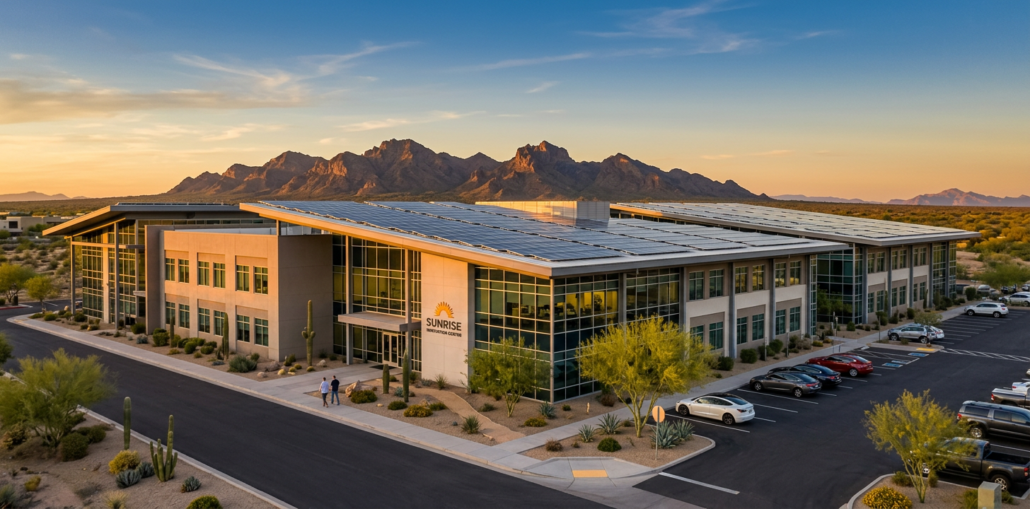
Commercial solar installation Arizona is no longer just a sustainability upgrade, it is a practical business decision for companies that want better control over operating costs. In a market where electricity prices, peak demand charges, and long-term reliability all matter, the right solar partner can help turn energy from a fixed expense into a strategic advantage.
For Arizona businesses, the real opportunity is not only lower utility bills. It is also protecting margins, improving facility performance, and choosing a solar company that shows up with the kind of professionalism your brand deserves. That is especially important for dealers, sales reps, and channel partners who need a trusted installer they can confidently represent.
Why Arizona Businesses Are Moving Toward Solar
Arizona is one of the strongest commercial solar markets in the country because of its abundant sunlight and high cooling loads. Retail centers, office buildings, hospitality properties, multifamily communities, schools, churches, and light industrial facilities all tend to benefit from solar because they use the most electricity during daylight hours.
Commercial property owners also like the predictability. Solar can help reduce exposure to volatile utility rates, and in many cases it supports better long-term budgeting. If your site has strong daytime usage, the value of solar can be even more compelling.
The business case is about more than savings
A well-designed system can improve operating resilience, strengthen ESG reporting, and create a cleaner story for tenants, clients, and investors. For channel partners, that story matters too. When you work with a reliable installer, you protect your reputation and increase referral potential.
What a Commercial Solar Project Typically Includes
A professional commercial solar installation Arizona project starts with site evaluation, utility analysis, and system design. From there, the right installer coordinates engineering, permitting, procurement, installation, and commissioning.
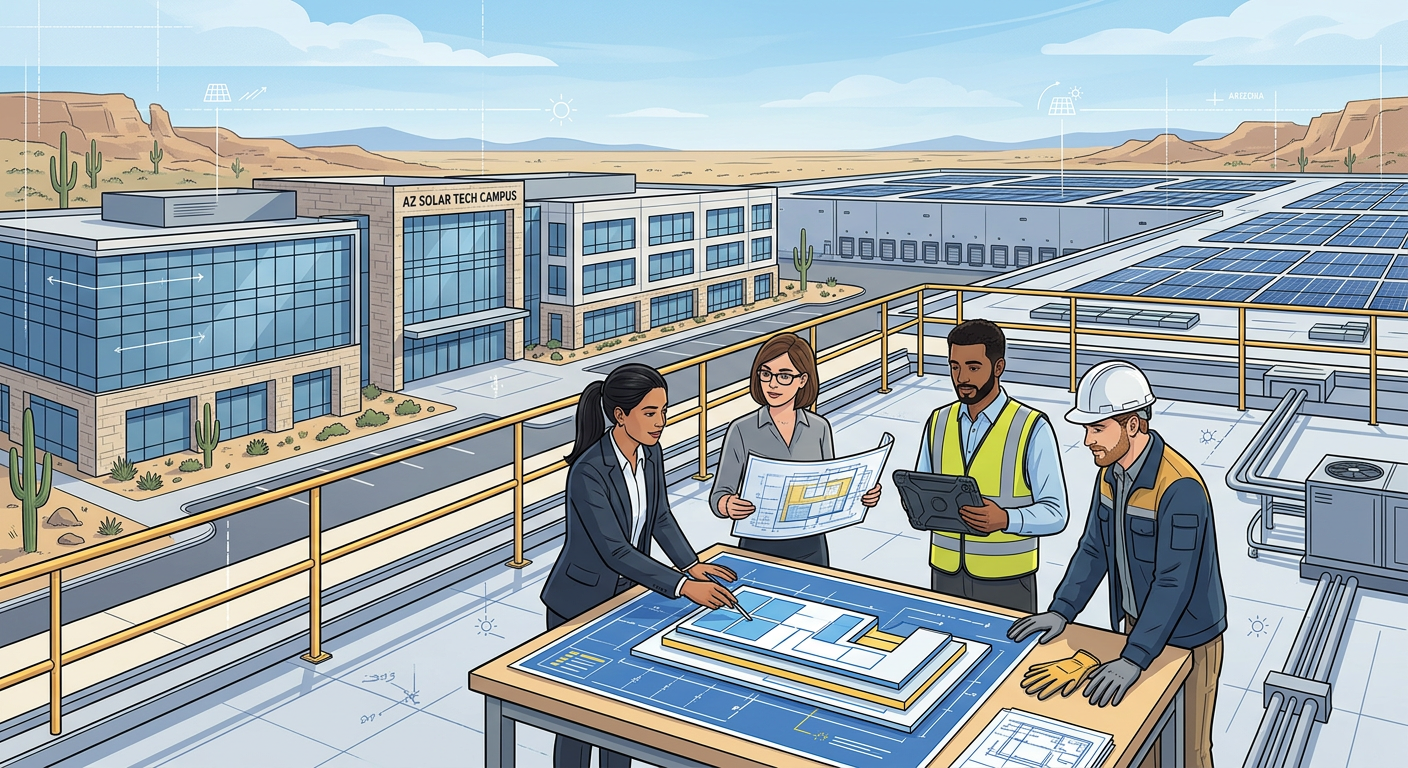
Rooftop, ground-mount, and battery options
Depending on the property, the project may include:
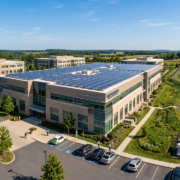
- Rooftop solar for warehouses, offices, and retail centers
- Ground-mount solar for larger land parcels or campuses
- Battery storage for backup power and demand management
- System upgrades or repairs for existing arrays
- Monitoring and maintenance for long-term performance
Battery storage is especially relevant for businesses that want more control during peak demand periods or need backup support for critical operations. If that sounds like your site, it is worth exploring battery storage solutions.
Why Installer Reputation Matters So Much
In commercial solar, quality is not just about the panels. It is about communication, scheduling, workmanship, and long-term support. A weak installer can create delays, change orders, permit issues, and unhappy property owners.
That is why reviews and reputation should be part of your decision from day one. Before you commit, look at customer feedback and install satisfaction to understand how a company handles real projects, not just sales promises.
What dealers and reps should look for
If you are a dealer or sales rep, the best partner is one that helps you close confidently and supports the customer after the sale. Independent Solar is built for that kind of relationship, with commercial-grade systems, transparent support, and a structured path for partners who want to Become a Solar Dealer.
How Commercial Solar Helps Different Property Types
Not every building benefits in exactly the same way, but the core idea is consistent. Solar helps offset energy use, stabilize costs, and improve the property’s long-term value proposition.
Retail and office
These properties often have strong daytime loads, which aligns well with solar production.
Hospitality and multifamily
These facilities benefit from predictable energy costs and can use solar to support operating margins.
Schools, churches, and nonprofits
These organizations often want lower overhead and a credible sustainability message.
Light industrial and warehouses
Large roof areas can support substantial system sizes and strong savings potential.
If you are evaluating a project, a commercial-focused partner like Independent Solar’s commercial team can help match the system design to your building and business goals.
Tax Credits, Financing, and ROI
Commercial solar economics are often improved by incentives and financing structures. The federal solar tax credit can play a major role in project payback, and businesses may also explore financing options that reduce upfront capital needs.
For a detailed overview, review the federal solar tax credit guidance and compare that with your utility costs, consumption profile, and available roof space. The right partner should be able to explain the numbers clearly, without pressure or confusion.
Why clarity matters for B2B buyers
Business owners do not want vague promises. They want a simple explanation of expected savings, maintenance needs, payback assumptions, and contract structure. The best solar partner makes those details easy to understand.
A Better Path for Dealers and Channel Partners
If you are building a solar sales career or expanding your dealer network, alignment matters. You need a company with a strong reputation, dependable installation quality, and a process that helps you keep your clients informed.
That is exactly why many professionals look for a partner they can trust long term. When you Become a Solar Dealer, you are not just signing up for a lead source, you are choosing a brand relationship you can stand behind.
FAQ
How long does a commercial solar installation take in Arizona?
Timelines vary by system size, permitting, utility review, and site complexity. Smaller projects may move faster, while larger commercial systems typically require more coordination.
What types of businesses benefit most from solar?
Retail, office, hospitality, multifamily, schools, churches, and industrial facilities often benefit the most, especially if they use substantial electricity during the day.
Is battery storage worth it for commercial properties?
It can be, especially if your business faces demand charges, outage risk, or peak-period pricing. Battery storage can improve resilience and energy control.
Why are reviews important when choosing a solar installer?
Reviews show how a company performs after the sale. They help you evaluate communication, reliability, and the overall client experience.
Can dealers work with Independent Solar?
Yes. If you want a professional partner for commercial solar opportunities, you can Become a Solar Dealer and explore a structured partnership path.
How do I know if my building is a fit for solar?
A site assessment is the best starting point. Roof condition, utility usage, shading, and available space all affect whether solar is a strong fit.
Ready to Explore a Better Solar Partner?
If you are a business owner, dealer, or sales rep, the next step is simple. Start with a company that values installation quality, long-term reliability, and clear communication. Review the customer experience, then take the next step to Become a Solar Dealer or contact the team for a commercial evaluation.
Commercial solar installation Arizona should feel like a smart business move, not a gamble. When you choose the right partner, you get more than panels on a roof, you get a stronger energy strategy for the years ahead.


 Arizona:
