
Reliable Commercial Solar Partners: Built for Dealer Confidence
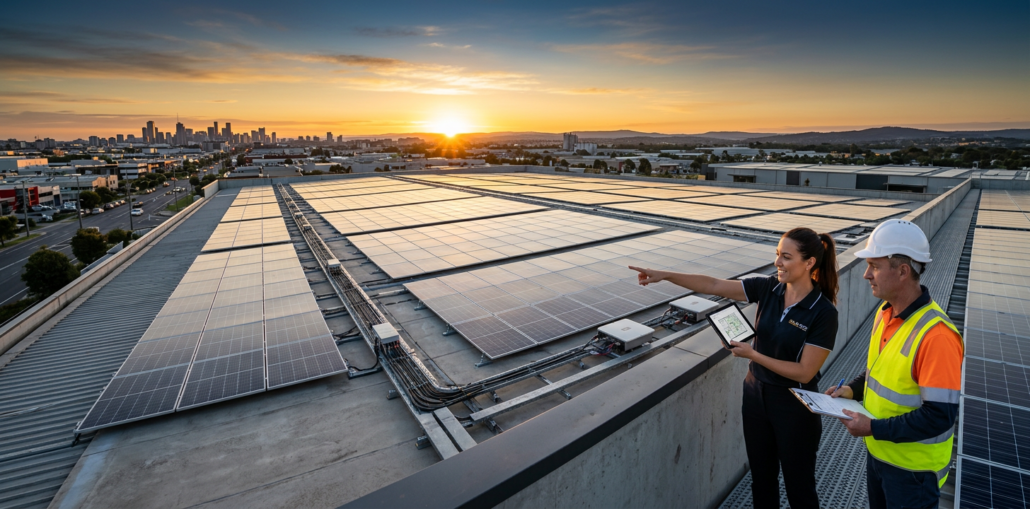
A commercial solar opportunity can look great in a proposal and still become a reputation problem if the installation partner misses deadlines, communicates poorly, or disappears after commissioning. For dealers, sales reps, and business owners, the real product is not only the equipment. It is the confidence that the project will be designed, installed, supported, and monitored with the professionalism your client expects.
That is why reliable commercial solar partners matter so much. We believe the strongest solar sales partnerships are built around clear scope, responsive communication, practical financial guidance, quality field execution, and support that continues after the system goes live. This is especially important for commercial properties across Arizona, Nevada, and Texas, where electricity costs, intense heat, utility requirements, and operational uptime all deserve serious attention.
What A Dependable Commercial Solar Partner Delivers
| What to evaluate | What good looks like | Why dealers benefit | Why businesses benefit |
|---|---|---|---|
| Project design | Site-specific modeling | Fewer oversold expectations | Better production fit |
| Installation | Experienced field crews | Brand protection | Safer, cleaner delivery |
| Communication | Clear milestones | Easier client updates | Less operational friction |
| Post-install support | Monitoring and service plan | Stronger referrals | Long-term asset value |
| Financial guidance | Transparent assumptions | More credible proposals | Better decision-making |
Commercial solar is rarely a simple equipment transaction. A retail center may have tenant load variability. A school may need work completed around its academic calendar. A light industrial facility may face demand charges that make battery storage worth evaluating alongside solar. A reliable partner asks these questions early, instead of forcing every facility into the same system design.
The performance case is also a long-game conversation. The National Renewable Energy Laboratory reviewed data from nearly 2,500 commercial and utility-scale sites and found a median performance loss of 0.75% per year. That is a useful reminder that design quality, monitoring, and maintenance are not minor details. They are part of protecting projected energy value over the life of the asset. Read the National Renewable Energy Laboratory findings
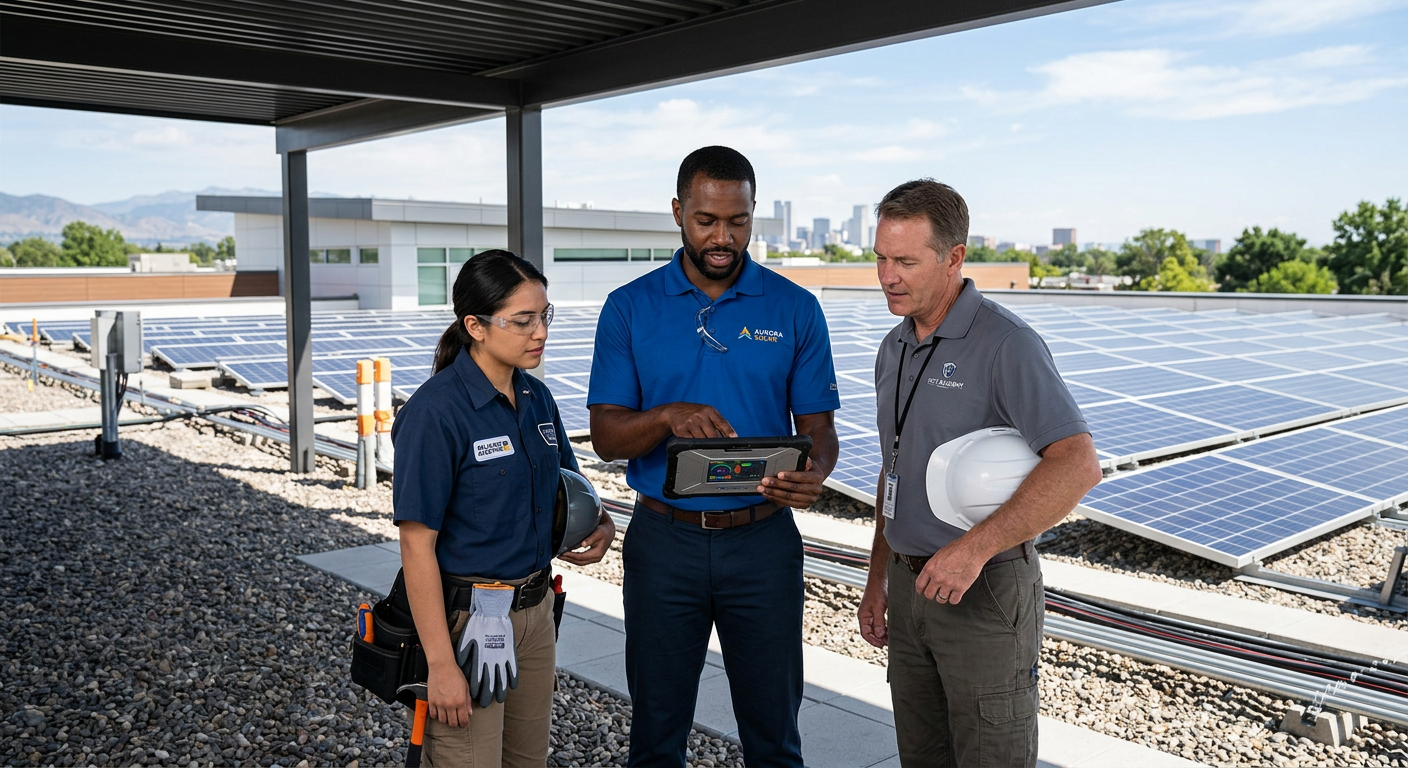
Five Signs You Have Found The Right Solar Installation Partner
The Proposal Is Based On The Site, Not A Generic Template
We start with the realities of the property: available roof or land area, structural conditions, electrical infrastructure, annual interval data when available, utility tariff structure, shading, future load growth, and business operating hours. A trustworthy commercial solar installer should explain what the system is designed to offset, what it cannot offset, and which assumptions affect projected savings.
For example, a business with high afternoon peaks may need a different conversation than one with consistent daytime consumption. Solar can reduce energy purchases, while storage may help manage peak demand or provide selected backup capability. The right answer comes from the load profile, not a sales script.
Communication Has Owners, Dates, And Clear Next Steps
Vague updates create friction between the dealer, the client, and the installer. Strong partners provide a defined project path that covers site assessment, engineering, permitting, utility coordination, procurement, installation, commissioning, and service handoff.
For dealer partners, that structure protects your relationship with the customer. You should know who is responsible for each phase, how changes are communicated, and when you can confidently update a property owner or CFO. When you apply to become a solar dealer, that operational clarity should be a central part of the conversation.
The Company Discusses Service Before There Is A Problem
A commercial array is an operating energy asset, not a set-it-and-forget-it purchase. Monitoring, inspection routines, inverter troubleshooting, warranty coordination, and response expectations should be discussed before contracts are signed.
The U.S. Department of Energy notes that regular operations and maintenance helps photovoltaic systems meet production targets while reducing risks associated with issues such as soiling, micro-cracking, and corrosion. Explore the Department of Energy’s solar operations and maintenance resources
Reputation Is Easy To Review, Not Hard To Verify
Commercial buyers are putting their building, capital plan, and public reputation on the line. They should be able to find authentic customer feedback, understand the company’s service approach, and ask direct questions about past project experience.
We encourage partners and property owners to review customer feedback and installation experiences before making a decision. Social proof does not replace proper due diligence, but it can reveal whether a company communicates well, stands behind its work, and earns confidence after the sale.
The Partner Can Support More Than One Solar Conversation
The best projects may involve rooftop solar, ground-mount systems, battery storage, electrical upgrades, repairs, or phased deployment. A partner with commercial depth can help clients assess the next practical move instead of treating every opportunity as a single, isolated install.
For businesses evaluating resilience and demand management, it is worth discussing commercial solar and battery storage options early. Storage is not automatically the best fit, but it can add value when the facility has critical loads, high peak demand, or a defined need for backup power.
Why Dealer Partners Need Reliability More Than Low Prices
Here is the thing: a low price does not protect a dealer’s reputation when a commercial project stalls. The customer remembers who made the recommendation. If engineering changes arrive late, installation quality falls short, or the system lacks support after activation, the dealer absorbs part of the trust damage.
We believe a better dealer relationship includes honest qualification, realistic project economics, transparent commissions, technical access, and a delivery team that treats the dealer as a professional partner. That helps sales reps spend less time chasing updates and more time building a durable pipeline of commercial opportunities.
This approach is valuable across many property types:
- Retail and office properties need predictable project communication that respects tenants and daily operations.
- Hospitality facilities benefit from plans that minimize disruption and consider high-use periods.
- Multifamily communities and HOAs need clear stakeholder communication, long-term service confidence, and practical savings expectations.
- Churches and schools often need thoughtful scheduling, financial education, and durable infrastructure planning.
- Light industrial facilities may need detailed review of energy consumption, demand charges, and electrical capacity.
For property owners, the federal investment tax credit can remain an important part of the financial analysis when eligibility requirements are met. However, tax treatment depends on the project structure and the organization’s circumstances, so clients should review assumptions with qualified tax and legal advisers. Our federal solar tax credit guidance can help frame the questions that belong in an early project discussion.
How We Help Partners Sell With Confidence
At Independent Solar, we focus on commercial-grade solar installations, battery storage, service support, and dealer relationships that are built for the long haul. We work to give our partners accurate information, a professional delivery process, and a team they can confidently introduce to business clients.
That does not mean every lead is an ideal fit. It means we would rather qualify an opportunity honestly than promise a result the site, utility structure, or budget cannot support. In commercial solar, that discipline is one of the strongest forms of reputation management.
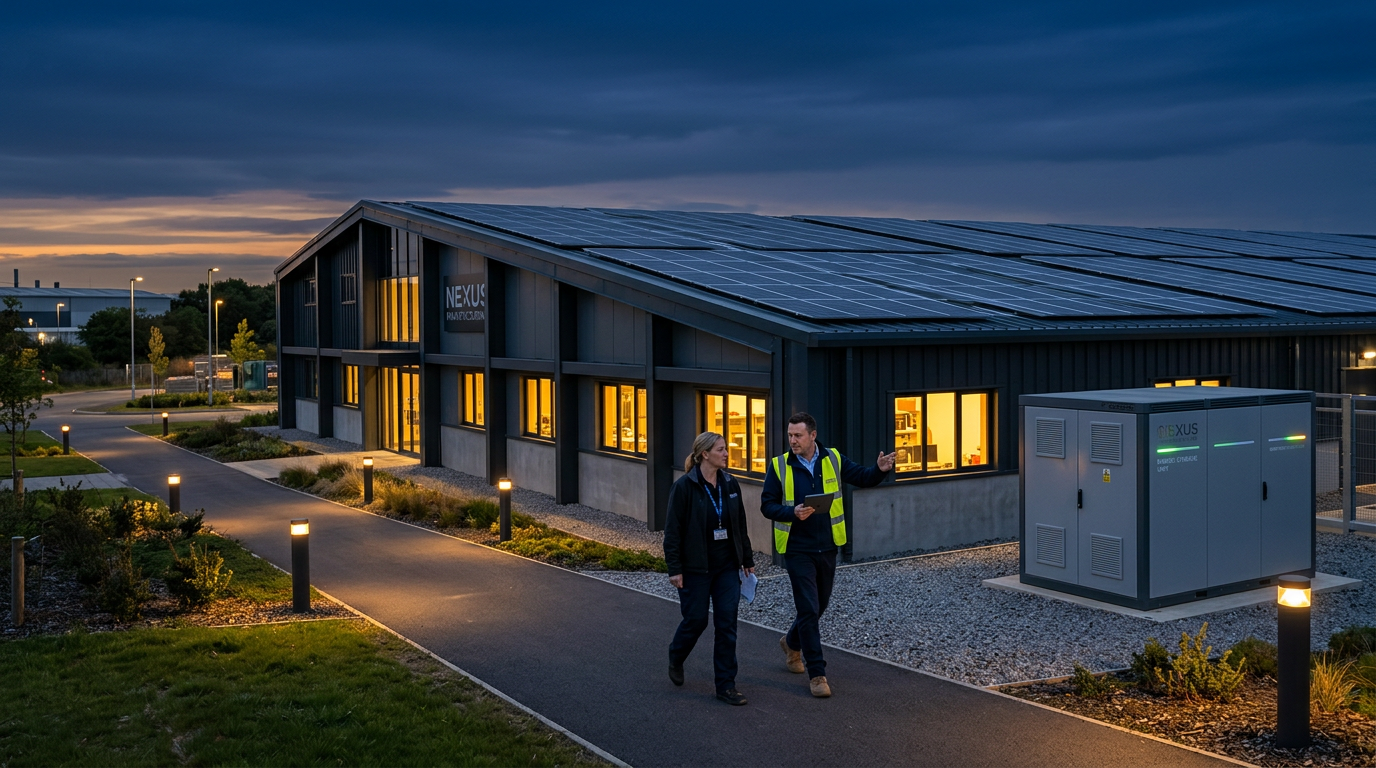
Questions Dealers And Business Owners Ask Most Often
What makes a commercial solar partner reliable?
Reliability comes from consistent execution across design, permitting, installation, commissioning, communication, monitoring, and service. Look for clear documentation, accountable project management, commercial experience, and a straightforward process for addressing issues after installation.
Should dealers sell solar-only systems or solar plus storage?
The answer depends on the client’s load profile, utility rate structure, resilience needs, and budget. Solar-only may be the right fit for many properties, while battery storage can be valuable for peak management, selected backup loads, and operational flexibility.
How can a dealer protect their reputation during a project?
Set expectations early, share only supportable production and savings assumptions, and work with an installer that provides visible project milestones. It also helps to choose a partner with transparent communication and accessible post-install service.
What should a commercial customer ask before signing?
Ask about projected production, system scope, roof or site requirements, utility coordination, permitting responsibilities, warranty coverage, monitoring, maintenance, timeline assumptions, change-order process, and who handles service after commissioning.
Can commercial solar work for properties with complex electricity bills?
Yes, but those properties need a careful analysis. Interval usage data, tariff details, operating schedules, and demand charges may materially affect the value proposition and whether storage should be considered.
How do we begin a solar sales partnership with Independent Solar?
The simplest next step is to submit a dealer application. We can discuss your market, commercial lead flow, ideal client profile, support needs, and how our team can help you represent solar with confidence.
Build A Stronger Commercial Solar Partnership
If you are a dealer, sales representative, or channel partner looking for a company you can represent professionally, we invite you to become a solar dealer with Independent Solar. We offer transparent communication, commercial-grade project support, and a partnership model designed to help you protect the client relationship you worked hard to earn.
For commercial property owners, we can help you assess whether solar, storage, system upgrades, or a phased strategy best matches your operational and financial goals. A productive first conversation should leave you with more clarity, not more pressure.
The Bottom Line
Reliable commercial solar partners do more than install panels. They help dealers preserve trust, help businesses make better capital decisions, and help energy assets perform with a real plan for the years ahead.
When you evaluate a solar company, look beyond the proposal price. Choose the team that can explain the assumptions, manage the work, support the system, and represent your business well from the first site visit through ongoing operations.



 Arizona:
