
Commercial Solar Installation Problems: Prevent Delays and Rework
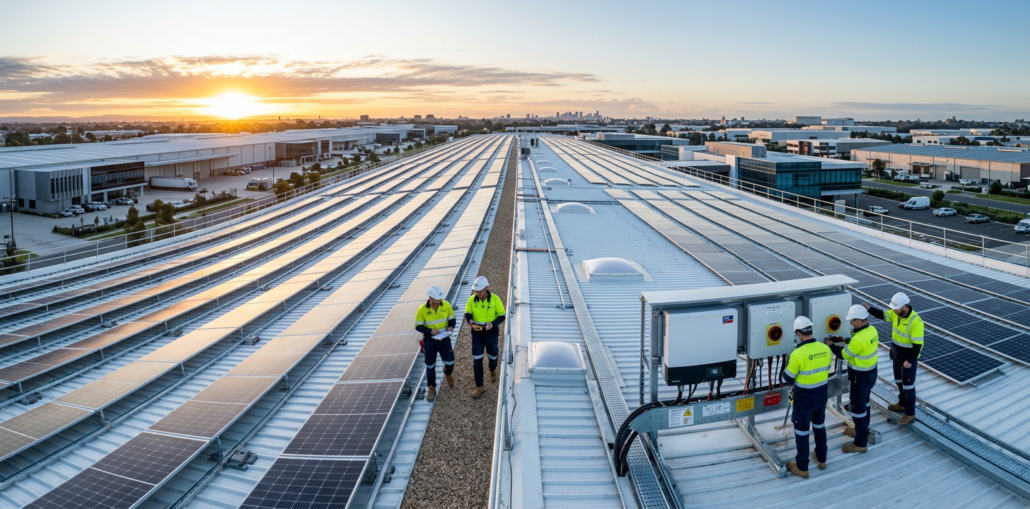
A commercial solar project can look straightforward in a proposal, then become far more complicated once roof conditions, electrical constraints, utility requirements, and construction schedules enter the picture. The costly mistakes rarely come from a single bad decision. More often, they come from small assumptions that were never tested early enough.
That is why commercial solar installation problems deserve attention before contracts are signed and crews arrive onsite. For property owners, the goal is reliable production and a predictable project timeline. For dealers and sales reps, the goal is equally important: represent a capable installation partner that protects the relationship you worked hard to build.
Where Commercial Solar Projects Commonly Go Off Track
| Problem area | What goes wrong | Business impact | Practical safeguard |
|---|---|---|---|
| Site assessment | Roof or electrical limits missed | Change orders, delays | Detailed field verification |
| System design | Production model ignores load profile | Weak savings and ROI | Interval-data analysis |
| Permitting and utility | Requirements addressed late | Stalled construction | Early utility coordination |
| Installation quality | Plan set not followed | Rework and safety risks | Documented quality checks |
| Commissioning | Testing rushed at handoff | Hidden performance issues | Acceptance checklist and monitoring |
The good news is that these risks are manageable. A National Renewable Energy Laboratory review of 100,000 U.S. photovoltaic systems found that 80% to 90% performed within 10% of predicted annual generation, while also emphasizing that installation quality remains critical to outcomes. National Renewable Energy Laboratory
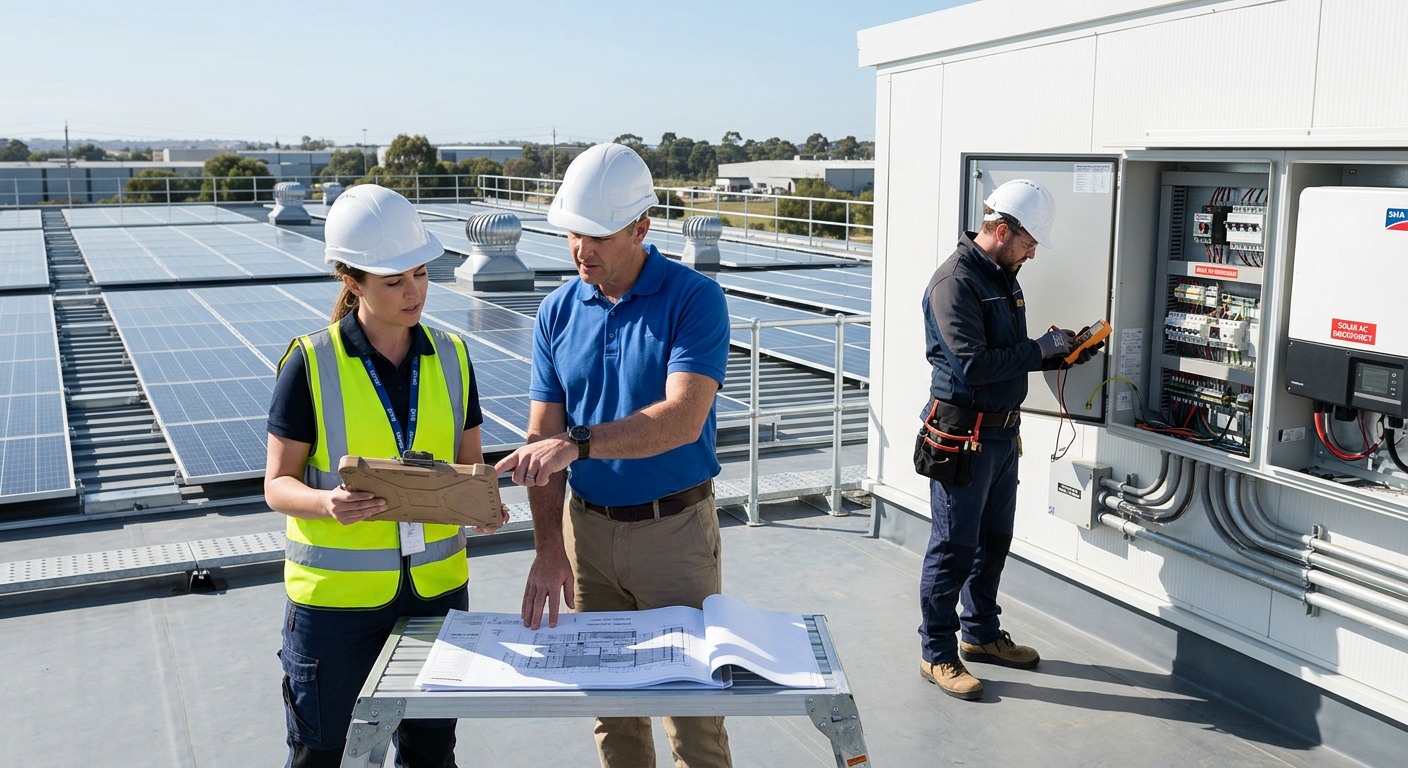
The Most Expensive Problems Begin Before Installation
Incomplete Roof and Structural Due Diligence
A roof is not simply a place to mount panels. Its remaining service life, drainage patterns, penetrations, attachment locations, access pathways, wind exposure, and structural capacity all influence whether the project can be installed as designed.
When a contractor relies on incomplete drawings or skips a serious field review, the project can run into unexpected reinforcement work, roof repairs, layout changes, or reduced system size. That is frustrating for property owners, but it also puts dealers in the difficult position of explaining a change they did not cause.
We recommend treating the roof assessment as a business-risk review, not a box to check. A strong solar partner verifies conditions before final engineering and clearly explains any limitations that could affect cost, timeline, or long-term serviceability.
Electrical Infrastructure That Cannot Support the Original Plan
Older commercial properties can have undersized switchgear, limited breaker capacity, outdated panels, or service configurations that complicate solar interconnection. A proposed array may fit physically on the roof yet still require electrical upgrades before it can operate safely and reliably.
This is where preliminary site photos are not enough. Load studies, electrical one-lines, service ratings, meter configuration, and available interconnection capacity need careful review. The Department of Energy's photovoltaic installation guidance stresses documentation, commissioning tests, and inspections for commercial-scale systems.
A Design That Does Not Match the Building's Energy Use
Commercial solar is not just a panel-count exercise. A retail center, school, church, hotel, warehouse, and multifamily property can each have very different hourly energy patterns, demand charges, seasonal loads, and operating priorities.
If the system is designed around annual consumption alone, it may not deliver the expected financial value. We look at how and when the facility uses energy, then align the system size with practical utility economics, export rules, future expansion plans, and potential battery storage needs. That approach makes the proposal more defensible when a CFO, property board, or ownership group asks hard questions.
Permitting and Utility Delays Are Often Communication Problems
Permits, inspections, and permission to operate are unavoidable parts of commercial solar construction. The real issue is not that these steps exist. The issue is when nobody owns the timeline, follows up consistently, or updates the customer and dealer when requirements change.
Utilities and local authorities can have different documentation, protection-setting, meter, labeling, and inspection requirements. The National Renewable Energy Laboratory notes that permitting, inspection, and interconnection timelines vary widely, which is why early coordination matters.
What Reliable Project Communication Looks Like
A trustworthy installer should provide clear milestones from site review through utility approval. That includes realistic expectations around engineering, procurement, construction, inspection, and activation, along with early notice when a schedule issue appears.
For dealer partners, transparency is a reputation tool. When your customer receives direct answers instead of vague reassurances, you remain the trusted advisor instead of becoming the messenger for avoidable surprises. If you are evaluating a long-term partner, our commercial solar dealer program guide outlines why operational support matters as much as selling ability.
Installation Quality Problems Can Follow a Project for Years
A commercial system has to perform through intense sun, wind, heat, weather events, and daily electrical cycling. Poor workmanship may not always create an immediate shutdown, but it can lead to premature service calls, water-intrusion concerns, safety risks, lower production, and unhappy stakeholders.
Common quality concerns include incorrect attachments, poor wire management, improper conductor protection, inconsistent labeling, loose terminations, equipment installed without enough service access, and deviations from approved plans. These issues are why quality control should happen throughout construction, not only at the final walkthrough.
Commissioning Is the Moment of Truth
Commissioning confirms that the built system matches the approved design and operates as intended. It should include electrical testing, equipment verification, monitoring setup, safety checks, documentation review, and a clear handoff of warranties and operating information.
Here is the thing: a system can be energized without being fully ready for acceptance. National Renewable Energy Laboratory operations guidance recommends robust documentation and even recognizes the value of third-party verification to catch construction or operational issues before final acceptance. NREL operations and maintenance guidance
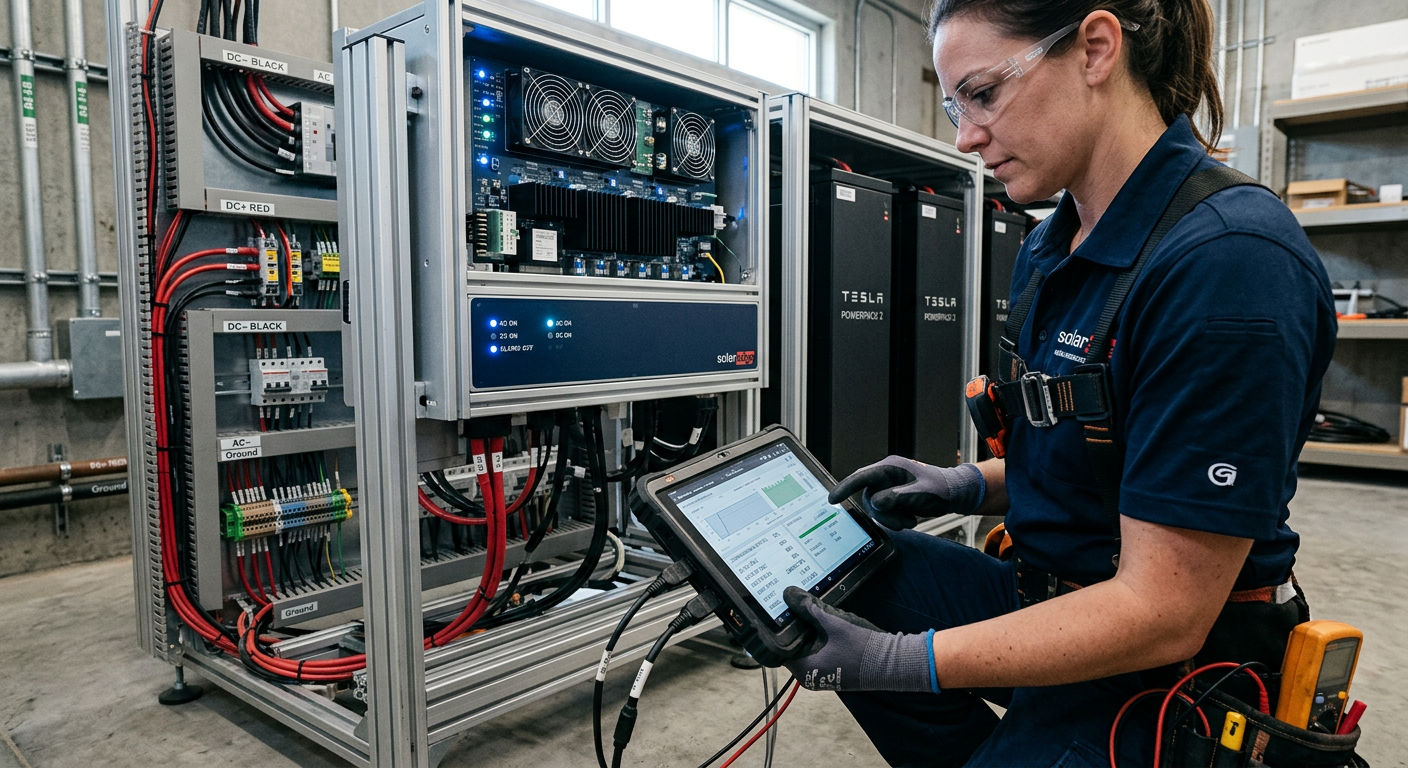
Battery Storage Adds Value, but It Also Adds Design Decisions
Battery storage for business can help facilities manage demand peaks, support critical loads, improve resilience, and use onsite solar energy more strategically. But storage should not be added because it sounds impressive in a sales conversation. It must fit the facility's load profile, tariff structure, backup priorities, space constraints, and operating goals.
For example, a hotel may prioritize critical-load continuity, while a light-industrial facility may focus on demand-charge management. A poor storage recommendation can inflate project cost without solving the customer's real problem. A disciplined design process identifies the value case before equipment is selected.
For dealers, this is a major differentiator. You do not need to pretend every opportunity requires storage. You need an installation partner that can explain when batteries make sense, when solar-only is the stronger investment, and what questions to ask before making a recommendation.
How We Help Dealers Protect Their Reputation
Every sales representative eventually faces the same concern: what happens after the agreement is signed? The answer determines whether customers provide referrals, leave positive feedback, and trust you with future projects.
At Independent Solar, we believe dealers deserve a partner that supports commercial-grade design, clear project communication, installation accountability, system upgrades, maintenance, and long-term service. Our dealer support model is built for sales professionals who want to present a credible solar solution without carrying construction risk alone.
Reputation is not built by promising that nothing will ever need attention. It is built by responding professionally when questions arise, documenting decisions, and standing behind the work. You can review real customer experiences and satisfaction feedback on our Independent Solar reviews page.
If you want to become a solar dealer with a team that understands the stakes of your client relationships, submit an Independent Solar dealer application. We work with partners who value professionalism, honest expectations, and projects they can confidently put their name behind.
A Pre-Construction Checklist for Property Owners and Dealers
Before finalizing a commercial solar agreement, we recommend confirming these essentials:
- Roof age, condition, warranty status, drainage, and structural capacity
- Current utility bills, interval data when available, demand charges, and rate structure
- Electrical service rating, available capacity, and required upgrades
- Utility interconnection process, anticipated approval sequence, and export limitations
- Approved site layout, access routes, equipment locations, and shutdown requirements
- Estimated production assumptions, shading analysis, and realistic financial model
- Commissioning scope, monitoring access, warranty responsibilities, and maintenance plan
- Named point of contact for project updates and issue resolution
This list is not designed to slow a sale down. It is designed to make the sale more durable. The strongest commercial opportunities are the ones where the customer understands what will happen next, why each step matters, and who will remain accountable after activation.
Frequently Asked Questions
What is the most common commercial solar installation problem?
Incomplete site assessment is one of the most common root causes. Roof condition, structural needs, electrical capacity, and utility requirements can all trigger delays or scope changes when they are discovered too late.
Can a commercial solar project be installed on an older building?
Often, yes. The key is a detailed review of roof condition, structural capacity, electrical infrastructure, and future building plans. Sometimes an upgrade or roof replacement should be coordinated before solar construction begins.
Why does commercial solar permitting take so long?
Timelines depend on local authority requirements, utility interconnection rules, engineering completeness, inspection availability, and whether the application needs revisions. Clear documentation and proactive follow-up help reduce avoidable delays.
How do we know if a solar production estimate is realistic?
Ask how the estimate accounts for shading, orientation, weather assumptions, equipment losses, degradation, curtailment risk, and the facility's utility structure. A responsible partner explains the assumptions instead of presenting a single number without context.
Does battery storage make sense for every business?
No. Storage is most valuable when it addresses a defined need, such as peak-demand reduction, critical-load backup, rate optimization, or stronger onsite energy management. A load and tariff analysis should come before any recommendation.
How can a dealer avoid damage to their reputation on a solar project?
Choose a partner with documented processes, responsive communication, quality installation practices, and ongoing support. Dealers should also set accurate customer expectations, communicate scope clearly, and stay engaged through commissioning.
Build a More Dependable Solar Partnership
If you are ready to become a solar dealer, we invite you to partner with a team focused on dependable execution, transparent support, and commercial opportunities you can represent with confidence. Apply to Independent Solar to discuss dealer support, project fit, and the next steps for your market.
We work with sales reps and channel partners who want more than a quick transaction. Together, we can help businesses make practical energy decisions while protecting the trust that drives repeat business and referrals.
The Bottom Line
Commercial solar installation problems are not inevitable, but they do require disciplined planning, accurate engineering, transparent communication, and serious quality control. When those pieces work together, solar becomes what it should be: a long-term business asset with understandable risks and measurable value.
For property owners, that means fewer surprises and a stronger operating plan. For dealers and sales professionals, it means being able to stand behind the company, the installation, and the customer experience long after the panels are online.




 Arizona: