
Commercial Solar Dealer Program Arizona: Partner With Confidence

Every commercial solar deal puts more than revenue on the line. It puts your client relationship, referral network, and professional reputation in front of a decision-maker who expects clear answers about construction, savings, financing, and long-term support.
That is why a commercial solar dealer program Arizona strategy should start with the installation partner, not the sales pitch. When we align with a capable commercial installer, we can lead better conversations, set realistic expectations, and give facility owners confidence that the work will be handled professionally after the agreement is signed.
What A Strong Dealer Partnership Should Deliver
Commercial solar is not a simple product handoff. Retail centers, office buildings, churches, schools, multifamily properties, hospitality sites, and light industrial facilities all have different load profiles, roof conditions, ownership structures, and financial priorities.
| Partnership Need | Why It Matters | What Good Support Looks Like |
|---|---|---|
| Commercial expertise | Larger projects have more variables | Site analysis and practical system design |
| Clear communication | Clients need timely answers | Defined project updates and responsive support |
| Financial guidance | Economics drive approval | Incentive and financing conversations |
| Installation quality | Your reputation follows the build | Professional crews and accountable execution |
| Long-term service | Solar is a multi-decade asset | Maintenance, repairs, and system upgrades |
For dealers and sales representatives, the value is straightforward. You can focus on building relationships and qualifying opportunities while a dependable technical team supports system design, construction coordination, battery storage options, and post-install needs.
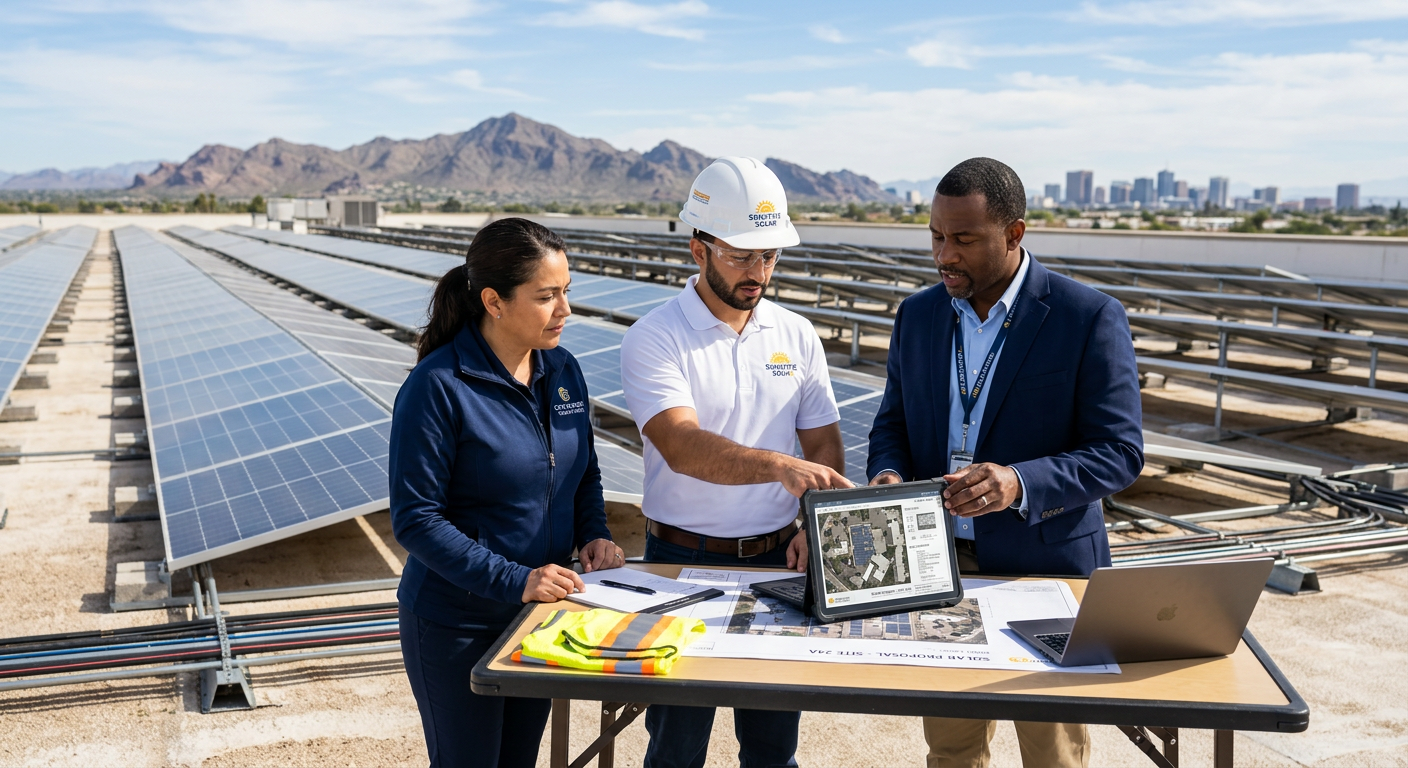
Why Commercial Solar Dealer Program Arizona Opportunities Matter
Arizona businesses often face substantial cooling loads and concentrated daytime energy use. That makes solar a practical conversation for properties that consume significant electricity when the sun is strongest, especially when the system is designed around the facility’s actual usage rather than a generic production estimate.
The opportunity is not limited to reducing utility purchases. Commercial buyers may also be looking for more predictable energy costs, a stronger sustainability story, better resilience planning, or a way to improve the economics of a capital project. For some sites, battery storage can add value by supporting demand-management strategies and keeping critical loads operating during an outage.
The national market supports the need for knowledgeable partners. The Solar Energy Industries Association reported that commercial solar grew 6 percent year over year in 2025, even as market conditions varied significantly by region and project type. That growth reinforces an important point for sales teams, commercial buyers still need specialists who can translate technical options into a credible business case. Solar Energy Industries Association
Sell The Business Case, Not Just The Equipment
We should avoid promising a universal payback period or a fixed utility-bill reduction before a site evaluation. A better approach is to build a proposal around interval data when available, demand charges, shading, roof condition, utility rate structure, financing terms, and the customer’s tax position.
The National Renewable Energy Laboratory’s System Advisor Model evaluates commercial projects using measures such as after-tax cash flow, net present value, levelized cost of energy, and payback period. Those are the right kinds of metrics for a CFO, property owner, or operations leader because they connect solar production to business outcomes. National Renewable Energy Laboratory
The Dealer Advantage: Protecting Your Reputation After The Sale
Here’s the thing, the sales conversation may win the project, but the installation experience determines whether the client recommends you. Missed updates, unclear scope, poor workmanship, or unanswered service questions can damage a dealer’s standing long after commissions have been paid.
That is why we encourage prospective partners to evaluate customer feedback before they choose an installer to represent. Reviewing real experiences helps you assess communication, workmanship, project satisfaction, and whether a company is likely to support the relationship you worked hard to build. Explore customer reviews and installation feedback before placing your reputation behind any solar partner.
Independent Solar is built for dealers who want commercial-grade execution, transparent communication, and long-term support for the customers they bring in. That includes rooftop and ground-mount solar, system upgrades, maintenance, repairs, battery storage planning, and help navigating financing and incentive discussions.
What To Ask Before You Represent Any Installer
A polished presentation is not enough. We recommend asking direct questions that reveal how the installer operates once a project is under contract:
- Who performs the site assessment, engineering coordination, and construction management?
- How are scope changes and client questions handled during the project?
- What support is available for maintenance, troubleshooting, and upgrades?
- Can the installer help explain commercial battery storage without overstating resilience benefits?
- What is the process for financing and tax-credit conversations?
- How will the dealer receive project updates and stay informed?
A partner that answers these questions clearly gives you a more reliable platform for solar sales partnerships. A vague answer is often a warning sign that your client may be left without the support they expect.
Incentives, Tax Credits, And Honest Project Planning
Tax incentives can materially affect a commercial proposal, but they should never be presented as guaranteed savings. Eligibility depends on ownership, project details, tax liability, labor requirements, equipment sourcing, and other facts that should be reviewed by qualified tax and legal professionals.
For facilities placed in service after December 31, 2024, the federal Clean Electricity Investment Credit under Section 48E has a base credit of 6 percent of qualified investment. The Internal Revenue Service states that the credit may reach up to 30 percent when prevailing wage and registered apprenticeship requirements are met, with potential additions for certain domestic-content or energy-community conditions. Internal Revenue Service guidance
Arizona also provides several state-level considerations. The Governor’s Office of Resiliency notes that solar and wind energy devices and contractor installation are exempt from Arizona sales tax, and that renewable energy and energy-storage property receives a lower property-tax assessment. Arizona Governor’s Office of Resiliency
How We Frame Incentives With Commercial Clients
We position incentives as part of the financial analysis, not as the whole reason to buy. The strongest proposals still make sense when we evaluate energy consumption, demand patterns, operational goals, system life, financing, and maintenance alongside available credits.
That approach protects dealers from overpromising and helps business owners make a decision they can defend internally. It also creates a better client experience because the numbers are tied to documented assumptions instead of a headline claim.
Battery Storage Can Strengthen The Commercial Conversation
Solar produces electricity during daylight hours. Storage adds flexibility by allowing a business to use stored energy later, manage certain peaks, or support selected loads during an outage when properly designed.
Not every commercial site needs a battery. A facility with modest demand charges, limited outage exposure, or a poor installation location may find that solar alone is the best first step. But for multifamily properties, hospitality locations, medical-adjacent operations, retail sites, and facilities with expensive peak demand, storage deserves a serious evaluation.
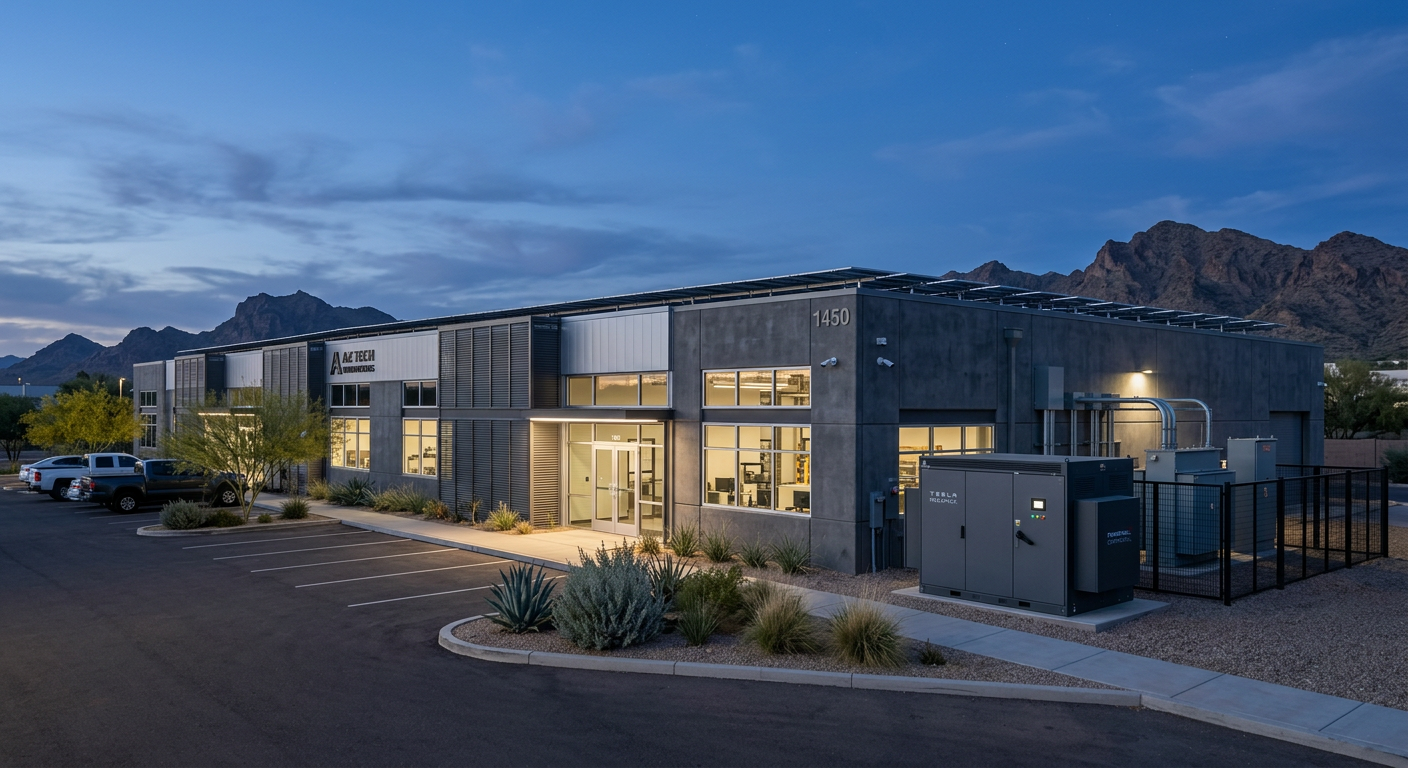
When we discuss battery storage for business, we focus on the customer’s operating priorities. Is the goal peak-load management, critical-load backup, energy control, or a combination? A clear answer helps us recommend a solution that fits the site instead of treating storage as an automatic add-on.
A Better Workflow For Dealers And Sales Reps
A reliable partner program should create a repeatable process that makes you easier to trust. We recommend a workflow that keeps the sales team engaged without asking them to become engineers.
Qualify The Opportunity Early
Start with building type, approximate utility spend, ownership status, roof age, operating hours, and the decision-maker’s goals. This early screening prevents weak opportunities from absorbing too much time and helps identify projects that deserve a deeper analysis.
Bring Technical Support In Before Promises Are Made
Once the opportunity is qualified, share available bills, interval data, site photos, and customer priorities with the installation team. Early collaboration reduces the chance of a proposal that looks good on paper but cannot be delivered within the expected scope.
Keep The Client Experience Connected
Dealers should remain informed during design, permitting, installation, and closeout. Your relationship is valuable, and your client should not feel that they were handed off to an unfamiliar team after they signed.
Build A Referral Engine From Completed Work
A successful commercial project can create introductions to sister properties, investors, vendors, and other business owners. Ask satisfied customers for feedback, address issues promptly, and keep the relationship active after commissioning.
If you are ready to build a durable solar sales channel, you can apply to become a dealer and begin a conversation about the markets and customer types you serve.
Frequently Asked Questions
Who Is A Good Fit For A Commercial Solar Dealer Partnership?
Sales professionals, energy consultants, roofing and construction contacts, commercial real estate professionals, and business-service providers can be a strong fit when they have access to commercial decision-makers. The best partners value long-term client relationships and want an installer that helps protect them.
Do Dealers Need Technical Solar Experience?
Technical experience helps, but it is not the only factor. A structured partnership should provide access to the installation expertise needed for site evaluation, system configuration, storage discussions, and realistic project expectations.
Can We Offer Battery Storage With Commercial Solar Projects?
Yes, when the facility’s load profile, outage risk, and financial objectives support it. Battery storage should be evaluated as part of a complete energy strategy, with special attention to demand charges, backup needs, and operating priorities.
How Should We Discuss The Federal Tax Credit With Clients?
Explain that commercial clean-electricity incentives may improve project economics, then direct the client to confirm eligibility with their tax adviser. We should never promise that a customer will receive a specific credit amount without a qualified review of their facts.
Why Do Reviews Matter When Choosing A Solar Installer?
Reviews help reveal how a company communicates, responds to issues, and supports clients after installation. For a dealer, that feedback matters because the installer’s performance becomes part of the reputation you present to your own network.
What Types Of Commercial Properties Can Benefit From Solar?
Common candidates include retail, offices, hospitality facilities, multifamily properties, HOAs, churches, schools, warehouses, and light industrial sites. The right fit depends on electricity usage, available installation space, ownership structure, and financial goals.
Build A Dealer Business Your Clients Can Trust
We believe strong partnerships begin with honest project evaluation, dependable communication, and installations that hold up over time. If that is the kind of solar company you want behind your name, submit your dealer application and let’s discuss how we can support your commercial pipeline in Arizona, Nevada, or Texas.
You can also start the dealer partnership conversation here if you have an active opportunity and want to evaluate whether it is a fit.
The Bottom Line
A commercial solar dealer program Arizona partnership should help you do more than close another deal. It should give you the technical depth, project communication, financial discipline, and post-install support required to earn repeat business.
When we choose an installation partner carefully, we can present solar and battery solutions with more confidence, create better outcomes for commercial clients, and build a reputation that continues to generate referrals long after the system is energized.




 Arizona: