
How to Choose a Solar Installer for Commercial Properties Today
Selecting the wrong installer can turn a promising solar project into a long operational headache. For commercial properties, the stakes are higher because your roof, energy load, tenants, cash flow, and business reputation are all part of the decision.
That’s why how to choose a solar installer for commercial properties isn’t just about comparing panel brands or chasing the lowest bid. It’s about finding a partner that can design around real business needs, communicate clearly, manage incentives properly, and support the system long after commissioning.
The commercial solar market keeps growing for a reason. According to the Solar Energy Industries Association, commercial solar grew 6% year over year in 2025, even as broader solar deployment shifted across markets. That growth creates opportunity for property owners, dealers, and sales reps, but it also makes installer quality more important than ever.
Commercial Solar Installer Checklist at a Glance
| What to Evaluate | Why It Matters | Red Flag |
|---|---|---|
| Commercial experience | Bigger systems, higher risk | Mostly residential portfolio |
| Licensing and insurance | Protects the property owner | Vague documentation |
| Communication process | Keeps projects moving | Slow or unclear responses |
| Financial guidance | Impacts ROI and tax planning | Generic savings claims |
| Ongoing support | Protects long-term output | No maintenance plan |
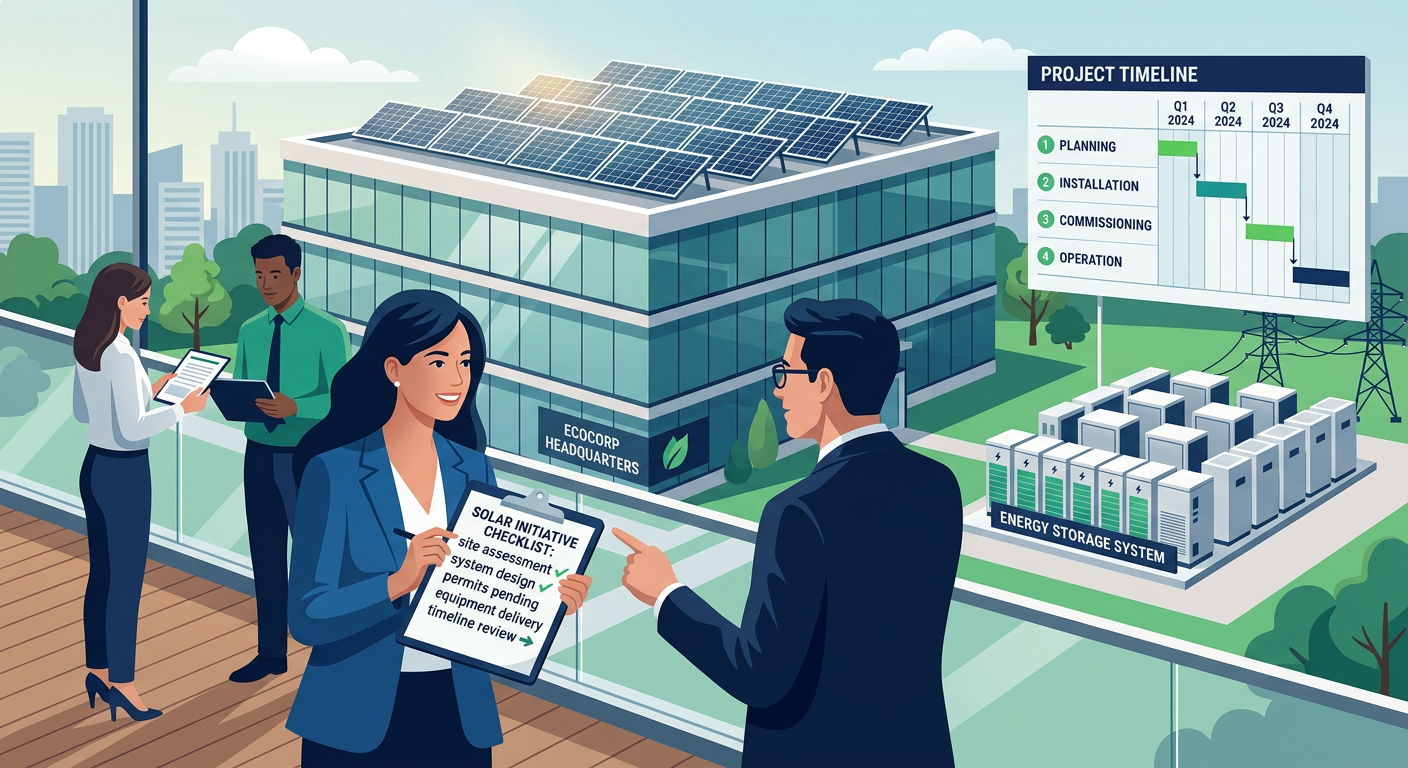
Start With Commercial Experience, Not Just Solar Experience
A company can be good at residential solar and still be the wrong fit for a retail center, multifamily property, church, warehouse, school, or office building. Commercial solar installation involves structural review, utility coordination, demand profiles, permitting, interconnection, safety planning, and operational scheduling.
Ask for examples of similar projects. A hospitality property has different priorities than a light industrial facility. A church or school may care deeply about budget stability and public trust, while a warehouse may focus on demand charges, roof access, and uptime.
Here’s the thing: commercial clients don’t just buy solar equipment. They buy confidence that the installation won’t disrupt operations or damage their reputation.
Verify Licensing, Insurance, and Regional Knowledge
Commercial property owners in Arizona, Nevada, and Texas should work with installers that understand state-level licensing, utility processes, climate conditions, and local permitting expectations. Heat, dust, high cooling loads, and intense sun exposure can all affect design choices.
You should ask for proof of license, general liability coverage, workers’ compensation coverage, and any required electrical qualifications. If a contractor dodges those questions, that’s your answer.
For dealers and sales reps, this matters even more. Your client sees the installer as an extension of your brand. If the project fails, the customer won’t separate the sales experience from the installation experience.
Review the Proposal Like a Business Case
A serious commercial solar proposal should go beyond system size and price. It should explain expected production, equipment selection, utility assumptions, estimated savings, incentive treatment, payback logic, warranties, and any limits of the analysis.
The IRS notes that eligible clean electricity investment projects may qualify for a credit of up to 30% when requirements such as prevailing wage and apprenticeship standards are met, which makes tax planning a major part of project economics for many businesses. Property owners should review current rules with a qualified tax professional using official guidance from the IRS Clean Electricity Investment Credit.
A strong installer won’t promise tax outcomes casually. They’ll help you understand the project information your financial team needs, then encourage proper professional review.
Ask About Battery Storage and Load Management
For many commercial buildings, solar alone is valuable, but solar plus storage may be stronger. Battery storage can help manage peak demand, improve resilience, and keep critical systems running during grid disruptions.
This is especially relevant for businesses with refrigeration, HVAC-heavy operations, elevators, security systems, tenant amenities, or high afternoon demand. Retail, hospitality, multifamily, churches, and light industrial properties often have different load patterns, so storage should be evaluated site by site.
If you’re a dealer building commercial solar sales partnerships, battery storage also gives you a more strategic conversation. You’re not just selling panels. You’re helping businesses control energy risk.
Look for a Clear Maintenance and Support Plan
Solar is a long-term asset. That means maintenance, monitoring, troubleshooting, warranty support, and system performance reviews should be part of the conversation before anyone signs.
The National Renewable Energy Laboratory has published best-practice guidance emphasizing the value of operations and maintenance planning for PV systems, including documentation, inspections, monitoring, and service procedures. For commercial owners, that planning helps protect system performance and financial return over time.
Ask who monitors the system, how service requests are handled, what response times look like, and whether the installer can support repairs or upgrades later. A low upfront bid can get expensive if support disappears after installation.
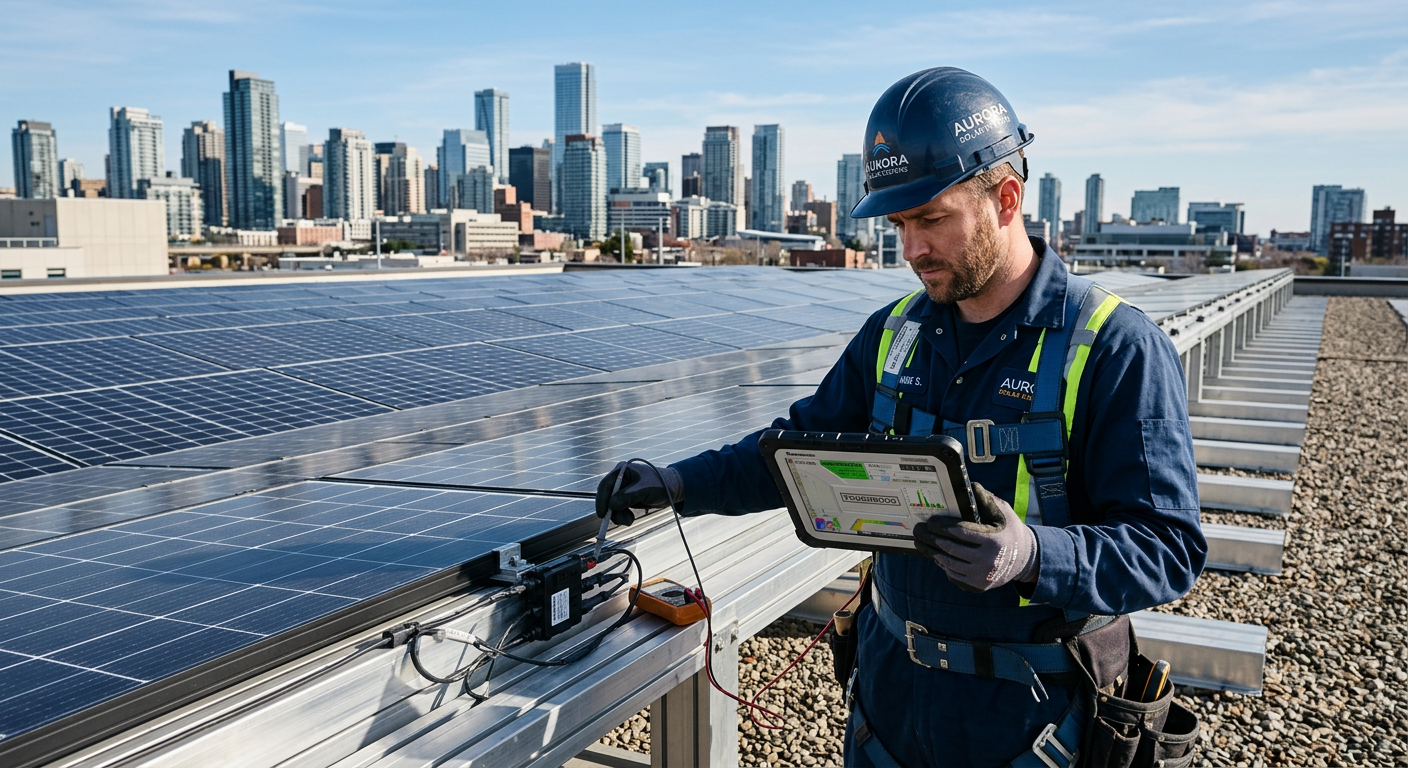
Check Reviews, Reputation, and Communication Quality
Reviews matter because they reveal patterns. One unhappy customer doesn’t tell the whole story, but repeated complaints about missed calls, delays, poor workmanship, or confusing handoffs should make you pause.
Before choosing a partner, review public feedback and ask for references from businesses with similar property types. You can also review Independent Solar’s customer feedback on the reviews page to see how reputation and customer satisfaction fit into the decision process.
For B2B dealers, reputation is currency. A trusted solar company helps you walk into sales conversations with more confidence because you’re not worried about what happens after the deal closes.
Compare Installer Fit for Dealers and Property Owners
Not every installer is built for the same customer. Some are best for single-site property owners. Others are better suited for dealers, sales organizations, and channel partners that need repeatable execution.
If you’re a commercial property owner, focus on design quality, financial clarity, local experience, and post-install support. If you’re a sales rep or dealer, also look at onboarding, communication systems, training, project handoff, and whether the company protects your client relationship.
Independent Solar supports commercial-grade installs, battery storage, maintenance, financing guidance, and dealer partnerships for organizations that need a more reliable backend. If you’re evaluating solar dealer program options, you can become a solar dealer with Independent Solar and start the application process.
Questions to Ask Before Signing
How many commercial projects like mine have you completed?
Ask for relevant experience by property type, not just total installation count. A school, HOA, retail center, and manufacturing facility all have different operational needs.
Who manages permitting, utility coordination, and interconnection?
You want clear ownership. If the installer can’t explain the process, timeline, and responsible parties, delays are more likely.
What assumptions are used in the savings estimate?
Utility rates, escalation assumptions, demand charges, degradation, tax incentives, and usage patterns can change the financial picture. Make sure the proposal is transparent.
What happens after installation?
A commercial solar system needs monitoring, warranty support, maintenance options, and a service contact. Don’t wait until something breaks to learn there’s no support plan.
Can the system be expanded or paired with storage later?
Business energy needs change. A smart design considers future expansion, EV charging, battery storage, tenant growth, and roof replacement timing.
Build With a Partner That Helps You Grow
If you’re a dealer, sales rep, or channel partner, your installer can either strengthen your reputation or put it at risk. Independent Solar is built for partners who want transparent support, commercial-grade execution, and a company they can confidently represent.
Ready to grow with a reliable solar company? Apply to become a solar dealer and connect with a team focused on long-term opportunity, better communication, and stronger client confidence.
FAQ
What is the most important factor when choosing a commercial solar installer?
Commercial experience is usually the top factor. The installer should understand permitting, utility coordination, structural requirements, business operations, financial modeling, and long-term maintenance.
Should commercial properties choose the lowest solar bid?
Not automatically. A lower price may leave out monitoring, maintenance, better equipment, realistic production assumptions, or proper project management. Compare total value, not just upfront cost.
How do solar installers estimate ROI for commercial buildings?
They typically review historical utility bills, system production estimates, utility rate structures, demand charges, incentives, financing costs, and maintenance assumptions. A good installer explains these inputs clearly.
Is battery storage worth considering for business solar projects?
Yes, especially for properties with high demand charges, outage concerns, critical equipment, or afternoon peak usage. Storage should be evaluated based on the building’s actual load profile.
Why do reviews matter when choosing a solar installer?
Reviews help reveal communication quality, workmanship, follow-through, and customer satisfaction. For commercial owners and dealers, reputation can be just as important as technical capability.
How can solar dealers find a reliable installation partner?
Dealers should look for strong communication, proven installation quality, clear onboarding, transparent support, and a reputation they can stand behind. A structured partner process makes growth easier.
Where can I apply to become a solar dealer?
You can apply through Independent Solar’s dealer application if you’re ready to explore a partnership focused on support, reputation, and commercial solar growth.
Final Thoughts
Choosing a commercial solar installer is really about choosing who you trust with your property, your budget, and your reputation. The best partner brings technical skill, honest financial guidance, clear communication, and support that lasts beyond installation day.
For property owners, that means fewer surprises and stronger long-term performance. For dealers and sales reps, it means a better client experience and a brand you can confidently stand behind.




 Arizona:
