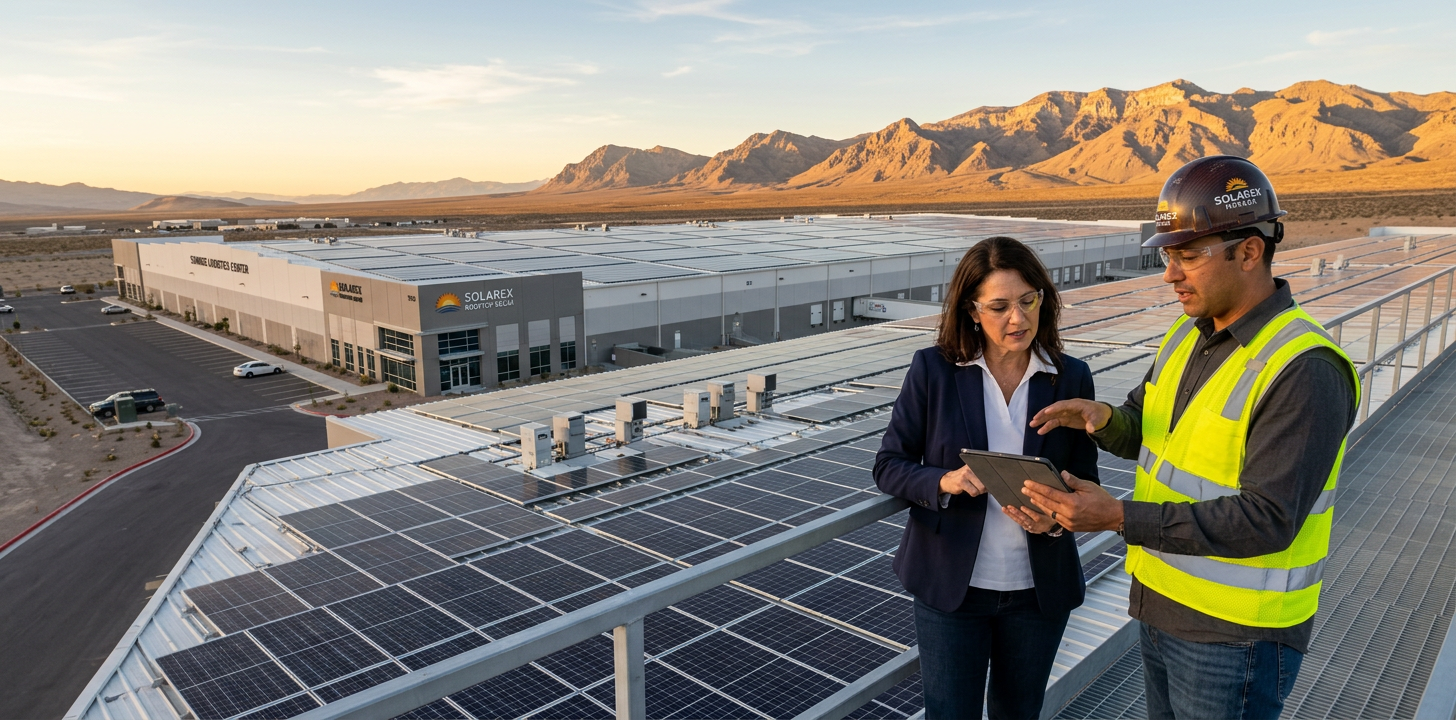
A commercial solar project can improve operating economics, but only when the installer treats it as a long-term infrastructure investment rather than a quick equipment sale. Business owners, facility managers, dealers, and sales partners all need a team that can translate utility data, building conditions, financing, permitting, construction, and service into a plan that holds up after commissioning.
Choosing a trusted commercial solar installer Nevada businesses can rely on comes down to more than panel brands or a low initial proposal. It requires clear scope, realistic production assumptions, capable field execution, responsive communication, and support that protects both the asset and the reputation of everyone who recommended it.
What Trust Looks Like in a Commercial Solar Partner
Commercial solar is a business decision. The right installation partner should make it easier to evaluate risk, communicate ROI to stakeholders, and operate the system confidently for years.
| Evaluation Area | What a Strong Partner Provides | Why It Matters |
|---|---|---|
| Site assessment | Roof, electrical, shading, structural review | Avoids costly surprises |
| Financial modeling | Utility-bill analysis and transparent assumptions | Supports credible ROI decisions |
| Project delivery | Defined milestones and accountable coordination | Reduces operational disruption |
| Service support | Monitoring, maintenance, and repair pathways | Protects long-term production |
| Partner experience | Proposal support and clear handoffs | Helps dealers preserve trust |
Nevada is a serious solar market, not an experimental one. The U.S. Energy Information Administration reports that utility-scale and small-scale solar together supplied about 34% of Nevada’s total electricity generation in 2025, while the commercial sector accounted for almost two-fifths of statewide electricity consumption. That scale makes solar literacy, utility-rate knowledge, and well-designed projects especially important for commercial decision-makers. U.S. Energy Information Administration
Start With the Building and the Bill
A trustworthy installer begins with the property’s operating reality. For a retail center, that may mean matching daytime production to cooling loads. For a hotel, multifamily community, school, church, warehouse, or light industrial site, it may mean balancing roof constraints, equipment schedules, tenant needs, and service continuity.
The utility bill matters just as much as the roof. A credible proposal identifies energy charges, demand exposure, applicable rate structures, and the hours that create the most value. NV Energy notes that medium and large commercial customers already have demand charges, which is why a production estimate alone is not enough for many larger Nevada facilities. NV Energy
Expect Numbers You Can Audit
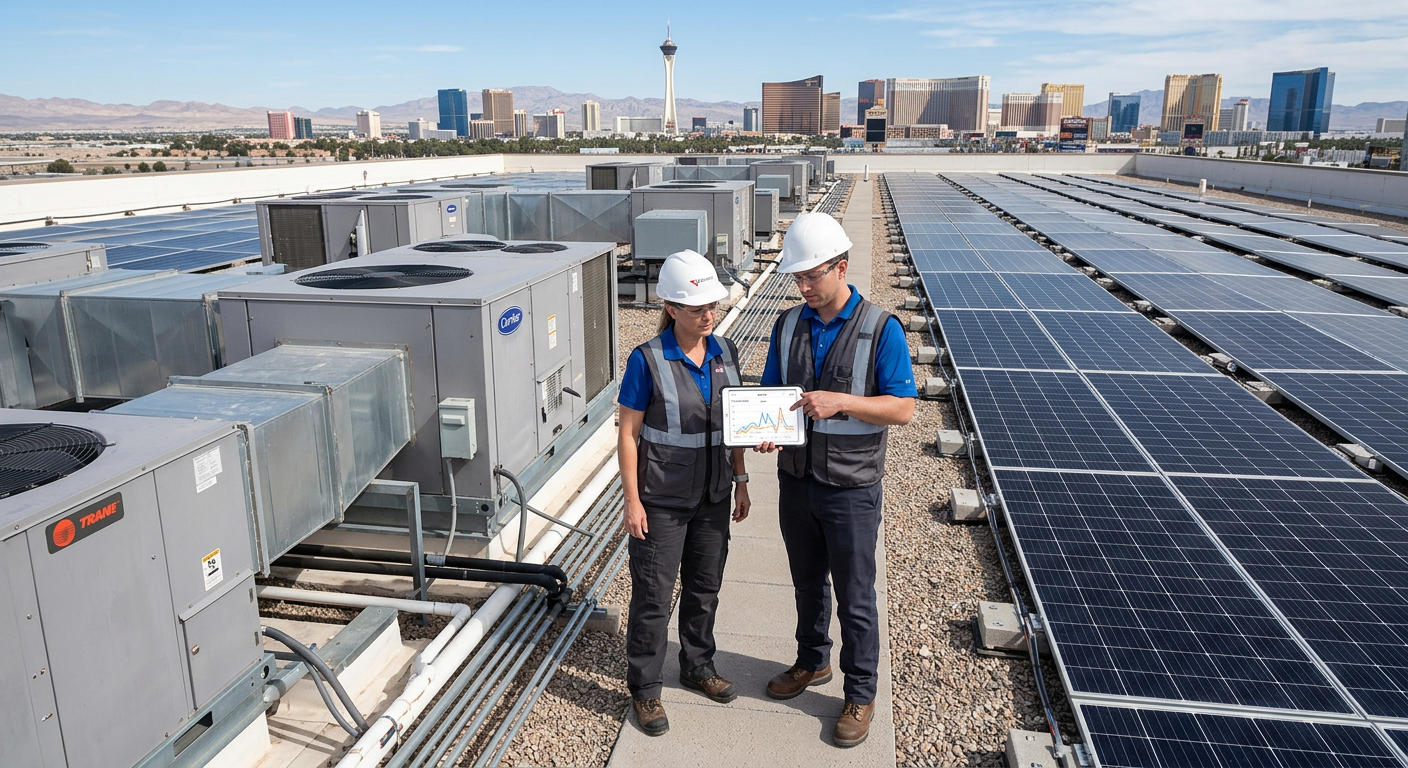
Trust is built when assumptions are visible. We recommend asking for estimated annual production, degradation assumptions, utility escalation assumptions, equipment specifications, warranty details, and a clear explanation of what is included in the contract.
A lower price can be worthwhile, but only if the scope is comparable. One proposal may include engineering coordination, electrical upgrades, monitoring, and post-install support while another excludes them. The right comparison is total project value and lifecycle risk, not simply the price per watt.
How a Trusted Commercial Solar Installer Nevada Businesses Need Supports ROI
Solar ROI is not a single number. It is a combination of avoided utility purchases, financing structure, tax treatment, system performance, operations costs, and the building owner’s holding period. A sound analysis should show what must be true for the project to meet its targets.
Model Savings Against Real Consumption
The strongest commercial opportunities generally have consistent daytime consumption, suitable roof or land area, and a rate profile that rewards onsite generation. Solar can offset a portion of purchased electricity, but it cannot eliminate every grid-related charge. That distinction should be discussed before contracts are signed.
For small businesses in Southern Nevada, NV Energy lists a standard energy rate of $0.07325 per kWh for July 1 through September 30, 2026. Larger properties may have more complex rate structures and demand-related costs, so site-specific bill analysis is essential rather than relying on a generic savings percentage. NV Energy energy pricing plans
Treat Battery Storage as an Operations Tool
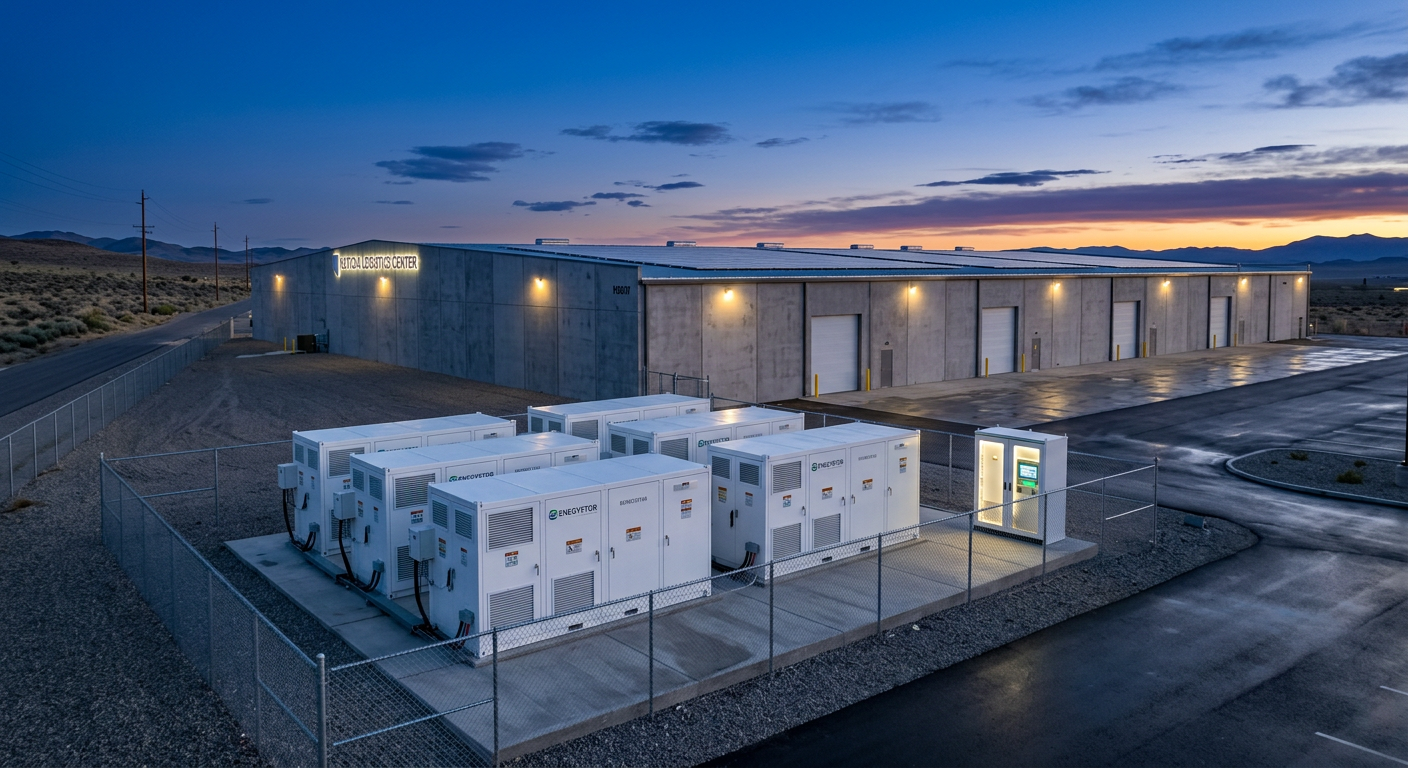
Battery storage is not automatically the right addition to every project. Its strongest business cases may include demand management, selective backup for critical loads, time-based energy management, and improved resilience for operations where downtime is expensive.
A dependable commercial installer should explain the distinction between whole-facility backup and prioritized-load backup. They should also show how battery capacity, discharge duration, controls, and utility rate design affect the economics. This avoids a common mistake, assuming that storage is only about outages when it can also support smarter load management.
Make Tax-Credit Guidance Specific, Not Casual
Federal incentives can materially affect commercial project economics, but eligibility is technical and must be evaluated with qualified tax and legal professionals. The IRS states that the Clean Electricity Investment Credit under Section 48E has a base amount of 6% and may increase to 30% when prevailing wage and apprenticeship requirements are met, with potential bonus amounts in qualifying circumstances. Internal Revenue Service
Timing matters as well. IRS guidance explains that special termination rules apply to certain solar facilities placed in service after December 31, 2027, when construction begins after July 4, 2026. A professional installer should coordinate project assumptions with the customer’s tax advisors, financing team, and construction schedule instead of promising a tax outcome. IRS Notice 2025-42
Due Diligence Questions Before You Sign
A contractor’s answers should be direct, documented, and consistent. If a team rushes past technical or financial questions, that is a signal to slow down.
Questions for Commercial Property Owners
- Who performs the site assessment, engineering coordination, installation, and commissioning?
- What electrical upgrades, structural work, or utility requirements could change the project scope?
- How will production be monitored, and who handles a performance or equipment issue?
- Which warranties apply to modules, inverters, labor, roof penetrations, and workmanship?
- How will the project affect tenants, operations, access, parking, loading areas, and safety planning?
- What assumptions drive the savings and payback analysis?
Questions for Dealers and Sales Partners
Dealers should evaluate the installer with the same rigor they use for a major account. Your client will remember the design quality, jobsite conduct, communication, and service response long after the initial sale.
Ask about proposal turnaround, territory support, commercial design resources, financing coordination, project updates, installation capacity, and escalation procedures. Review public feedback as part of that process. Real Independent Solar customer and partner reviews can help sales professionals assess how a company’s communication and follow-through are experienced in the field.
For partners who want a clearer operating model, our solar dealer program benefits for B2B partners and commercial sellers outline the value of structured support, transparent processes, and commercial-grade execution. Dealers can also apply to become an Independent Solar dealer when they are ready to explore the fit.
Why Reputation Is Part of System Performance
Commercial customers buy confidence alongside energy equipment. A project can have excellent hardware and still disappoint the client if scheduling, handoffs, documentation, or service communication falls apart.
That is why reviews matter. They are not a substitute for due diligence, but they help reveal patterns in responsiveness, professionalism, installation quality, and the overall customer experience. A reputation built on transparent support gives property owners more confidence and gives sales partners a stronger brand to represent.
Independent Solar supports commercial solar projects for offices, retail sites, hospitality properties, multifamily communities, HOAs, churches, schools, and light industrial facilities across Nevada and other Southwest markets. Our focus is to provide a professional process from early project evaluation through installation and ongoing support, so businesses and channel partners can make decisions with more clarity.
Build a Solar Partnership That Protects Your Brand
If you are a dealer or sales professional, you should not have to choose between growth and credibility. A reliable installation partner gives you the technical backing, project visibility, and service structure needed to represent commercial solar with confidence.
We welcome serious partners who value transparent commissions, clear communication, commercial-grade installations, and long-term customer relationships. Apply through our dealer application to discuss partnership opportunities, then review real feedback to see why reputation belongs in every solar conversation. If you are ready to build a stronger commercial pipeline, become a dealer with Independent Solar.
Frequently Asked Questions
What makes a commercial solar installer trustworthy?
A trustworthy installer provides a documented scope, realistic production and savings assumptions, qualified project coordination, clear communication, credible warranties, and a defined plan for monitoring and service. They do not avoid difficult questions about roof condition, utility rules, construction risk, or incentive eligibility.
How do commercial solar systems lower operating costs?
Commercial solar can reduce the amount of electricity a facility buys from the utility during solar-producing hours. Actual savings depend on the building’s usage profile, applicable utility rates, system size, financing, demand charges, and system performance.
Is battery storage worth adding to a Nevada commercial solar project?
It can be, particularly when a facility has high demand charges, critical loads, outage concerns, or a need to manage energy use more strategically. Storage should be evaluated through a site-specific model rather than added automatically.
Can dealers sell commercial solar without handling installation work?
Yes. A structured solar sales partnership can allow dealers and reps to focus on relationships and business development while the installation partner supports design, permitting, construction, commissioning, and post-install service. The partner’s execution still reflects on the dealer, so due diligence is essential.
How do reviews help commercial buyers choose an installer?
Reviews can reveal recurring strengths or concerns around communication, project management, workmanship, and support. Buyers should read them alongside contracts, equipment documentation, references, and their own technical and financial review.
What should be included in a commercial solar proposal?
A complete proposal should address system size, expected production, equipment, scope of work, utility assumptions, project schedule, warranties, monitoring, estimated financial outcomes, exclusions, and responsibilities for permitting, interconnection, and service.
The Practical Takeaway
The best commercial solar decision is built on proof, not promises. When the installer understands your facility, models the economics transparently, prepares for construction realities, and remains accountable after activation, solar becomes a more dependable business asset.
For Nevada property owners, the right partner can turn strong solar conditions into measurable utility savings and resilience. For dealers and sales reps, the right partner protects the trust you have worked hard to earn. Evaluate the process, examine the details, and choose the team that is prepared to support the project for the long haul.