
Commercial Solar Tax Credits 2024: Guide for Businesses
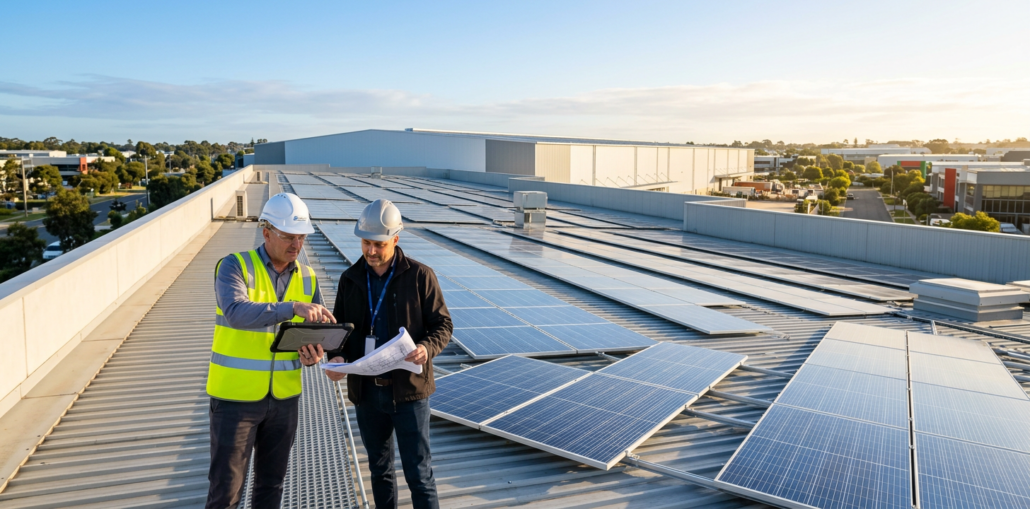
Commercial projects got a lot more interesting in 2024. If you are evaluating solar for a retail center, office building, school, church, multifamily property, or industrial site, the commercial solar tax credits 2024 landscape can change the economics fast.
The key is knowing what still applies, what is phasing out, and how to structure the project so the incentive actually helps your bottom line. That matters just as much for owners as it does for dealers and sales reps who need a dependable partner they can confidently represent.
Introduction
For business leaders, solar is no longer just about sustainability. It is about lowering operating costs, improving long-term asset value, and making smart capital decisions. For channel partners, it is also about aligning with a solar company that communicates clearly, delivers quality work, and protects your reputation.
If you are considering a commercial project in Arizona, Nevada, or Texas, this guide breaks down how the tax credit picture works in 2024, what to watch before year-end, and how Independent Solar helps clients and dealers move forward with confidence.
What Changed in 2024
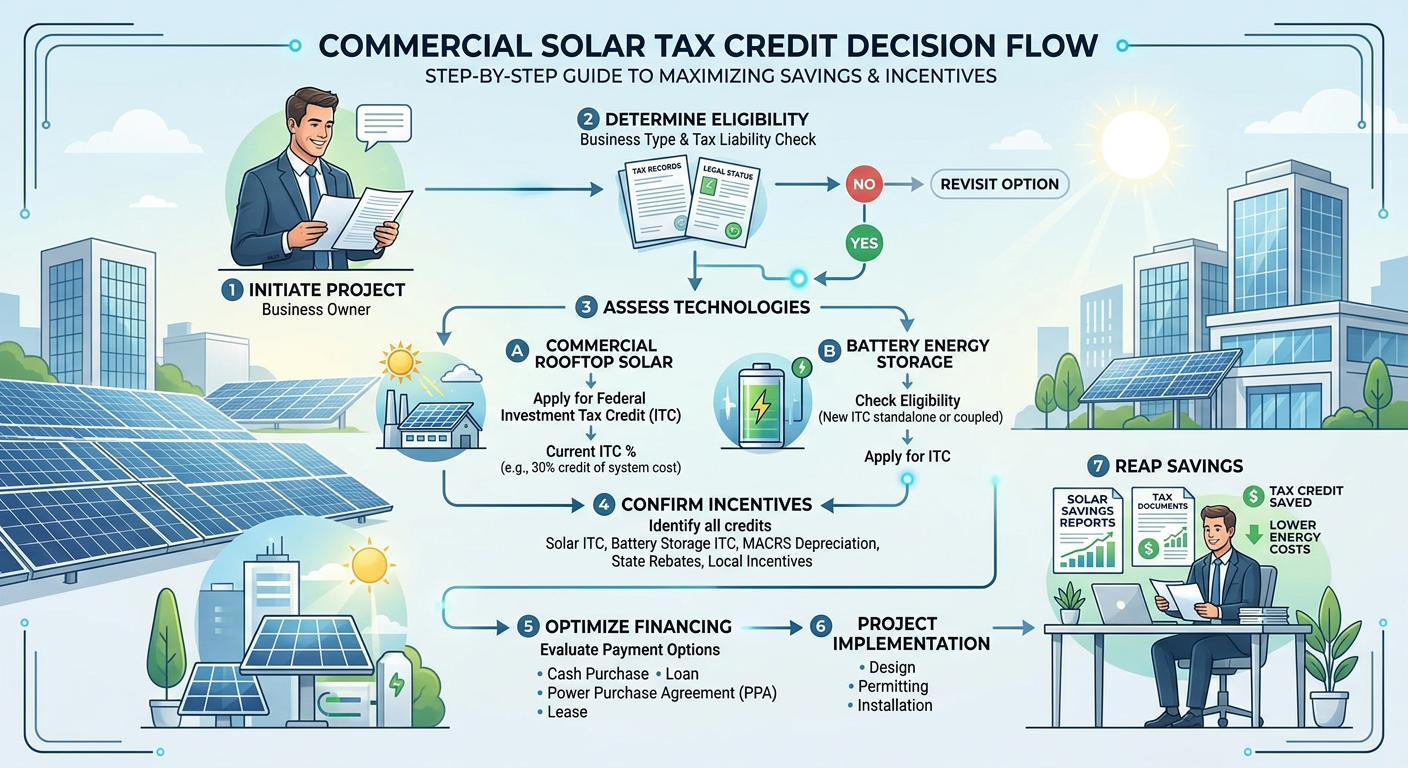
The federal solar investment credit remained one of the main incentives for commercial solar in 2024, but the policy environment is shifting. The IRS says the Clean Electricity Investment Credit will replace the Energy Investment Tax Credit after the latter phases out at the end of 2024, and it applies to qualified facilities and energy storage technology placed in service after December 31, 2024. (irs.gov)
That means 2024 is a crucial planning year. If a commercial system is placed in service before year-end, project teams may still be working under the current investment credit rules. If the project slips into 2025, a different credit framework may apply. (irs.gov)
How the Federal Credit Typically Helps Commercial Owners
For many businesses, the federal credit can reduce upfront tax liability tied to the cost of the solar installation. In practical terms, that can improve payback, support financing, and make it easier to justify rooftop or ground-mount systems for facilities with steady daytime usage.
Commercial buyers should also pay attention to bonus incentives, including prevailing wage and apprenticeship-related increases, domestic content, and energy community treatment where applicable. The IRS explains that the base amount for the new credit is 6 percent, with possible increases depending on project qualifications. (irs.gov)
Why Timing Matters for 2024 Projects
The most common mistake is assuming the tax credit is automatic. It is not. Projects need to be designed, installed, and placed in service correctly, and the paperwork has to line up with the tax year. If your project is near a deadline, delays in permitting, procurement, or utility coordination can affect the incentive outcome.
That is why experienced commercial installers matter. A strong partner helps you avoid last-minute surprises, especially when a property has complex electrical needs, structural limits, or utility interconnection issues.
What B2B Dealers and Sales Reps Should Care About
If you are a dealer, rep, or channel partner, tax credit education is not just a talking point. It is part of protecting your close rate and your reputation.
Working with a reliable commercial installer helps you:
- Present cleaner proposals
- Set more realistic timelines
- Reduce handoff friction
- Build trust with property owners
- Protect long-term customer satisfaction
That is exactly why many partners look for a team that can handle commercial-grade installs, battery storage, maintenance, and tax-credit guidance without creating confusion later. If you want to expand your book of business, consider the benefits of a structured dealer relationship and a company you can stand behind. Become a Dealer can be a growth strategy, not just a referral channel.
Where Commercial Solar Makes the Most Sense
Commercial solar can be especially attractive for properties with predictable daytime load, high utility bills, or large rooftops. Common use cases include:
Retail and office
These properties often have strong daytime consumption and good roof space.
Hospitality and multifamily
These owners want to manage operating costs while strengthening long-term property value.
Schools, churches, and nonprofits
These organizations often prioritize predictable expenses and mission-driven upgrades.
Light industrial and warehouse facilities
Large roof surfaces and consistent power needs can support strong project economics.
For businesses with backup concerns, battery storage can also improve resilience and support critical loads during outages. Independent Solar offers battery solutions alongside commercial installations, which matters for buyers who want long-term reliability, not just a panel array.
Reputation Matters as Much as the Incentive
A tax credit can make the numbers work, but execution makes the experience work. One weak install can erase years of trust.
That is why reviews and reputation should be part of your decision process. Before you hire or partner with anyone, check the company’s track record and customer feedback. You can review real feedback on the Independent Solar reviews page, which helps buyers and dealers gauge communication quality, professionalism, and install satisfaction before moving ahead. Reviews matter because businesses do not just want a solar system, they want a reliable outcome.
What to Verify Before You Move Forward
Before committing to a commercial project, confirm these items:
- Eligible tax treatment for your ownership structure
- Expected placed-in-service timeline
- Whether the project may qualify for any bonus treatment
- Financing structure and tax appetite
- Interconnection and permitting schedule
- Warranty, maintenance, and service support
This is also where a dependable commercial solar partner pays off. If your installer can explain the incentive clearly and stay organized through delivery, your project has a much better chance of finishing on time and on budget.
FAQ
Who can use commercial solar tax credits in 2024?
Businesses, property owners, and certain tax-exempt entities may benefit depending on structure and project eligibility. The exact treatment depends on ownership, tax status, and how the project is placed in service. (irs.gov)
Does the 2024 federal solar credit still apply to commercial systems?
Yes, commercial projects in 2024 may still fall under the current investment credit rules if they are placed in service before year-end. The IRS also notes a new Clean Electricity Investment Credit for projects placed in service after December 31, 2024. (irs.gov)
Can battery storage be included?
Yes, the IRS states the Clean Electricity Investment Credit applies to qualified facilities and energy storage technology placed in service after December 31, 2024. For 2024 planning, storage should be reviewed carefully with the project timeline. (irs.gov)
Why do dealers need to understand tax credits?
Because tax incentives affect affordability, proposal quality, and close rates. Dealers who can explain the basics build more trust and create a smoother customer experience.
How can Independent Solar help?
Independent Solar supports commercial solar installations, battery storage, maintenance, financing guidance, and dealer partnerships. That combination helps business owners and channel partners reduce risk and move faster.
Ready to Build a Smarter Commercial Solar Strategy?
If you are a business owner, dealer, or sales partner, now is the time to get serious about timing, incentives, and execution. The best projects are not just the ones that save money, they are the ones that are delivered cleanly and backed by a team you trust.
Apply to become a dealer with Independent Solar if you want a commercial partner that helps you grow with confidence. If you are evaluating your own project, reach out, compare options, and review the company’s customer feedback before you move ahead.
Conclusion
Commercial solar tax credits in 2024 are still a major opportunity, but the details matter. The right project, on the right timeline, with the right installer can improve returns and reduce risk.
For owners, that means lower operating costs and stronger long-term value. For dealers and reps, it means aligning with a solar company that supports your reputation, communicates well, and delivers on commercial expectations. That is the kind of partnership businesses can actually build on.







 Arizona:
