
Solar Panel Maintenance and Repair Services for Business Sites
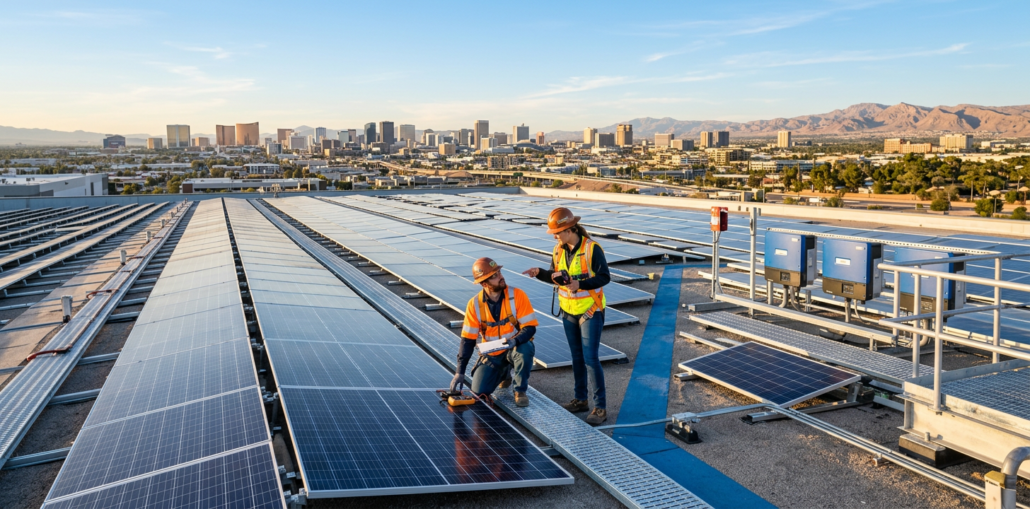
A commercial solar system can look quiet from the parking lot, but it’s always working. Heat, dust, wiring stress, inverter alerts, storm damage, monitoring gaps, and aging equipment can all affect how much power your site actually produces.
That’s why solar panel maintenance and repair services matter for businesses, dealers, and channel partners. The goal isn’t just to “fix panels.” It’s to protect energy yield, keep clients confident, improve long-term project value, and make sure every installed system reflects well on the company behind it.
For commercial property owners in Arizona, Nevada, and Texas, preventive care is especially important because high sun exposure, dust, roof conditions, and utility costs can make performance losses more expensive. For solar sales reps and dealers, reliable service support can be the difference between a happy referral and a frustrated client.
Solar Maintenance at a Glance
| Service Area | Main Goal | Best Fit | Business Impact |
|---|---|---|---|
| Preventive Maintenance | Avoid failures | Active systems | Better uptime |
| System Diagnostics | Find hidden loss | Underperforming sites | Stronger yield |
| Inverter Repair | Restore output | Alerting systems | Faster recovery |
| Panel Cleaning | Reduce soiling | Dusty regions | More production |
| Monitoring Support | Track issues | Multi-site owners | Better visibility |
Why Solar Panel Maintenance and Repair Services Matter
Solar systems are durable, but they aren’t maintenance-free. A commercial array includes modules, racking, wiring, inverters, conduit, breakers, monitoring equipment, and sometimes battery storage. If one part underperforms, the whole financial model can feel the impact.
The U.S. Department of Energy notes that solar PV systems use automatic controls, but site teams still need to monitor performance, perform preventive maintenance, and quickly repair failures to avoid lost production. DOE also highlights an NREL analysis of California PV systems that found as much as 8.3% of lost energy production could be recovered through optimal operations and maintenance: Department of Energy Solar O&M Resources.
Here’s the thing: commercial buyers don’t want vague reassurance. They want evidence that their installer or partner can support the system after the sale, communicate clearly, and help protect project economics over time.
What Commercial Solar Maintenance Usually Includes
Visual and Structural Inspections
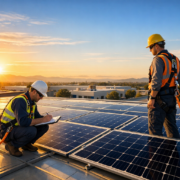
Technicians check modules, clamps, racking, roof penetrations, conduit, and visible damage. In high-heat markets like Arizona, Nevada, and Texas, inspections should also account for UV exposure, thermal movement, roof condition, and dust buildup.
For property owners, this helps catch issues before they become production losses. For dealers, it provides a stronger client experience after installation because problems are documented, explained, and handled professionally.
Electrical Testing and Troubleshooting
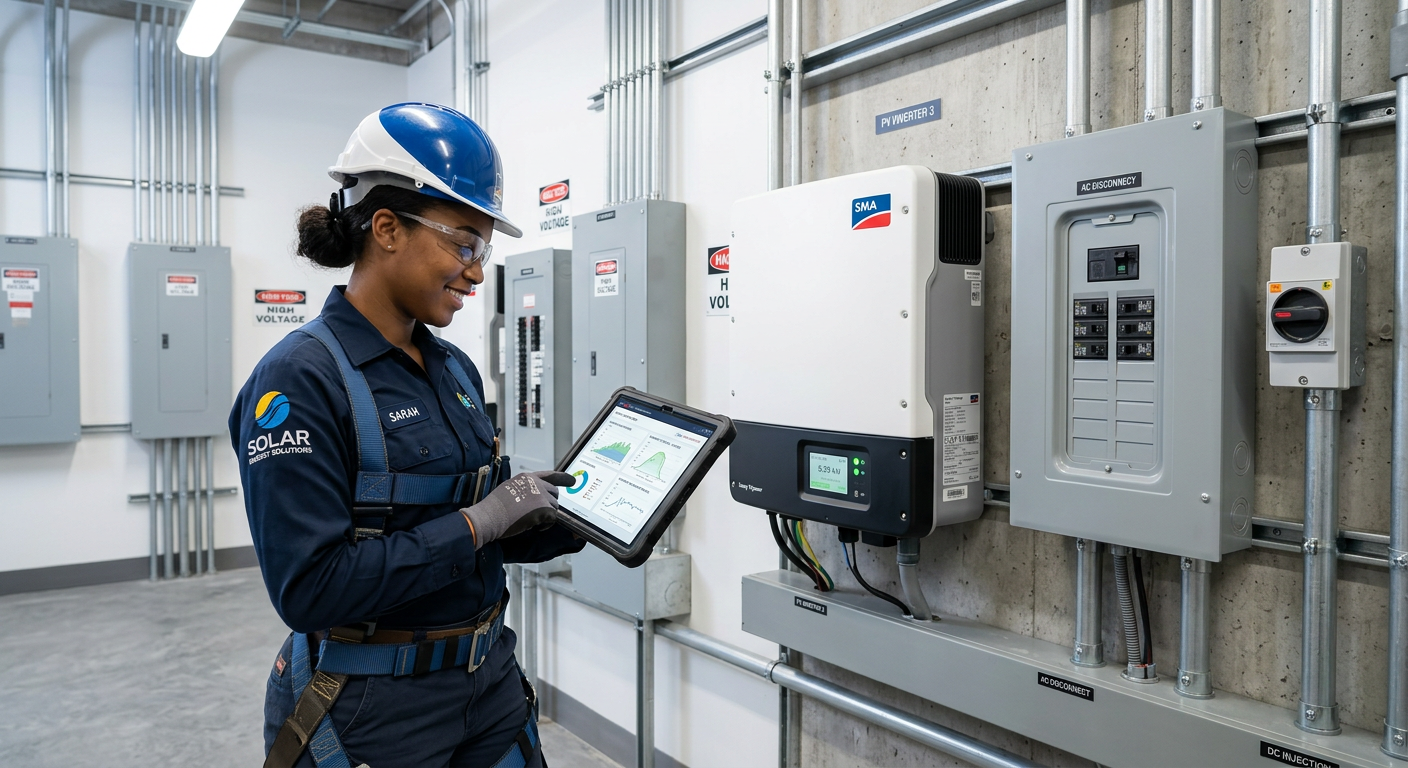
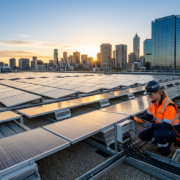
Commercial solar repair often starts with data, then moves into field testing. Common checks include string voltage, inverter fault codes, combiner boxes, breakers, disconnects, grounding, and monitoring communication.
This is where qualified service matters. Solar arrays are electrical assets, not simple roof accessories, so repairs should be handled by trained solar professionals who understand both production and safety.
Inverter and Monitoring Support
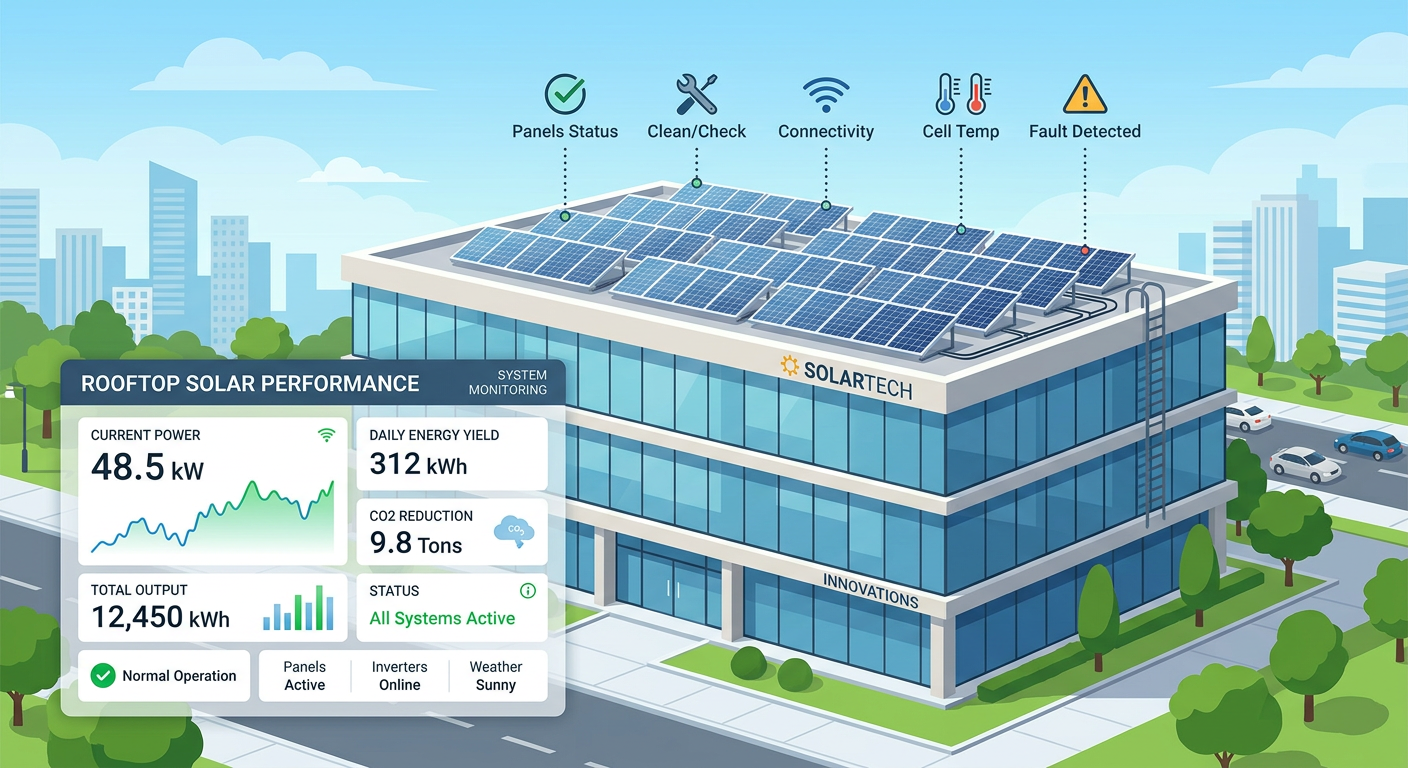
Inverters are central to commercial solar performance because they convert DC power from the panels into AC power for building use. If an inverter faults, derates, or loses communication, your system may be producing less than expected without anyone on-site noticing right away.
A strong maintenance plan includes monitoring review, alert handling, and clear communication. Dealers benefit from this because clients don’t feel abandoned after the contract is signed.
Panel Cleaning and Soiling Review
Not every system needs constant cleaning, but dusty locations, flat roof arrays, bird activity, wildfire ash, pollen, and nearby construction can reduce sunlight reaching the modules. Cleaning should be based on site conditions, water access, roof safety, and measurable production impact.
The best approach is practical, not automatic. If cleaning costs more than the expected energy gain, a good partner should say so.
Common Solar Repairs Businesses Should Watch For
Underperforming Strings
A string can underperform because of damaged wiring, shading changes, connector issues, module faults, or inverter problems. The warning sign is usually a production gap between expected output and actual output.
Commercial owners should compare monthly production against weather-adjusted expectations, not just last month’s bill. Dealers should work with partners who can explain performance in plain language, not bury clients in confusing charts.
Broken Modules or Glass Damage
Hail, debris, thermal stress, vandalism, and roof work can damage panels. Some damage is obvious, but microcracks and electrical issues may require deeper testing.
Prompt repair protects safety and energy yield. It also keeps the client relationship clean, especially when a dealer referred the project and their reputation is attached to the outcome.
Communication Failures
Sometimes the system is producing power, but monitoring is offline. Other times, monitoring is the first clue that production is down. Either way, communication faults create uncertainty.
For multi-site owners, churches, schools, retail centers, and HOAs, visibility matters. A reliable service process helps decision-makers know what’s happening, what needs action, and what can wait.
How Maintenance Protects Solar ROI
Solar is usually sold on long-term value: utility savings, tax benefits, depreciation, resilience, and predictable operating costs. Maintenance protects that value by reducing avoidable downtime and keeping production closer to forecast.
SEIA and Wood Mackenzie reported that the U.S. solar industry installed 43.2 GWdc of capacity in 2025, while the commercial solar segment grew 6% and added 2,345 MWdc: SEIA Solar Market Insight Report. As more businesses adopt solar, ongoing service quality becomes a bigger competitive advantage.
For dealers and sales reps, that matters because every completed project becomes proof. A clean install, responsive service team, and happy client can support more referrals, better close rates, and a stronger local brand.
What Dealers Should Look for in a Service Partner
Clear Communication After the Sale
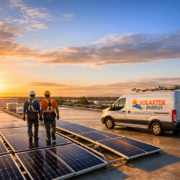
A dealer-friendly solar company should keep clients informed through the full project life, not disappear after installation. That includes repair timelines, service notes, photos when useful, and plain-English explanations.
If you’re building a sales channel, your installer’s behavior becomes part of your brand. Before aligning with any partner, review how they handle follow-up, issue resolution, and public feedback. You can start by reviewing customer feedback and install satisfaction to evaluate trust signals and service reputation.
Commercial-Grade Installation Standards
Maintenance is easier when the system was designed and installed well from the beginning. Clean electrical work, accessible equipment placement, accurate documentation, and quality components all reduce future service friction.
That’s why businesses and dealers should ask about both installation and long-term support. The lowest bid can become expensive if communication is poor or repair support is weak.
Support for Batteries, Upgrades, and Incentives
Many commercial sites are no longer thinking about solar alone. Battery storage, demand charge control, backup needs, utility rate changes, and tax-credit planning are now part of the conversation.
The IRS has published clean energy credit guidance for business energy property, including solar and storage-related provisions: IRS Clean Energy Tax Credit Publication. Tax rules can change, so businesses should work with qualified tax advisors and a solar partner that can provide project documentation clearly.
Build a Stronger Solar Business With the Right Partner
If you’re a dealer, sales rep, or channel partner looking for a reliable installation and service team, Independent Solar offers commercial-grade installs, maintenance support, battery storage solutions, and a structured partner path. You can apply to become a solar dealer and align with a company built around reputation, communication, and long-term client confidence.
For commercial property owners, the same service mindset matters. A solar project should lower operating costs, strengthen energy planning, and come with support you can actually reach when something needs attention.
Solar Maintenance Checklist for Business Owners
Review Production Monthly
Look for sudden dips, unusual seasonal gaps, or alerts from the monitoring portal. Don’t wait for a high utility bill to reveal an issue that started weeks earlier.
Schedule Routine Inspections
Commercial sites should have inspections based on system size, roof conditions, weather exposure, and equipment age. Annual reviews are common, but some sites need more frequent service.
Keep Documentation Organized
Store drawings, warranties, monitoring access, equipment serial numbers, service notes, and utility documents in one place. Good records speed up repair work and support warranty claims.
Watch Roof Work Around Solar Arrays
Roofing contractors, HVAC teams, and other trades can accidentally damage wiring, modules, or conduit. Any roof work near solar should be coordinated with the solar provider.
Choose Partners With Visible Trust Signals
Reviews, communication practices, service documentation, and commercial experience all matter. Dealers should be especially careful here because their own reputation rides on the client experience.
Frequently Asked Questions
How often should commercial solar panels be maintained?
Most commercial systems benefit from at least one professional inspection per year, but dusty, high-heat, or mission-critical sites may need more frequent review. Monitoring should be checked more often so production issues are spotted early.
Do solar panels need to be cleaned in Arizona, Nevada, and Texas?
Often, yes, but the frequency depends on dust, rainfall, tilt, site activity, and measured production loss. Cleaning should be based on energy impact, not a fixed calendar alone.
What are the most common commercial solar repairs?
Common repairs include inverter faults, monitoring communication issues, damaged modules, wiring problems, breaker trips, loose connections, and underperforming strings. The right diagnostic process helps identify the cause before parts are replaced.
Can maintenance improve solar production?
Yes. Maintenance can recover lost energy when production issues come from soiling, equipment faults, communication failures, or preventable downtime. The financial value depends on system size, utility rate, and how long the issue has been present.
Why should dealers care about maintenance support?
Dealers win more repeat business when clients feel supported after installation. A strong service partner protects the dealer’s reputation and helps create a better referral story.
Is solar maintenance covered by warranty?
Some equipment issues may be covered by manufacturer warranties, but labor, diagnostics, cleaning, travel, monitoring support, or damage from outside causes may not be included. Always review warranty terms and service agreements before assuming coverage.
How can I join a solar dealer program?
If you’re a sales rep or organization looking for a professional solar partner, you can apply to become a dealer with Independent Solar. Look for transparent communication, strong install standards, and a reputation you’d feel comfortable representing.
The Bottom Line on Long-Term Solar Performance
Solar maintenance isn’t just a technical service. It’s a business protection strategy. When commercial systems are monitored, inspected, cleaned when needed, and repaired quickly, owners get more reliable energy value and dealers get stronger client relationships.
The best solar partnerships don’t end at installation. They keep supporting the system, the customer, and the reputation behind every project.


 Arizona:
