
Commercial Roof Mount Solar vs Ground Mount: B2B ROI Guide 2026
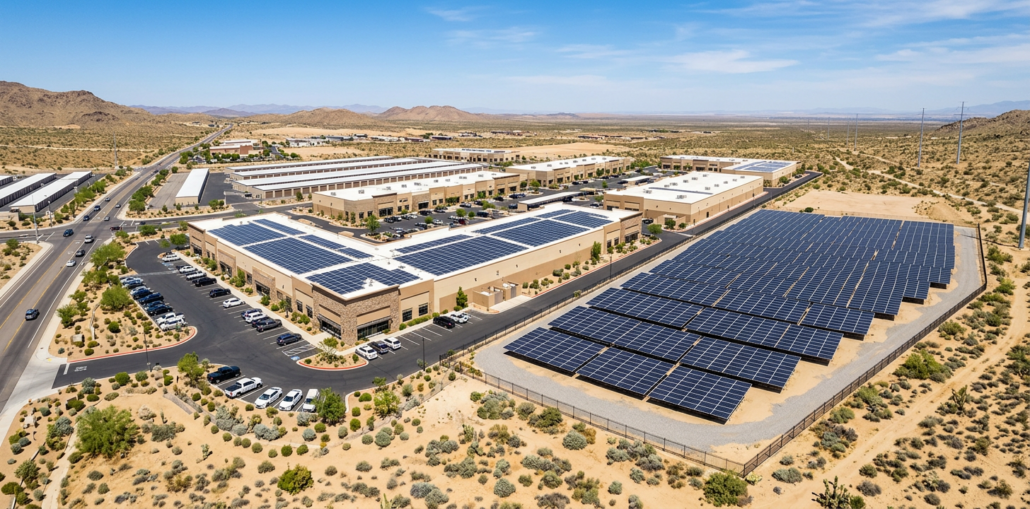
For many businesses, the solar decision doesn’t start with panels. It starts with space, roof condition, utility bills, financing, and whether the project can be installed without disrupting operations.
That’s why commercial roof mount solar vs ground mount is such a practical comparison for property owners, dealers, sales reps, and channel partners. The right choice can affect project cost, permitting speed, energy output, maintenance access, and the client’s confidence in the company behind the work.
Here’s the thing, neither option is automatically better. A retail plaza in Phoenix may benefit from roof-mounted solar, while a church campus in rural Texas or a light industrial site outside Las Vegas may have enough land to make ground-mount solar the smarter long-term play.
Commercial Roof Mount Solar vs Ground Mount at a Glance
| Factor | Roof Mount Solar | Ground Mount Solar | Best Fit |
|---|---|---|---|
| Space use | Uses existing roof | Uses open land | Depends on site |
| Design flexibility | Limited by roof | More flexible | Ground mount |
| Upfront cost | Often lower | Often higher | Roof mount |
| Maintenance access | Roof access needed | Easier access | Ground mount |
| Permitting complexity | Structural review | Civil and zoning review | Varies |
According to SEIA Solar Means Business 2024, rooftop commercial solar capacity grew at a 12% compound annual growth rate over the prior five years. That growth makes sense because many businesses already have unused roof area, especially warehouses, offices, retail centers, schools, churches, and multifamily properties.
When Roof Mount Solar Makes the Most Sense
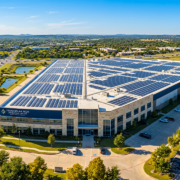
Roof-mounted commercial solar usually wins when the building has a strong, relatively new roof with open, unshaded space. It uses real estate that already exists, which can help protect parking, landscaping, yard space, or future expansion areas.
For dealers and sales reps, roof mount systems are often easier to explain to business owners. The pitch is direct, use the roof, reduce grid reliance, and align the system with the building’s daytime load.
Best Commercial Use Cases for Roof Mount Systems
Roof mount solar is especially strong for:
- Retail centers with large flat roofs
- Office buildings with predictable daytime usage
- Schools and churches with open roof sections
- Multifamily buildings with common-area loads
- Warehouses and light industrial facilities
The biggest caution is roof readiness. If the roof needs replacement soon, the solar project should be timed with that work. Removing and reinstalling panels later can add avoidable cost and client frustration.
When Ground Mount Solar Is the Better Choice
Ground-mounted solar shines when a property has available land and the client wants more design flexibility. Ground systems can be positioned for strong production, easier maintenance, and future expansion.
The tradeoff is that ground mount projects often require more site work. Soil conditions, trenching, fencing, stormwater requirements, local zoning, and setback rules can all affect cost and schedule.
Best Commercial Use Cases for Ground Mount Systems
Ground mount solar can be a strong fit for:
- Schools with unused acreage
- Churches and nonprofit campuses
- Light industrial properties with open land
- HOAs with shared common areas
- Agricultural or rural business sites
- Large properties in Arizona, Nevada, and Texas
The National Renewable Energy Laboratory PV cost benchmark has noted that rooftop applications can have lower costs than commercial ground-mount systems in some smaller project scenarios. That doesn’t mean ground mount is a poor investment. It means site selection and engineering discipline matter.
Cost, ROI, and Incentive Planning
Commercial roof mount systems may have a lower installed cost when the roof is solar-ready and interconnection is straightforward. Ground mount systems may cost more upfront, but they can produce more energy if the site allows better orientation, fewer obstructions, and easier layout expansion.
For business owners, the real question is not just installation cost. It’s lifetime value. A slightly higher-cost system can still be the better financial choice if it produces more usable energy, reduces demand exposure, supports battery storage, and lowers operating risk.
For 2026 projects, tax planning needs careful review. The IRS Instructions for Form 3468 explain clean electricity investment credit rules, prevailing wage and apprenticeship requirements, and restrictions affecting certain wind or solar facilities placed in service after 2027 when construction began after July 4, 2026. This is not tax advice, but it is a reminder that commercial clients should involve qualified tax professionals early.
Maintenance and Long-Term Reliability
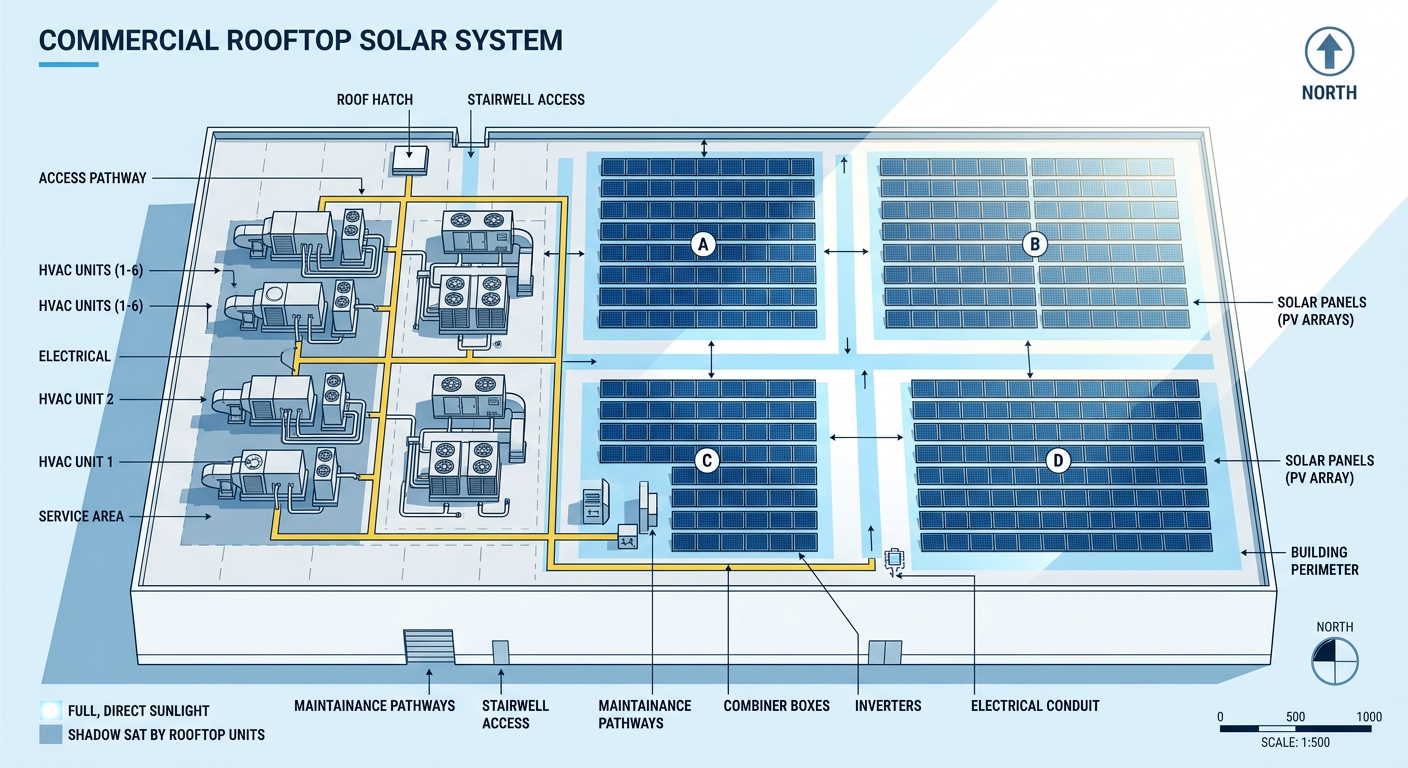
Roof mount systems need safe roof access, clear walkways, and coordination with roofing teams. If an HVAC unit, membrane repair, or roof drain issue needs attention, the solar layout should allow service teams to work safely.
Ground mount systems are often easier to inspect and clean, but they need land management. Vegetation, fencing, drainage, and security become part of the maintenance plan.
This is where installer reputation becomes a sales asset. Dealers don’t just need a company that can install panels. They need a partner that communicates clearly, documents work properly, and protects the dealer’s name after the contract is signed. Independent Solar supports that mindset through commercial-grade installation, structured partner support, and a reputation-focused approach. You can review real customer feedback on the Independent Solar reviews page.
How Dealers Should Position the Options
A strong B2B solar conversation should feel consultative, not scripted. Instead of forcing one option, compare the site, business goals, roof condition, available land, utility rate structure, and long-term ownership plan.
For dealers, this builds trust fast. A client can tell when you’re helping them make the right decision instead of trying to push the fastest close.
A Simple Dealer Conversation Framework
Use these questions in discovery:
- How old is the roof, and when is replacement planned?
- Is there unused land that will not affect operations?
- Are utility costs driven mostly by energy usage, demand charges, or both?
- Does the client need battery storage or backup power?
- Are sustainability goals part of the buying decision?
- Will the property expand in the next five to ten years?
If you sell solar and want a stronger installation partner behind you, you can apply to become a solar dealer with Independent Solar. A reliable dealer program can help reps protect credibility while serving commercial buyers with better project execution.
Battery Storage Can Change the Decision
Battery storage can make either mounting option more valuable. A rooftop system paired with batteries may help an office or retail building use more on-site solar power during peak rate periods. A ground mount array paired with storage may support larger energy goals for campuses, industrial sites, or properties with critical loads.
For more context on storage value, read Independent Solar’s guide to commercial battery storage benefits for businesses and dealers. Storage is especially relevant in hot-weather markets where HVAC demand can drive expensive peaks.
FAQ
Is roof mount solar cheaper than ground mount for commercial buildings?
Often, yes, if the roof is in good condition and structurally suitable. Roof mount solar uses an existing surface, while ground mount systems can require site prep, foundations, trenching, fencing, and civil work.
Does ground mount solar produce more energy?
It can. Ground mount systems usually offer more control over tilt, orientation, spacing, and shading, which can improve production when land is available and well suited.
Which option is better for dealers to sell?
The better option is the one that fits the client’s property and financial goals. Dealers build stronger reputations when they guide clients through a clear comparison instead of pushing one design every time.
Can commercial roof mount solar damage a roof?
A properly designed and installed system should protect roof integrity, but roof age and condition matter. Always assess the roof before installation and coordinate with roofing professionals when needed.
Can businesses add battery storage to either system?
Yes. Battery storage can pair with roof mount or ground mount solar. The best design depends on load profile, utility rates, backup needs, and available electrical infrastructure.
How should a business choose between the two?
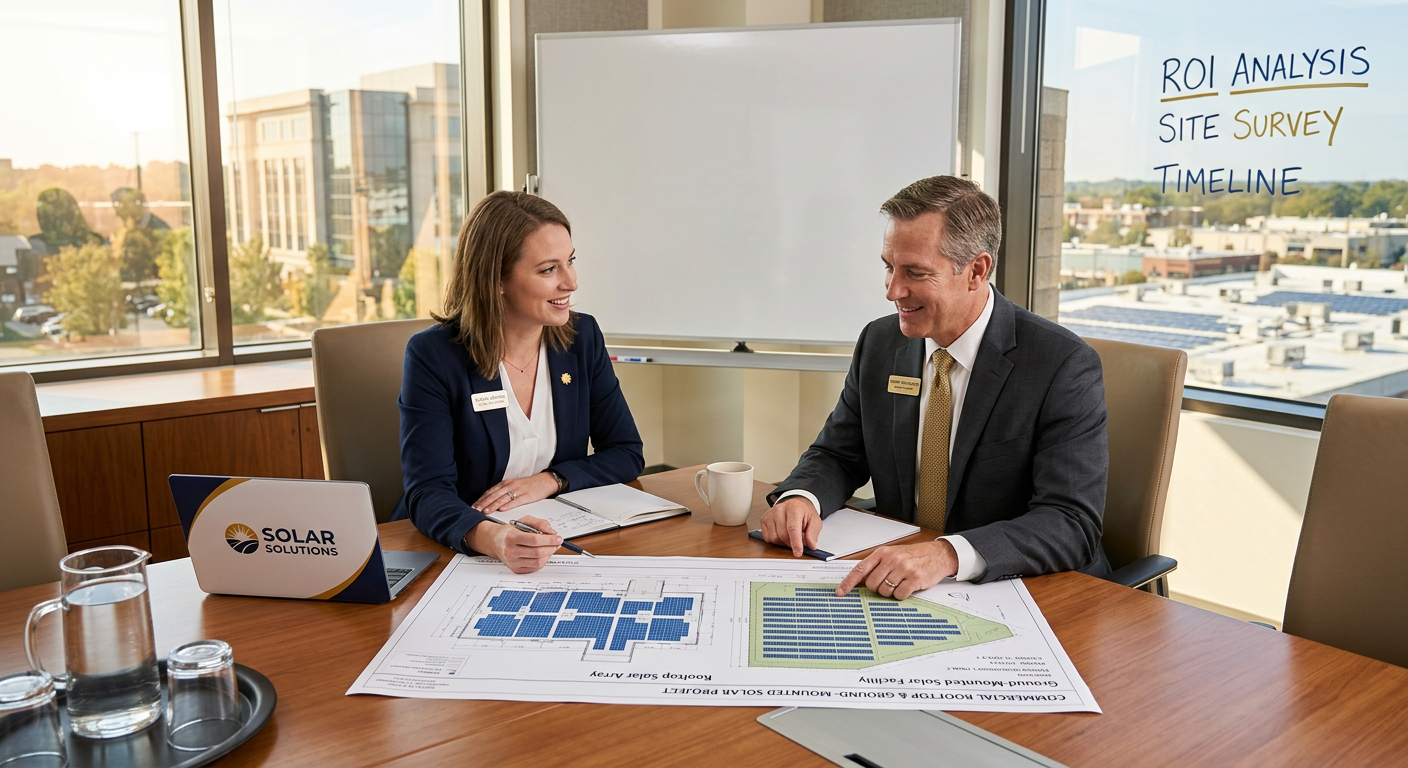
Start with a site assessment, roof review, land review, utility bill analysis, and ROI model. Then compare cost, production, permitting, maintenance, and future expansion needs.
Build Better Commercial Solar Deals With the Right Partner
If you’re a dealer, sales rep, or channel partner, the installer behind your deal can strengthen or weaken your reputation. Independent Solar works with serious partners who value transparent support, commercial-grade execution, and long-term client confidence.
Ready to grow with a team built for reliable solar partnerships? Apply to become a solar dealer with Independent Solar and see whether the program is a fit for your market.
Conclusion
The choice between roof mount and ground mount solar comes down to site conditions, business goals, and long-term economics. Roof mount often wins for cost efficiency and space use, while ground mount can win on flexibility, access, and production potential.
For property owners, the best next step is a professional site review. For dealers, the bigger lesson is simple, sell the right system for the right site and align with a partner that protects your credibility long after installation day.


 Arizona:
