
Commercial Solar Installer Reviews: B2B Trust Scorecard Guide
Commercial Solar Installer Reviews: B2B Trust Scorecard Guide
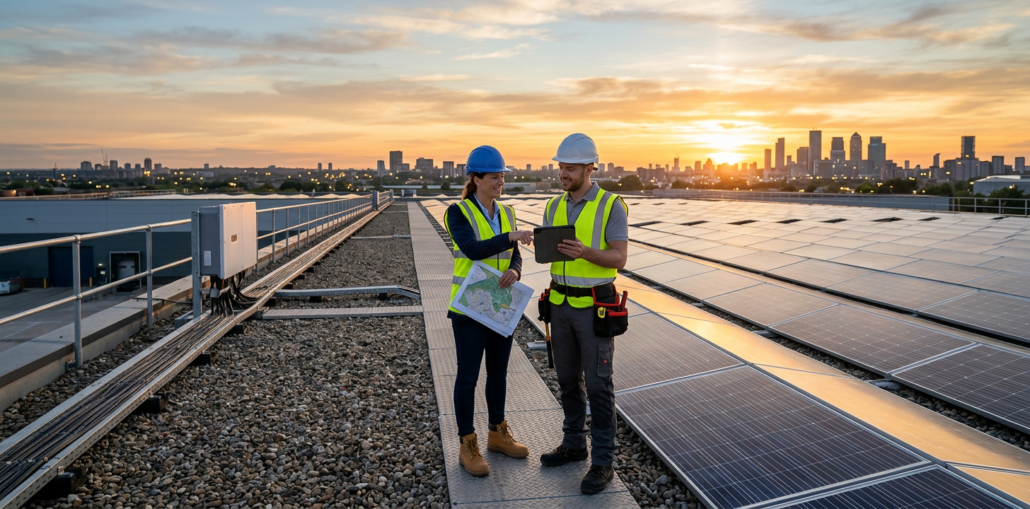
A commercial solar proposal can look impressive long before a crew arrives on-site. The real test comes later, when the installer must coordinate engineering, permitting, utility interconnection, construction schedules, commissioning, and service requests without creating friction for the client or the sales partner.
That is why commercial solar installer reviews should be part of a broader due-diligence process, not a quick star-rating check. For property owners, reviews help reveal how an installer handles real project pressure. For dealers and sales reps, they help answer an even more important question: can we confidently attach our reputation to this company?
Commercial buyers across Arizona, Nevada, and Texas often have more at stake than a single power bill. Retail centers, hospitality sites, offices, multifamily properties, schools, churches, and light industrial facilities need clear financial assumptions, minimal operational disruption, and a partner that remains available after the system is energized.
What Reviews Can Reveal Before You Sign
Reviews are most useful when we read them for recurring patterns rather than searching for a perfect record. Every construction business may receive an occasional negative comment. What matters is whether feedback repeatedly points to delayed communication, unclear financing, missed milestones, workmanship issues, or difficulty getting help after installation.
The U.S. Department of Energy recommends reviewing an installer's credentials, experience, transparency, and customer feedback before making a selection. It also advises buyers to ask past clients about their installation experience and the way the company communicates. Read the Department of Energy guidance.
For commercial decision-makers, we recommend separating feedback into four practical categories:
| Review Signal | What It Tells Us | Why It Matters for B2B |
|---|---|---|
| Communication | Responsiveness and clarity | Protects client confidence |
| Project delivery | Scheduling and coordination | Limits business disruption |
| Workmanship | Installation quality and cleanup | Supports long-term performance |
| Service follow-through | Warranty and maintenance support | Preserves referrals and renewals |
Look Beyond the Star Rating
A high average rating is encouraging, but it does not replace context. Read recent reviews in full, especially those that mention project type, timeline, system performance, post-install support, and the company's response when a question or problem arose.
For a commercial solar system, a useful review describes more than the panels. It may discuss proposal accuracy, roof coordination, electrical work, utility paperwork, training on monitoring software, or the process for resolving a service need. These details are far more valuable than generic praise.
Compare the Review Record to the Proposal
The contract and proposal should support what the reviews suggest. If customers consistently praise clear communication, the installer should be able to show a defined project timeline, decision points, responsibilities, and escalation process.
Likewise, claims about long-term support should be backed by warranty documentation, monitoring plans, maintenance options, and a clear explanation of who manages equipment issues. Review feedback is evidence, but documentation is the operational proof.
Why Reputation Affects Commercial Solar ROI
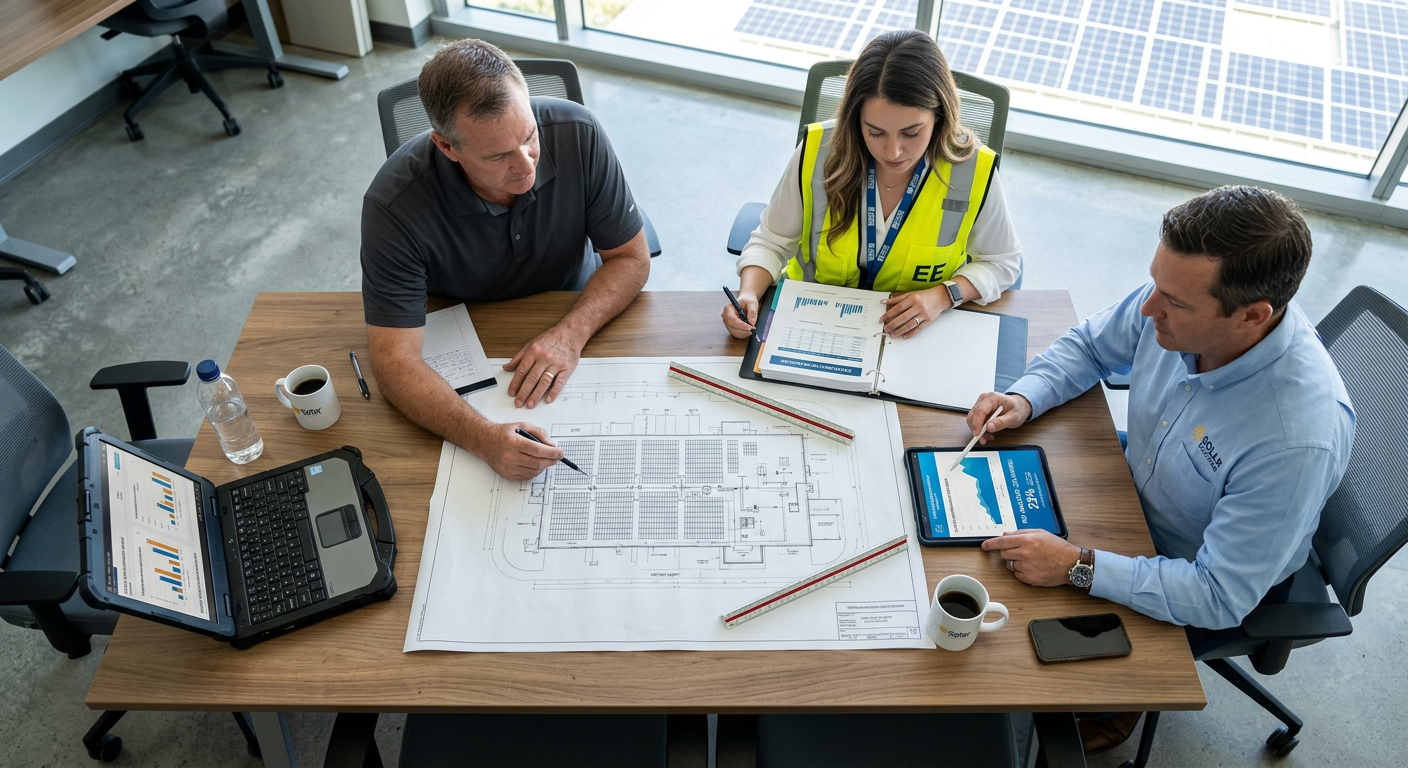
Solar ROI is not only about equipment cost, production estimates, and incentives. Poor project execution can create delays, operational headaches, rework, and lost confidence among tenants, owners, boards, or investors. A lower initial price can lose its appeal quickly if the installer cannot manage the full project lifecycle.
A strong review record can signal that an installer understands the customer experience surrounding the hardware. In a National Renewable Energy Laboratory study of 1,662 solar adopters, the average Net Promoter Score was 52 for installers, while the score for solar panels was 63. The gap is meaningful: customers may like solar technology while still feeling less enthusiastic about the company that sold or installed it. Explore the NREL customer-experience findings.
That finding matters for dealers. A sales partner can explain system economics perfectly, but a weak installation experience may still reduce referrals and future opportunities. The installer is part of the value proposition, not simply the construction vendor behind it.
Review Financial Claims With the Same Discipline
Commercial customers should ask how projected savings were modeled. A sound analysis accounts for interval usage data when available, utility rate structures, demand charges, system orientation, shading, degradation assumptions, financing terms, and available incentives.
Battery storage can strengthen the value proposition for properties with high demand charges, critical loads, time-sensitive operations, or outage concerns. Still, storage should be designed around a facility's load profile and operational priorities, not added as a one-size-fits-all upgrade.
Tax incentives can also materially affect project economics, but eligibility and tax treatment depend on project facts. Businesses evaluating a project can review the fundamentals in this commercial solar tax credit guide and should coordinate with qualified tax and legal advisors before relying on any estimate.
A Review Checklist for Property Owners and Channel Partners
The best commercial solar installer reviews help us form better questions. Use the following checklist during discovery calls, reference checks, and proposal comparisons.
Confirm Similar Commercial Experience
Ask for examples involving comparable building types, roof conditions, utility environments, and project sizes. A company that primarily installs residential systems may not have the same processes needed for a retail plaza, school campus, warehouse, HOA common area, or multifamily portfolio.
Commercial experience should include the ability to discuss structural review, safety requirements, electrical design, utility coordination, production modeling, construction scheduling, and system commissioning. A credible installer can explain these steps without hiding behind vague promises.
Ask for References, Not Just Testimonials
Online feedback is useful, but direct references provide another layer of validation. Ask to speak with businesses whose projects resemble yours and prepare specific questions about timing, change orders, communication, system activation, monitoring, and service after completion.
This is also where dealers can protect their brand. When a prospective client asks, “What happens after I sign?” the answer should be specific, documented, and consistent with what previous customers report.
Evaluate How the Company Responds to Criticism
The response to a negative review can be as informative as the review itself. Professional replies acknowledge concerns, avoid blame, protect customer privacy, and explain the next step where appropriate. Defensive or dismissive responses can suggest a culture that may be difficult to work with during a complex project.
We should not expect perfection. We should expect accountability, clear communication, and a process for resolving issues.
Validate Long-Term Operations and Maintenance
A solar system is a long-lived energy asset. Ask who monitors production, how maintenance requests are submitted, what happens when an inverter or module issue occurs, and whether the installer supports repairs, upgrades, or battery additions.
The Department of Energy notes that system performance data can support better understanding of long-term photovoltaic operation. Its PV Fleet Initiative has logged data from 2,200 solar sites, representing about 10 percent of non-residential PV systems. Learn about the initiative. For owners, that reinforces the importance of monitoring and ongoing support, not just initial installation.
What Dealers Need From a Solar Installation Partner
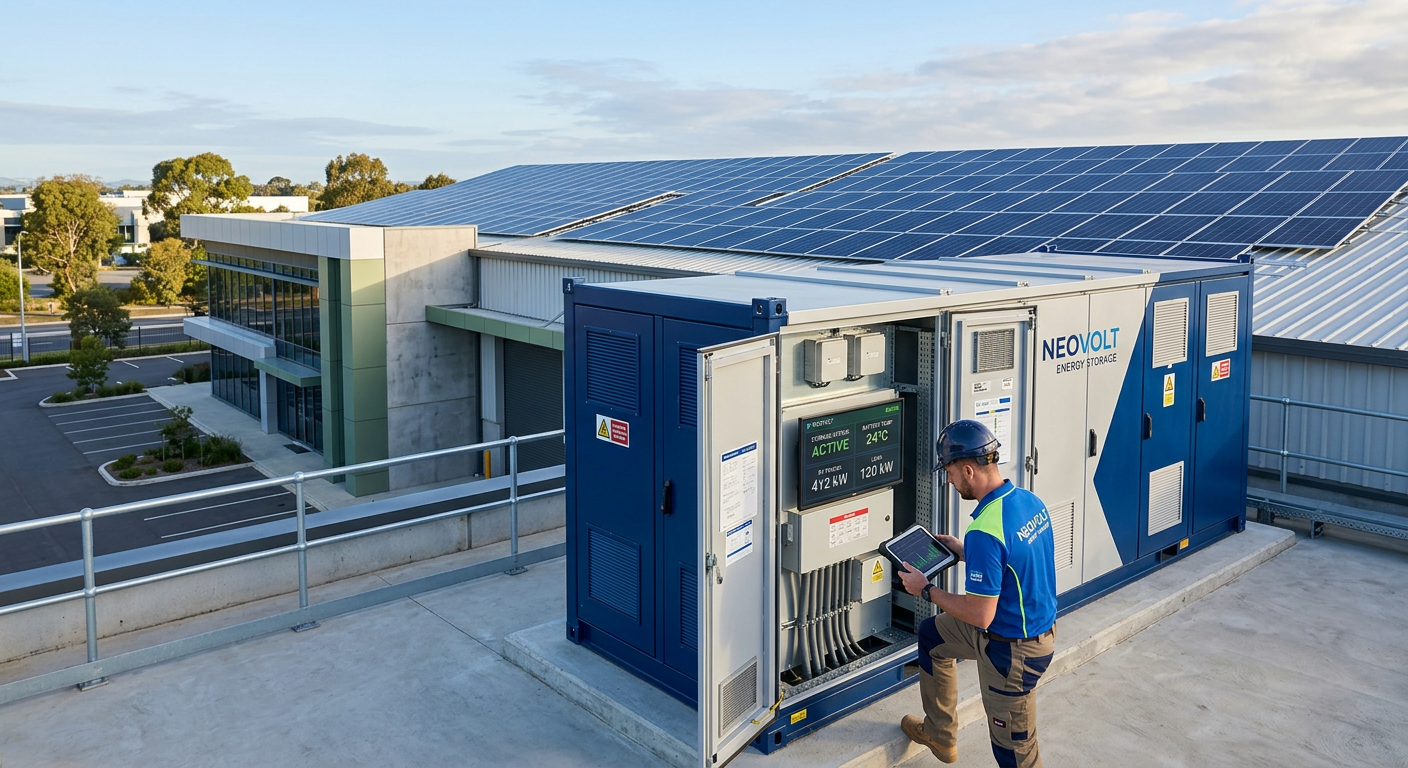
For sales reps and channel partners, reputation is a business asset. We earn trust through the relationship, but project delivery determines whether that trust grows into repeat business or turns into a difficult follow-up call.
Independent Solar supports commercial-grade solar, battery storage, system upgrades, maintenance, repairs, financing guidance, and tax-credit coordination for businesses and partner networks. We encourage prospective partners to evaluate our public feedback through our Independent Solar reviews page and to compare that evidence with their own standards for responsiveness, project management, and long-term accountability.
A dealer-friendly partnership should provide practical support, including:
- Transparent commission expectations and straightforward onboarding
- Commercial design and proposal support for more complex opportunities
- Clear ownership of permitting, utility coordination, construction, and commissioning
- Consistent client updates that help sales partners stay informed
- Long-term support that reduces the risk of reputation damage after the sale
Partners who want to explore this model can apply to become an Independent Solar dealer. The right relationship lets sales professionals focus on client relationships and pipeline growth while working with an installation team built to support commercial delivery.
Questions Businesses Should Ask During a Review
How recent are the reviews?
Prioritize recent feedback because staffing, processes, service capacity, and project volume can change. Read a range of reviews over time, then compare those patterns with current references and the scope of the proposed project.
Are commercial reviews different from residential reviews?
Yes. Commercial projects involve more stakeholders, longer timelines, utility coordination, construction scheduling, and larger financial decisions. Look for feedback that addresses business operations, project management, documentation, and service continuity.
Should we choose the lowest commercial solar bid?
Not automatically. Compare the full scope, equipment, warranties, production assumptions, exclusions, construction plan, service model, and reputation of each installer. The lowest initial price may not deliver the strongest lifetime value.
How do reviews help solar dealers close more business?
Reviews offer social proof that reduces perceived risk for prospects. When dealers can point to a consistent record of communication and follow-through, they can have more confident conversations about what the client should expect after signing.
Is battery storage worth including with commercial solar?
It can be a strong fit for facilities with demand charges, critical equipment, peak-load challenges, or resilience goals. The decision should follow an analysis of interval data, tariff rules, backup priorities, and the expected financial value of dispatching the battery.
Where can we see feedback about Independent Solar?
You can review customer experiences, satisfaction feedback, and reputation signals on the Independent Solar reviews page. We recommend reading the feedback alongside your proposal, references, scope documents, and warranty terms.
Build a Stronger Commercial Solar Partnership
Commercial solar installer reviews are valuable because they show how a company performs when the work becomes real. They help us assess whether an installer can match its sales promises with organized delivery, transparent support, and dependable long-term service.
For business owners, that process helps protect capital and operational continuity. For dealers and sales reps, it protects the relationships that generate referrals, repeat projects, and sustainable growth. Strong solar economics matter, but a trustworthy installation partner is what makes those economics credible.
Become a Solar Dealer With Independent Solar
If you are building a commercial solar pipeline and want a partner that understands the importance of your client relationships, apply to become an Independent Solar dealer. We provide transparent commissions, structured support, commercial-grade installation capability, and a process designed to help partners represent solar with confidence.
Before you align your brand with any installer, review the proof. Visit our customer reviews and installation feedback, then submit a dealer application when you are ready to discuss a partnership.






 Arizona: