
Commercial Solar Financing Options for Business Owners
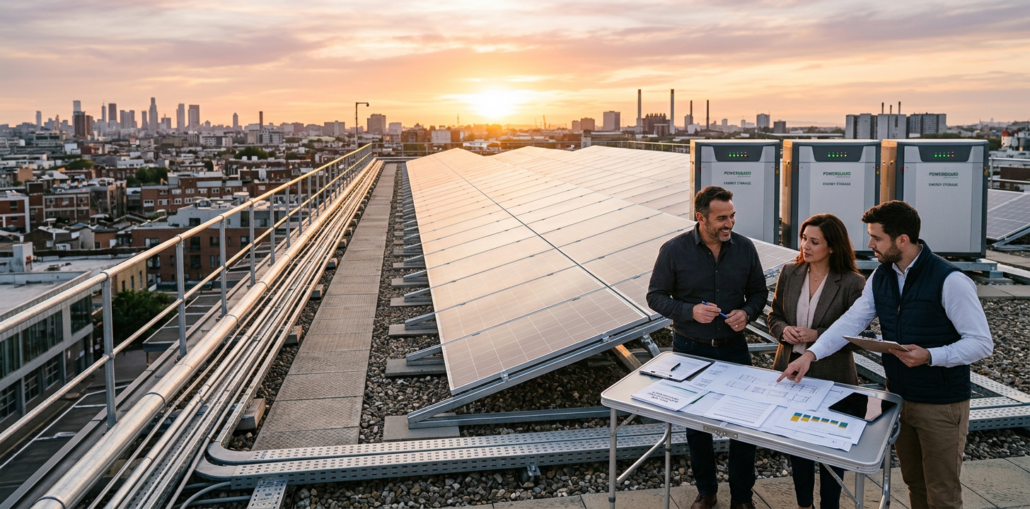
Commercial energy decisions usually come down to one question, does the project make business sense over time? That is why commercial solar financing options matter so much. The right structure can protect cash flow, improve ROI, and make it easier to move a project forward without tying up capital you need elsewhere.
For dealers, sales reps, and channel partners, financing is not just a payment method. It is part of the trust equation. When you can explain the options clearly, you look more credible, close more deals, and help customers feel confident about working with a reliable installer like Independent Solar.
Why Financing Matters in Commercial Solar
Commercial solar is often a strategic investment, not a simple purchase. Property owners want lower utility costs, better budget predictability, and long-term asset value, but they also want to avoid large upfront expenses.
That is where financing becomes powerful. Instead of waiting years to build internal capital reserves, businesses can use financing to spread costs over time while potentially capturing incentives and savings sooner.
Independent Solar also understands that reputation matters. If you are a dealer or sales partner, aligning with a company that has strong reviews and dependable support can make it easier to win trust from commercial buyers. You can review real customer feedback on the Independent Solar reviews page and explore partnership opportunities through the Become a Dealer application.
Main Commercial Solar Financing Options
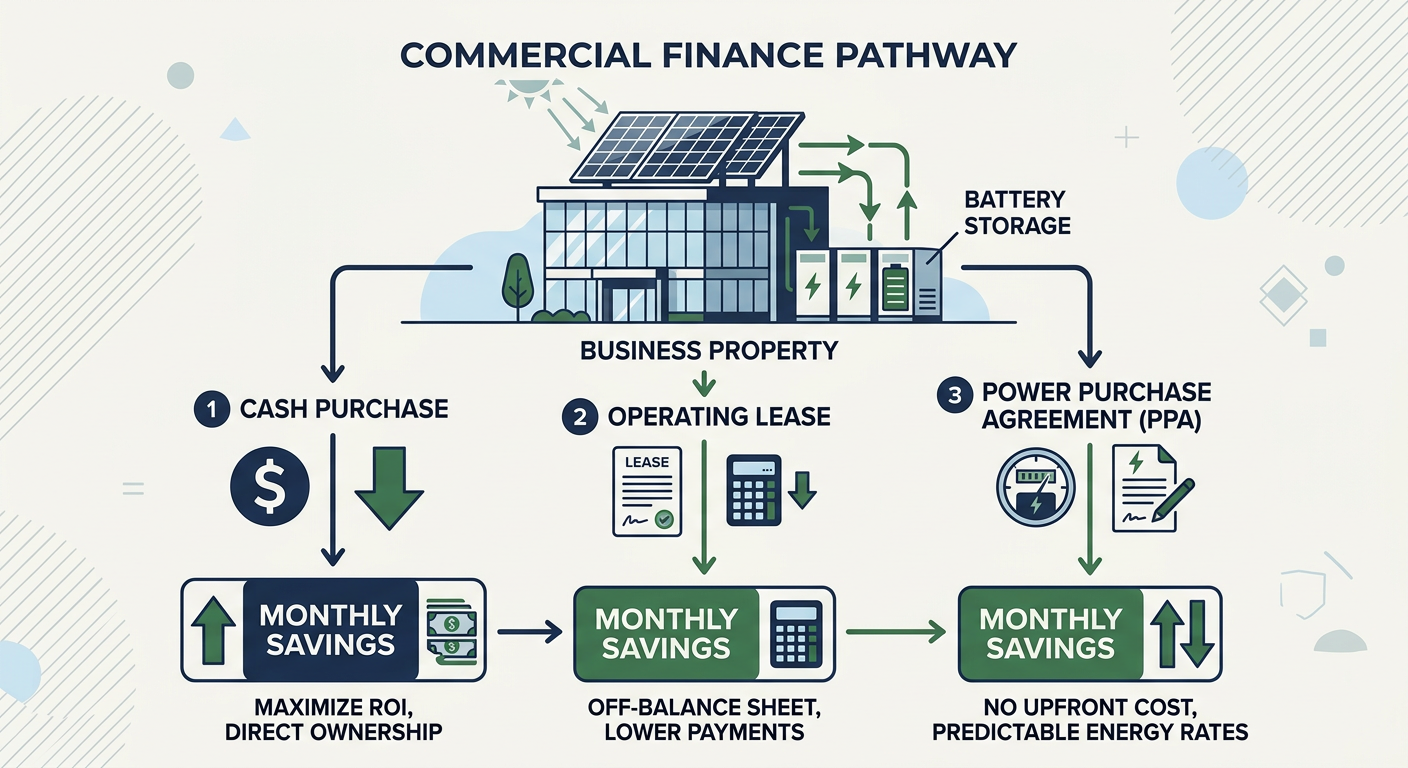
1. Cash Purchase
A cash purchase usually delivers the simplest ownership structure. You pay upfront, own the system immediately, and keep the long-term savings.
This option often appeals to buyers who want maximum control and a straightforward return profile. It can also make tax-credit planning easier, depending on the business’s tax position.
2. Solar Loan
A solar loan lets a business finance the system and pay it back over time. This can preserve capital for operations, hiring, inventory, or expansion.
Loans are often a strong fit for property owners who want ownership benefits without the full upfront price tag. For dealers, loans can also help shorten the sales cycle because the monthly payment is easier to compare against utility savings.
3. Solar Lease
With a lease, the business pays to use the system instead of owning it outright. That can reduce initial expense and make the project more accessible.
Leases may work well for organizations that want predictable payments and lower up-front friction. The tradeoff is that the economics and tax benefits may look different than direct ownership, so it is important to compare the total value carefully.
4. Power Purchase Agreement
A power purchase agreement, or PPA, lets the customer buy the solar electricity rather than the equipment itself. The host site typically pays for energy at a contracted rate.
This structure can be attractive for organizations focused on immediate operating savings with little or no capital outlay. It is especially useful when a client wants solar benefits but prefers not to manage system ownership.
5. Hybrid Structures and Battery-Ready Financing
Many commercial buyers now want battery storage as part of the conversation, especially in markets like Arizona, Nevada, and Texas where resilience and demand management matter.
A hybrid approach can combine solar with storage financing to help businesses handle peak demand, outage risk, and energy planning more strategically. If you are exploring this angle, it is worth discussing system design and storage options early in the process, such as the solutions covered on the battery storage page and the commercial solar overview.
How to Choose the Right Structure
The best financing option depends on more than the monthly payment. You should look at tax position, site ownership, usage profile, operating budget, and long-term business goals.
Here are a few practical questions to ask:
- Do you want to own the system or simply benefit from the savings?
- Is upfront capital available, or do you need to preserve cash flow?
- Can your business benefit from tax incentives directly?
- Do you expect to stay at the property long enough to capture long-term value?
- Is battery storage part of the plan now or later?
For many businesses, the answer is not obvious at first. That is why professional guidance matters. Independent Solar helps owners and dealer partners navigate financing discussions while keeping the process clear and credible. If you are building your commercial pipeline, this is also one more reason to Become a Dealer and work with a partner that supports the full sales conversation.
What Dealers and Sales Partners Should Emphasize
If you are a dealer or rep, your job is not just to quote a system. Your job is to make the investment feel understandable and safe.
That means you should lead with:
- Cash flow impact, not just equipment cost
- Reliability and long-term support
- Transparent expectations on savings and payback
- Reputation and install quality
- Financing options that match the customer’s business model
Commercial buyers are often cautious, and for good reason. They are protecting their brand, their facility, and their operating budget. Working with a trusted installer can help you reduce friction and improve close rates. If you want a partner with a strong brand and real proof, point prospects to the reviews page and your dealer application resources.
Why Reputation Still Wins the Deal
Financing can get the conversation started, but trust closes the deal. A low monthly payment means little if the installer misses deadlines, communicates poorly, or leaves the customer unsupported after the install.
That is especially true for commercial properties where project execution affects tenants, operations, and sometimes brand image. Independent Solar focuses on professional installation, long-term reliability, and clear support, which is exactly what B2B partners need when they are protecting their own reputation.
FAQ
What is the most common commercial solar financing option?
Loan structures and cash purchases are often the most common because they can offer a clear ownership path. That said, leases and PPAs remain attractive for businesses that want less upfront commitment.
Does financing affect tax credit eligibility?
It can. Ownership-based structures may offer different tax treatment than leases or PPAs, so businesses should review the tax implications with a qualified advisor before signing.
Are commercial solar payments lower than utility savings?
In many cases, yes, but it depends on system size, usage profile, local rates, and financing terms. A good proposal should show a side-by-side comparison.
Can battery storage be financed too?
Yes, many projects can include storage in the financing structure. This is especially relevant for businesses that want resilience or demand-charge management.
Why should dealers care about financing?
Because financing makes projects easier to sell, easier to explain, and easier to scale. It also helps dealers work with larger commercial clients who prefer preserving capital.
How can I tell if a solar company is trustworthy?
Look for strong reviews, clear communication, commercial experience, and a track record of supporting clients after the install. You can start with the Independent Solar reviews page.
Become a Dealer With a Trusted Commercial Partner
If you are a sales rep, channel partner, or dealer looking to grow in commercial solar, the right installer relationship matters. Independent Solar offers commercial-grade installations, structured support, and a brand you can confidently represent.
If you are ready to expand your pipeline and work with a professional team, Become a Dealer today. You can also check customer feedback on the reviews page to see why trust and reputation make such a difference.
Final Takeaway
Commercial solar financing options are not one-size-fits-all, and that is a good thing. The best structure is the one that supports business goals, protects cash flow, and gives the customer confidence from day one.
For dealers and property owners alike, the real win is working with a partner that combines financing guidance, quality installation, and long-term support. That is how you build better projects, stronger referrals, and more durable commercial relationships.







 Arizona: