
Solar for HOA Common Areas: A Practical Guide
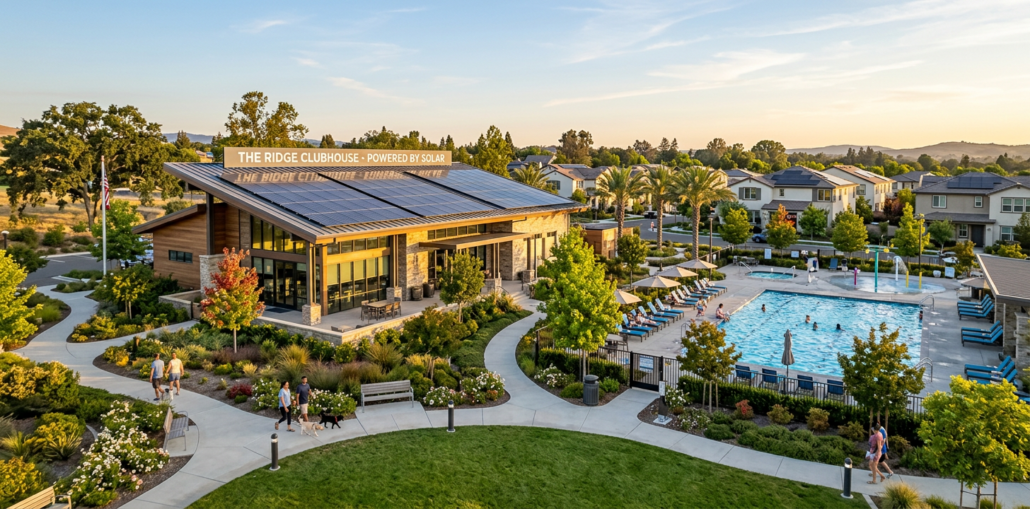
Solar for HOA common areas can do more than cut utility costs, it can also help communities create a smarter long-term operations plan. If you manage an HOA, sell into multifamily communities, or support property owners who care about predictable expenses, this is one upgrade worth understanding.
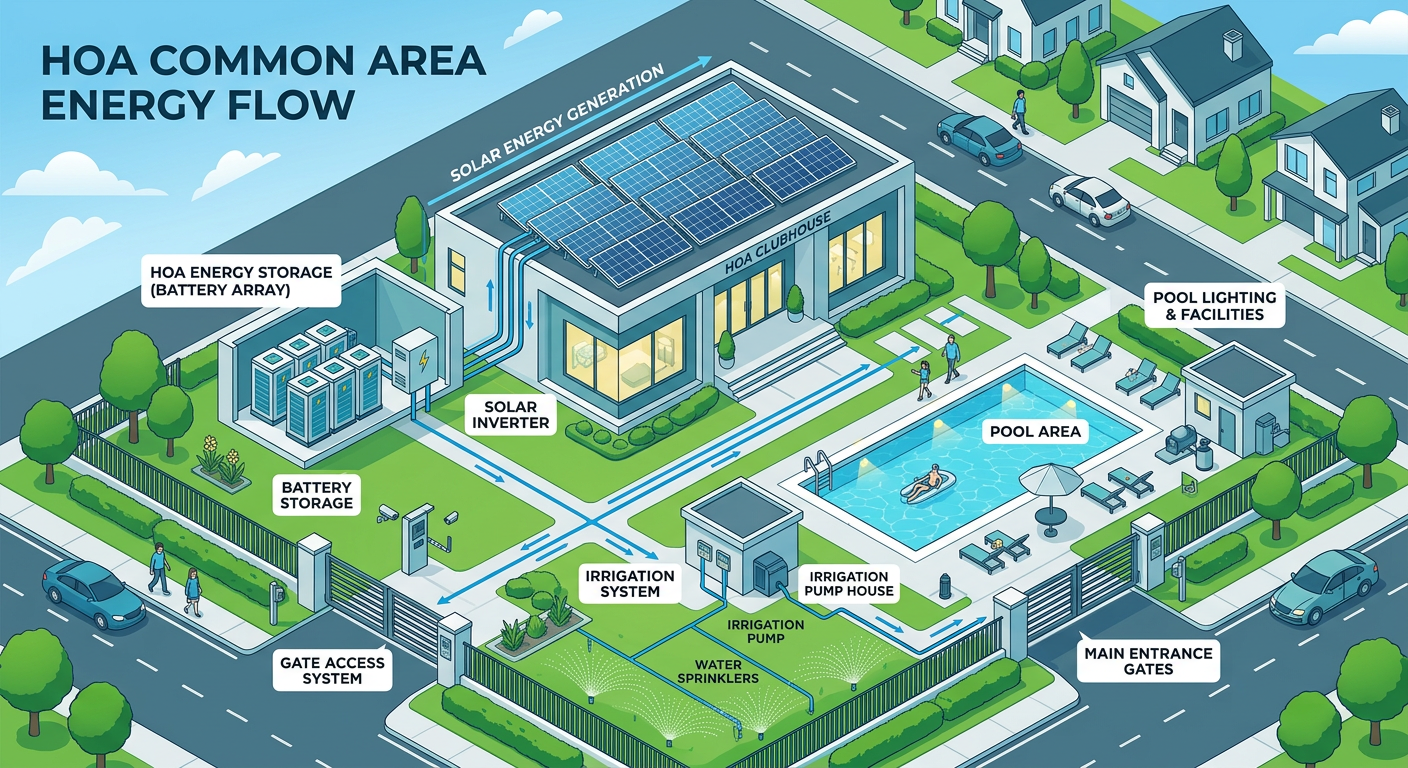
The real opportunity is not just the panels. It is the way solar can support lighting, gates, pool equipment, clubhouse systems, irrigation controls, and other shared loads that quietly drive monthly bills. For B2B partners, that makes solar for hoa common areas a strong conversation starter because it ties energy savings to visible property value.
Why HOA Common Areas Are a Strong Solar Fit
Common areas usually have steady daytime energy use, which is ideal for solar production. Clubhouses, pools, elevators, security systems, and exterior lighting all create recurring demand that can often be offset with a well-designed system.
For HOAs, the pitch is simple, lower overhead without changing the resident experience. For dealers and sales reps, the bigger win is that these projects are easier to explain when you lead with operating cost control, long-term reliability, and community value.
What Common Area Solar Can Power
HOA solar projects often work best when they focus on shared loads, not individual homes. Common examples include:
- Clubhouse HVAC and lighting
- Pool pumps and maintenance equipment
- Parking lot and walkway lighting
- Security gates, cameras, and access systems
- Irrigation controls and landscaping equipment
- Recreation centers and mail kiosks
That mix matters because these are the systems residents rely on every day. When energy costs rise, solar helps protect association budgets without forcing a major change in community operations.
Benefits for HOA Boards and Property Managers
HOA boards usually want three things, lower costs, fewer surprises, and a project that will not create extra headaches. Solar can support all three when it is installed by a team that understands commercial and community-scale property needs.
Predictable operating expenses
A solar system can reduce the portion of utility spending tied to common-area loads. That makes annual budgeting easier and can help reduce pressure on dues.
Better long-term asset planning
Solar is not just about this month’s bill. It can support the broader strategy of preserving community value while improving infrastructure.
Stronger resident perception
Residents notice when a community invests in visible efficiency upgrades. Solar can reinforce the idea that the HOA is proactive, modern, and financially responsible.
Why Battery Storage Can Help HOA Properties
Not every HOA needs battery storage, but it can be a smart fit for certain common-area applications. If the property relies on security lighting, gate systems, or critical equipment that should stay online during outages, storage adds resilience.
Battery storage can also help with load management and backup power for select systems. For communities in Arizona, Nevada, and Texas, where heat, peak demand, and reliability concerns can all affect utility strategy, that extra layer can matter a lot. If you want a deeper look at storage options, solar battery storage solutions are worth reviewing.
What Makes an HOA Solar Project Different
HOA projects are not the same as standard commercial installs. There are board approvals, architectural review steps, utility coordination, and sometimes resident communication considerations. That means your installer needs more than technical skill, they need process discipline.
Here is what to look for:
- Clear proposals and documentation
- Experience with multifamily or community properties
- Strong communication from design through closeout
- Reliable timelines and service after installation
- A reputation you can feel comfortable presenting to a board
That last point matters. If you are a dealer or sales partner, your credibility depends on the company behind you. This is why many partners prioritize Become a Solar Dealer opportunities with firms that can actually deliver.
Reviews Matter More Than Ever
HOA boards are cautious for a reason. They are making decisions that affect dozens or hundreds of residents, so trust is everything. Before recommending a contractor, it helps to review actual customer feedback and installation experience.
A strong reputation can shorten the sales cycle, reduce objections, and make board conversations easier. If you want proof points before bringing a company into a community discussion, check the latest reviews and customer feedback.
How Dealers and Sales Reps Benefit
For dealers and channel partners, HOA common-area solar can be a valuable niche because it blends recurring utility savings with visible community impact. These projects can open doors to repeat business across multifamily, retail centers, churches, schools, and light industrial sites.
Independent Solar is built for partners who want a professional brand, transparent support, and commercial-grade execution. If you are looking to Become a Solar Dealer, this kind of project can help you expand into higher-value conversations without sacrificing reputation.
FAQ
Is solar for HOA common areas actually worth it?
Yes, especially when the common areas have steady daytime usage. The value comes from offsetting recurring utility costs and improving long-term budget stability.
What common areas are the best candidates for solar?
Clubhouses, pools, exterior lighting, gate systems, and irrigation controls are some of the most common and practical starting points.
Do HOAs need battery storage too?
Not always, but it can be helpful for backup power, peak management, and critical loads like gates or security systems.
How long does an HOA solar project usually take?
Timelines vary based on approvals, utility interconnection, and system size. Community projects often take longer than a simple rooftop install because of the extra coordination involved.
Why should dealers care about HOA projects?
They create a strong path to commercial-style opportunities, repeat referrals, and a reputation for serving organized, budget-conscious property owners.
How can an HOA know if a solar company is reliable?
Look for transparent communication, documented experience, and real customer reviews. A good reputation is often the clearest signal of a well-run installation partner.
Ready to Explore Solar for Your Community?
If you manage HOA properties, advise boards, or sell into the commercial and multifamily space, solar for common areas can be a smart, reputation-friendly way to create value. The key is choosing a partner that understands the stakes and communicates clearly from day one.
To explore partnership opportunities, visit Become a Solar Dealer. If you want to see how trust shows up in real projects, review the company’s customer feedback and reviews.
Final Thoughts
Solar for HOA common areas is not just an energy upgrade. It is a budget strategy, a property value play, and a practical way to modernize shared spaces. For dealers and property stakeholders alike, the best results come from working with a solar company that delivers quality, support, and a reputation you can stand behind.




 Arizona:
