
Commercial Solar Roof vs Ground Mount: Choose for Better ROI
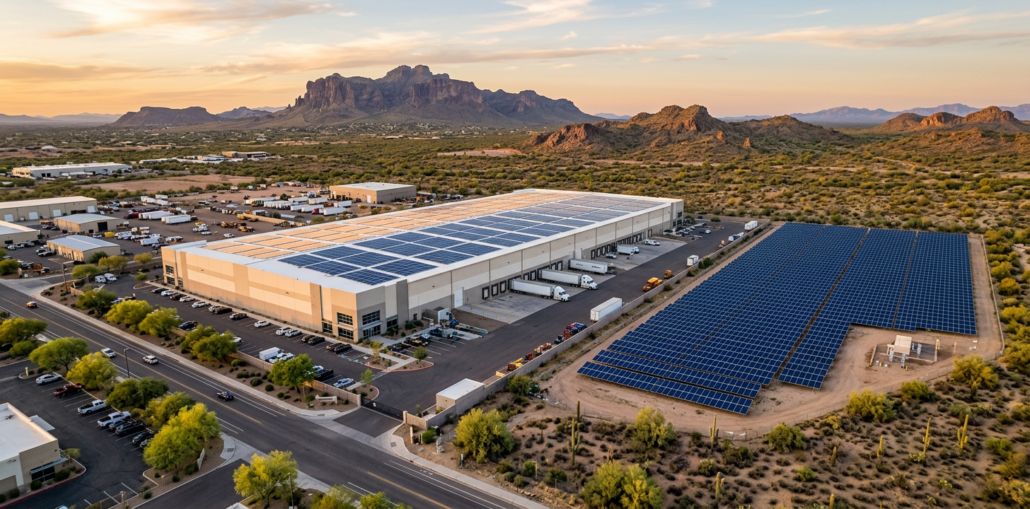
A commercial solar proposal should not begin with a panel count. It should begin with the property, the utility bill, and the business case the owner will still be comfortable defending years from now. For commercial clients, choosing the wrong mounting approach can create avoidable costs, limit future expansion, or complicate operations.
That is why commercial solar roof vs ground mount is more than a design question. It is a decision about usable space, energy output, maintenance access, permitting, capital planning, and the credibility of everyone presenting the project. For dealers and sales representatives, a site-specific recommendation protects the client relationship and makes the sale easier to stand behind.
The Fast Comparison for Commercial Properties
| Decision factor | Rooftop solar | Ground-mount solar | Stronger fit |
|---|---|---|---|
| Uses existing space | Yes | Requires open land | Dense properties |
| Design flexibility | Limited by roof | Highly flexible | Large sites |
| Upfront site work | Often lower | Often higher | Ready roofs |
| Service access | Requires roof safety | Ground-level access | Operations-focused sites |
| Expansion potential | Roof-area dependent | Usually easier | Campuses and industrial land |
The best outcome is not automatically the lowest installed price. We evaluate the full operating picture, including roof life, structural capacity, shading, available acreage, drainage, interconnection, demand profile, and planned changes to the property.
Commercial Solar Roof vs Ground Mount: The Core Tradeoffs
Rooftop solar turns unused building area into an asset
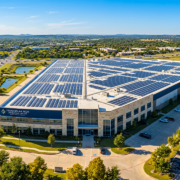
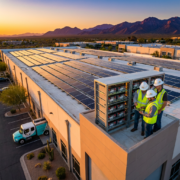
A roof-mounted array places generation where the facility already operates. This approach is frequently compelling for retail centers, office buildings, churches, schools, multifamily properties, hotels, and warehouses where land is limited or valuable for parking, deliveries, tenant access, recreation, or future development.
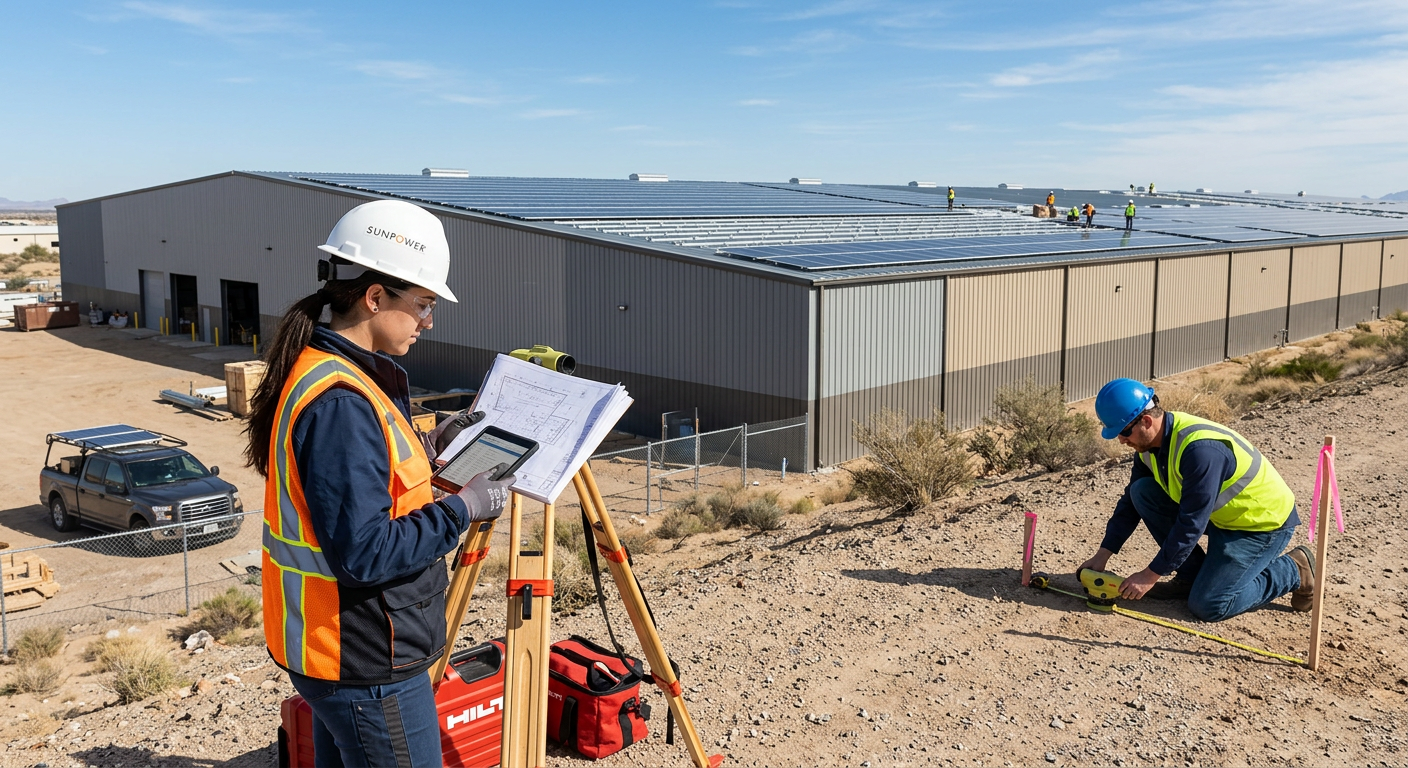
Rooftop systems can also reduce the need for grading, fencing, trenching, and other land-development work. However, the roof is not simply an empty platform. We need to account for its age, load capacity, drainage, warranty conditions, penetrations, HVAC equipment, skylights, fire-access pathways, and maintenance routes.
The National Renewable Energy Laboratory has found that smaller commercial rooftop systems can have lower costs than comparable ground-mount systems, while the difference can narrow as systems scale and ground mounts gain economies of scale. That is exactly why a meaningful comparison has to be tied to system size and site conditions, not a generic rule of thumb. NREL PV System Cost Benchmark (nrel.gov)
Ground mounts provide design freedom
A ground-mounted solar array uses dedicated racking on open property near the facility. For light industrial buildings, campuses, large churches, schools, agricultural-adjacent properties, and commercial sites with underused land, this can unlock capacity that the roof cannot support.
The system can often be laid out with more freedom around tilt, orientation, row spacing, equipment placement, and future phases. That flexibility may improve the ability to size the system around a facility's daytime load, rather than around roof obstructions and geometry. It can be particularly valuable where a roof has a short remaining life or costly structural limitations.
Ground-mount projects also introduce real site obligations. Owners should expect early diligence around civil design, geotechnical conditions, drainage, vegetation management, setbacks, fencing, access roads, easements, and local zoning. NREL's land-use research underscores that ground-based arrays require attention to both the array footprint and supporting infrastructure. NREL Land-Use Requirements Report (research-hub.nlr.gov)
What Drives ROI Beyond the Mounting Choice
Commercial buyers should compare net value, not only cost per watt. A project that looks inexpensive at contract signing can lose its advantage if it requires an unexpected roof replacement, creates a difficult service environment, or fails to align production with expensive utility periods.
Roof condition and timing
If a roof will need replacement during the solar system's operating life, coordinate those capital projects before installation whenever possible. Removing and reinstalling modules for roofing work creates expense, disruption, and schedule risk. A newer, structurally capable roof with clear exposure often strengthens the rooftop case substantially.
Available land and its opportunity cost
Open land is not always unused land. A business may need it for fleet parking, loading, storage, tenant amenities, drainage, future buildings, or resale value. Ground mount is a strong option when the land is genuinely available for the long term and the array will not interfere with higher-value operations.
Production, demand charges, and storage
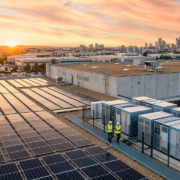
Energy production matters, but when production occurs matters too. Facilities with demand charges should model interval data and assess whether solar alone, or solar paired with battery storage, can reduce costly peaks. A battery may not be required for every site, but it can improve resilience and energy management for facilities with critical operations or sharp demand spikes.
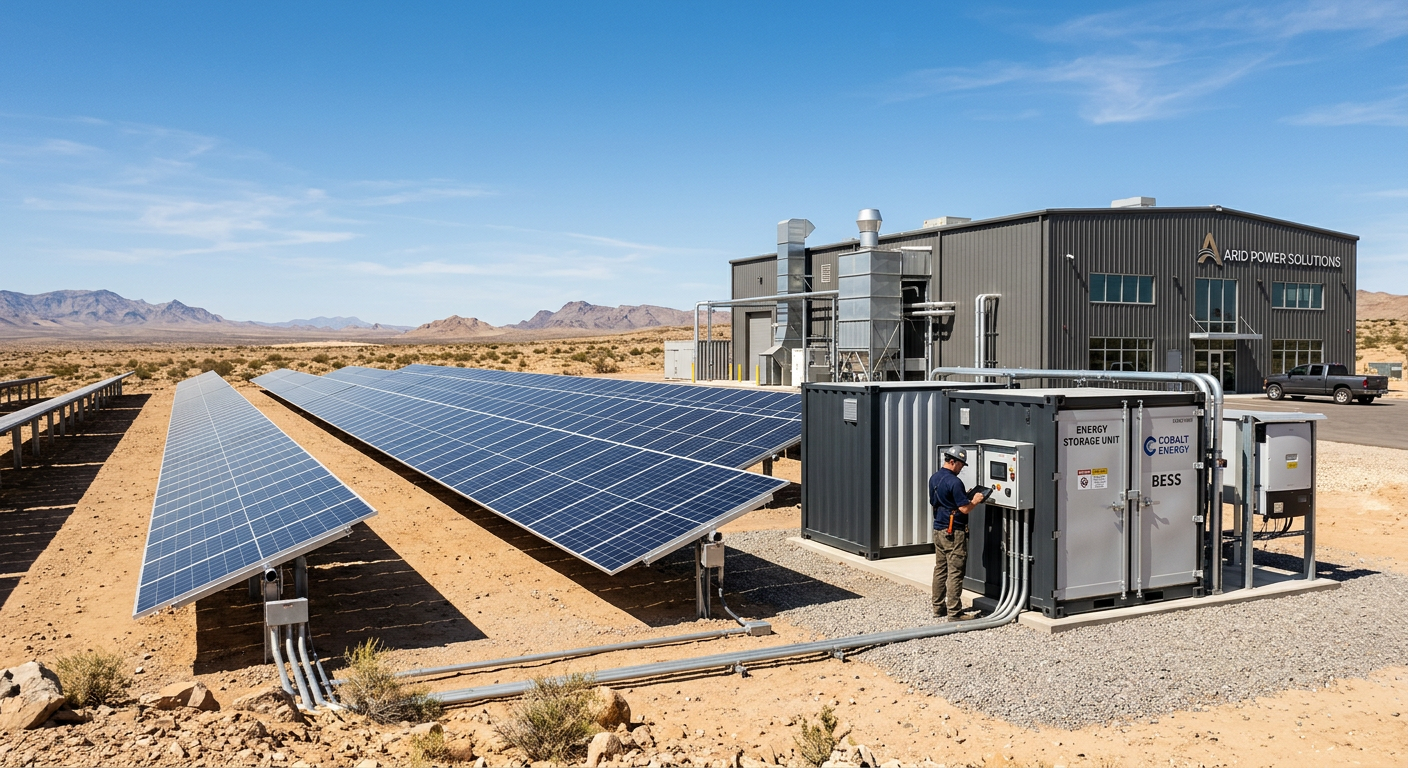
For larger, more operationally complex projects, an experienced team should show the customer production assumptions, savings methodology, demand-charge assumptions, and maintenance plan in plain language. Our guide to commercial solar operations and maintenance planning explains why long-term service expectations belong in the decision before a contract is signed.
Incentives and depreciation planning
Incentives can materially change a commercial project's economics, but they should be modeled by qualified tax and legal professionals for the specific ownership structure. The IRS states that the Clean Electricity Investment Credit has a 6% base amount and can reach 30% when applicable prevailing wage and apprenticeship requirements are met. Eligibility, project timing, ownership, and compliance all matter. IRS Clean Electricity Investment Credit (irs.gov)
A credible proposal shows the project economics with conservative assumptions as well as potential incentive scenarios. That approach gives business owners a clearer view of cash flow, payback, and risk.
Which Commercial Properties Usually Fit Each Option?
Rooftop solar often fits best when
- The building has a relatively new, structurally sound roof.
- Land is limited, expensive, or needed for operations.
- The roof has good solar exposure with manageable shading.
- The property owner wants to preserve parking, loading, or development space.
- The system can be sized effectively within the usable roof area.
Ground mount often fits best when
- The site has long-term control of suitable open land.
- The roof is old, heavily obstructed, structurally constrained, or too small.
- The facility has a large daytime load and needs greater array capacity.
- The owner expects future solar expansion.
- Ground-level maintenance access is a high operational priority.
A hybrid layout can solve the toughest sites
Some commercial properties benefit from rooftop solar plus a smaller ground-mounted phase, carport solar, or battery storage. The right combination can preserve valuable space while still delivering meaningful utility savings. A phased approach may also align capital spending with roof replacement schedules, tenant growth, or service upgrades.
Why Dealers Need a Site-First Solar Partner
For a sales representative, the mounting recommendation becomes part of your reputation. If a roof later requires major work, a ground array conflicts with operations, or projected savings lack documentation, the client remembers who brought the deal forward.
We believe commercial solar sales partnerships work best when engineering and sales are aligned early. Independent Solar supports dealer partners with commercial-grade rooftop and ground-mount solutions, clear project communication, financing and incentive guidance, and long-term service planning. That helps dealers present options with confidence instead of relying on one-size-fits-all proposals.
Social proof matters here as much as technical skill. Before representing any installer, review customer feedback, service follow-through, and how the company handles the project after commissioning. You can review Independent Solar customer feedback and install satisfaction as part of that diligence.
How We Recommend Making the Decision
We encourage commercial property owners and dealer partners to use a disciplined sequence:
- Review 12 months of utility data, including interval data when demand charges matter.
- Inspect the roof, structural capacity, roof warranty, shade, and remaining roof life.
- Assess open land for zoning, drainage, soil conditions, access, setbacks, and future use.
- Compare rooftop, ground mount, and hybrid production models using consistent assumptions.
- Review total cost of ownership, including maintenance, roof work, site upkeep, and expansion potential.
- Model incentives and financing with qualified professionals.
- Select the design that produces dependable business value, not just the most impressive initial proposal.
This disciplined process helps clients move from a general interest in solar to a decision based on operational fit. It also gives dealers a more credible story, because every recommendation is connected to a documented property reality.
Questions Commercial Buyers and Dealers Ask
Is rooftop solar always less expensive than ground mount?
No. Rooftop systems may avoid some civil and site-preparation costs, but roof reinforcements, complicated layouts, safety requirements, and rapid-shutdown equipment can affect pricing. Ground mount can become more cost competitive at larger system sizes, especially when the site is ready and the project benefits from scale.
Does a ground-mount system produce more energy?
It can, but it is not guaranteed. A ground array may allow more favorable tilt and orientation, reduced obstruction issues, and greater capacity. Final production depends on local solar resource, shade, equipment selection, system losses, and the specific layout.
What happens if the commercial roof needs replacement?
Modules typically need to be removed and reinstalled, adding cost and operational coordination. We generally recommend evaluating roof life before making a long-term solar commitment and coordinating necessary roofing work first.
Can commercial battery storage work with rooftop or ground-mount solar?
Yes. Battery storage can pair with either mounting approach. The business case is strongest where demand charges, outage resilience, time-based utility rates, or operational continuity justify the added investment.
What should a dealer ask before recommending rooftop solar?
Ask about roof age, structural documentation, roof warranty, shade, HVAC plans, future renovations, utility usage, and the customer's ownership timeline. A complete site assessment protects both the client and the sales relationship.
How can we validate a solar installer's reputation?
Look for clear scopes of work, commercial references, warranty documentation, responsive post-install support, and public customer feedback. Independent Solar's reviews page is a practical place to see feedback as you evaluate the standard of communication and customer care you want associated with your own business.
Build a Stronger Commercial Solar Pipeline
If you are a dealer or sales professional who wants transparent commissions, commercial expertise, and support that helps protect your client relationships, we invite you to apply to become an Independent Solar dealer. We help partners bring credible rooftop, ground-mount, battery storage, and long-term service solutions to business clients across Arizona, Nevada, and Texas.
A reliable installation partner gives you more than a product to sell. It gives you the technical backing, clear communication, and long-term accountability needed to earn referrals and build a durable commercial pipeline. Start the dealer application to explore a partnership built around professional delivery.
The Bottom Line
Rooftop solar is often the best way to convert an underused building surface into a productive energy asset while preserving valuable land. Ground-mount solar can be the stronger choice when a site has available acreage, a constrained roof, high energy needs, or a clear plan for future expansion.
The right answer is the solution that works with the property and the business, not against either one. When we evaluate commercial solar roof versus ground mount through ROI, operations, maintenance, and credibility, we create projects that owners can rely on and dealer partners can be proud to represent. For professionals ready to add that kind of capability to their portfolio, become a solar dealer with Independent Solar.




 Arizona: