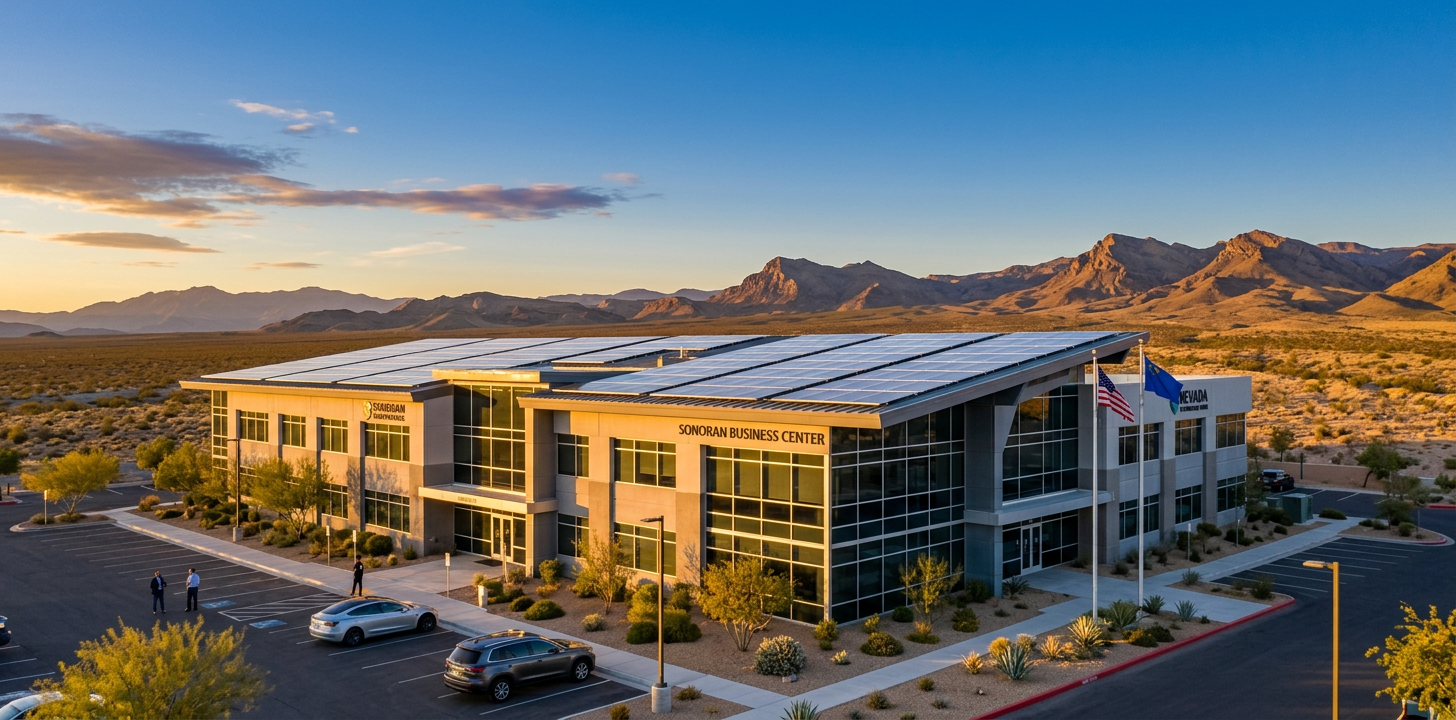
Nevada businesses are looking at solar for a simple reason, electricity costs are easier to control when you generate part of your own power. The real advantage, though, is that commercial solar tax incentives Nevada companies can use often make the economics work faster than owners expect.
If you run a retail center, office building, church, school, multifamily property, or light industrial site, the question is not just whether solar makes sense. It is whether you are taking full advantage of the incentives, depreciation benefits, and project structure options available to commercial buyers. And if you are a dealer, sales rep, or channel partner, this is exactly the kind of value-driven conversation that helps you close more business and build trust with your clients.
Why Nevada Commercial Solar Makes Financial Sense
Nevada has strong solar resource potential, and that matters for long-term performance. More production usually means stronger offset of utility usage, which can improve project payback and ROI over time. For businesses with daytime loads, the fit can be especially compelling.
Commercial property owners also benefit from the fact that solar is more than an energy upgrade, it is a financial strategy. Lower operating expenses can improve cash flow, and in many cases, that gives owners a better path to budget stability.
The Core Incentives Businesses Should Know
Federal Investment Tax Credit
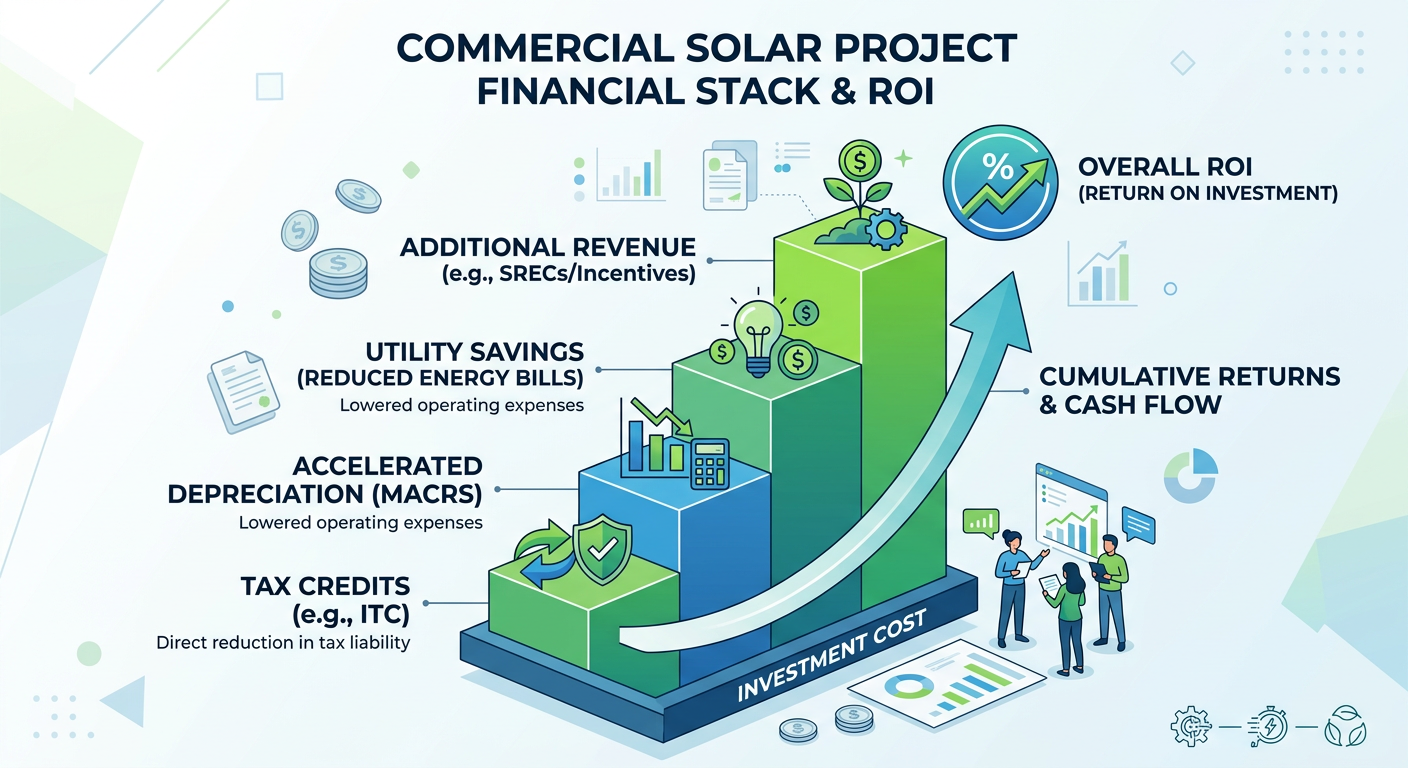
The biggest incentive for many commercial projects is the federal Investment Tax Credit, often called the ITC. The IRS explains the rules for business energy credits, and commercial solar projects may qualify when they meet the required conditions. That credit can reduce the overall cost of a system in a major way. For current guidance, review the IRS business energy credit information and work with a qualified tax professional before making assumptions.
Accelerated Depreciation
Commercial buyers may also benefit from bonus depreciation or other depreciation treatment, depending on the project year and tax position. This does not replace the ITC, it often works alongside it as part of the project’s full financial picture. For many businesses, that combination is what makes solar much more attractive than a simple utility-bill comparison suggests.
Utility and Demand Charge Savings
In addition to tax incentives, commercial solar can reduce utility exposure and help manage demand-related costs. That matters for sites with high daytime consumption, refrigeration, HVAC loads, process equipment, or large common-area usage. A well-designed system can turn a volatile operating expense into something more predictable.
How Incentives Affect Different Commercial Property Types
Retail and Shopping Centers
Retail properties often have strong daytime demand, which makes solar production highly valuable. If your tenants or shared common areas create consistent usage, the economics can improve quickly.
Office Buildings
Offices can see meaningful savings, especially when HVAC and lighting drive most of the load during business hours. The incentive structure may help owners justify upgrades that also support sustainability goals.
Hospitality and Multifamily
Hotels, multifamily communities, and HOAs often care about both cost control and reputation. Solar can support long-term operating savings, while also giving ownership groups a visible sustainability story they can share with stakeholders.
Schools, Churches, and Community Facilities
These organizations usually want dependable systems, transparent communication, and predictable savings. Tax incentives can help reduce upfront cost, making it easier to allocate capital toward core mission needs.
Why Dealers and Sales Teams Should Lean Into This Message
If you are trying to grow a solar sales pipeline, incentives are more than a talking point. They are a trust builder. When you can explain how commercial solar tax incentives Nevada businesses may use can strengthen the economics, you position yourself as an advisor instead of a salesperson.
That is where Independent Solar stands out. For partners who want a reliable company behind them, the brand, support, and installation quality all matter. A strong reviews page can help reinforce credibility, and a dependable partner makes it easier to build confidence with commercial buyers.
If you are looking to expand your book of business, it is worth exploring how to Become a Dealer with a company that understands commercial-grade execution and long-term partner support.
What Business Owners Should Ask Before Moving Forward
Am I capturing every incentive available?
Do not assume the first proposal includes the full picture. Ask how the ITC, depreciation, utility savings, and any applicable financing structure work together.
Is the system designed for my actual load profile?
A good commercial solar design should match your real usage patterns, not just your roof size. Production timing, demand peaks, and expansion plans all matter.
Who is handling permits, install quality, and service?
Solar is not just about the sale. Businesses need confidence that the installer will deliver a system that performs and a team that will support it long after commissioning.
Common Mistakes To Avoid
One common mistake is focusing only on the upfront price. That can lead owners to miss the larger value of incentives, tax treatment, and operational savings.
Another mistake is choosing a partner without checking reputation. Commercial buyers are putting real money on the line, so a trusted installer with clear communication matters. Before you sign anything, review the company’s track record and ask for examples of similar projects.
Frequently Asked Questions
Do commercial solar tax incentives in Nevada still matter if my utility bill is already high?
Yes. High utility costs often improve the economics because solar can offset more expensive consumption. Incentives may make the project even more attractive.
Can tax incentives and depreciation be used together?
Often, yes, but the exact treatment depends on the project and your tax situation. A tax advisor should confirm how the pieces apply to your business.
Are incentives different for nonprofits, churches, or schools?
They can be. Some organizations may use other structures or financing options when they do not have direct tax appetite.
How do I know if my property is a good fit for solar?
The best candidates usually have strong daytime usage, decent roof condition or land availability, and a long-term ownership horizon.
Why should dealers pay attention to incentive education?
Because it helps you create better sales conversations, improve close rates, and build trust. Incentive education is one of the fastest ways to stand out in the market.
Join a Partner Network That Helps You Win
If you are a dealer, rep, or channel partner, commercial solar becomes much easier when you have the right team behind you. Independent Solar offers commercial-grade execution, transparent support, and a partnership model built for professionals who want to protect their reputation.
If you are ready to grow, take the next step and Become a Dealer. If you want to see how credibility supports conversion, check the customer reviews first, then decide whether the fit makes sense for your business.
Final Takeaway
Commercial solar incentives can meaningfully change the economics of a Nevada project, but the real win is bigger than tax savings alone. Businesses get a cleaner operating model, dealers get a stronger sales story, and both sides benefit when the installer is reliable, communicative, and built for the long haul.
When you pair the right incentive strategy with the right partner, commercial solar is not just a good idea, it becomes a smart business decision.