
Commercial Solar Maintenance Checklist for Reliable Performance
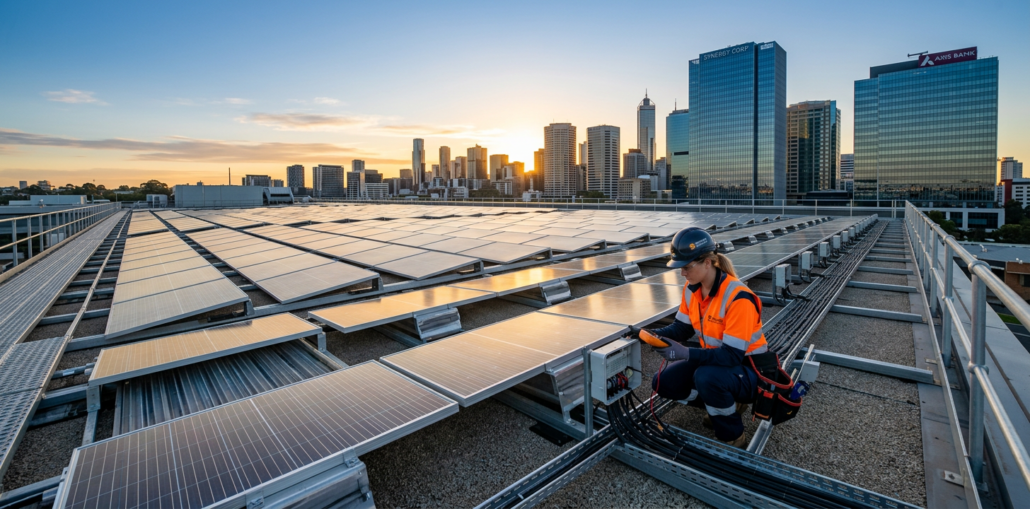
Commercial solar systems are built for long-term performance, but they still need consistent care. A well-managed commercial solar maintenance checklist helps business owners protect uptime, preserve savings, and avoid the kind of surprise issues that can hurt operations and cash flow.
For dealers, sales reps, and channel partners, maintenance is also a trust signal. When you can explain how a system will be monitored, serviced, and supported over time, you’re not just selling solar, you’re selling confidence. That matters whether you’re working with retail centers, schools, churches, multifamily properties, or light industrial sites.
Why maintenance matters for commercial solar
Solar is often marketed as low-maintenance, and that is mostly true. But low-maintenance does not mean no maintenance. Dust, debris, shading changes, loose connections, inverter faults, and weather-related wear can all reduce output over time.
A proactive maintenance plan helps you:
- Keep energy production closer to projections
- Catch small issues before they become expensive repairs
- Extend equipment life
- Support warranty compliance
- Protect return on investment
If you want a partner that understands long-term system care, Independent Solar supports commercial-grade installs, repairs, and ongoing service. That kind of follow-through is one reason partners looking to Become a Dealer should pay attention to who will stand behind the work. You can learn more at Commercial Solar and see how trust is built through real-world service at Reviews.
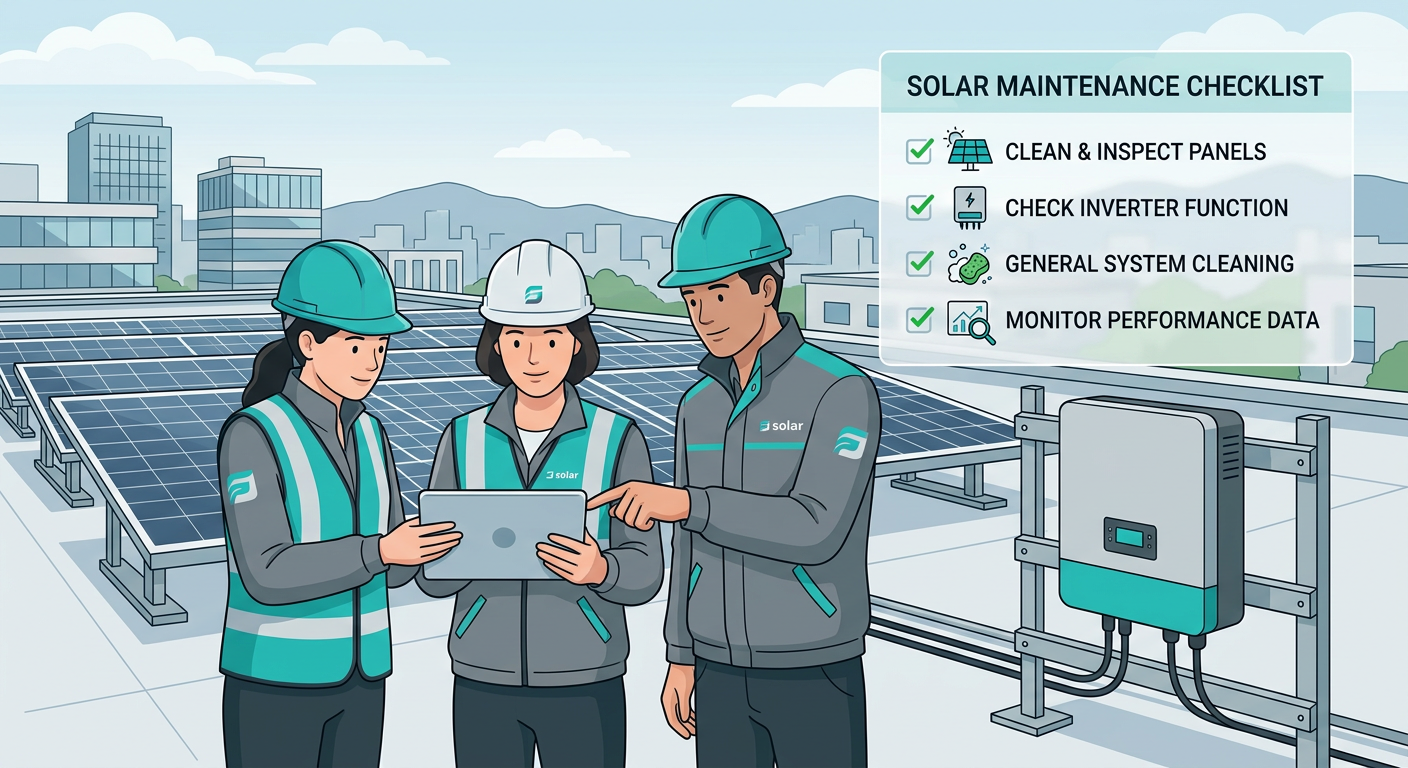
Commercial solar maintenance checklist
1. Inspect panels for dirt, debris, and damage
Start with the basics. Look for dust buildup, bird droppings, leaves, storm debris, cracks, hotspots, or discoloration on modules. Even a modest layer of grime can affect production, especially in dusty markets like Arizona, Nevada, and Texas.
2. Review inverter performance
Inverters are the heart of the system’s energy conversion process. Check for warning lights, error codes, unusual noise, overheating, or unexpected shutdowns. If the inverter is underperforming, the entire system can feel the impact.
3. Confirm monitoring platform accuracy
A monitoring dashboard should show normal production trends, alerts, and communication status. Compare current output against expected performance and seasonal patterns. If the data looks off, the system may be underproducing or a device may not be communicating properly.
4. Check wiring, conduit, and connections
Loose or damaged wiring is a major risk in commercial solar systems. Inspect visible conduit, junction boxes, connectors, and combiner boxes for wear, corrosion, or water intrusion. This is one area where experienced technicians make a real difference.
5. Examine mounting hardware and roof penetrations
Commercial systems need stable mounting and reliable weather sealing. Verify that racking, fasteners, and roof attachments are secure. On rooftop systems, also watch for signs of membrane damage, pooling water, or seal degradation.
6. Test safety and shutdown equipment
Verify labels, disconnects, rapid shutdown functions, and emergency access points. Safety compliance is not just a code issue, it is a liability issue for the property owner and a reputation issue for the installer or dealer.
7. Trim shading risks around the site
Trees grow. New equipment gets installed. Nearby buildings change. Revisit shade conditions at least seasonally so you know whether output losses are coming from environmental changes rather than equipment failure.
8. Document every service visit
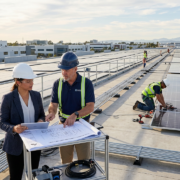
Keep a service log with dates, findings, photos, corrective actions, and follow-up items. Documentation helps with warranty claims, troubleshooting, and future asset planning. It also gives property managers and dealer partners a clear record of responsible system care.
Who should own the maintenance plan
The best commercial solar projects are set up with clear accountability. Depending on the deal structure, maintenance may fall to the owner, facilities team, EPC partner, or service provider. What matters is that someone owns the process and understands response times.
For dealers and sales reps, this is a major differentiator. When you align with a company that offers dependable support, transparent communication, and strong post-installation service, it becomes easier to protect your reputation and close more business. That is one reason many partners choose to Become a Dealer with a company they can confidently represent.
How often should commercial solar maintenance happen?
A good baseline is quarterly visual inspections and at least one to two detailed technical checks per year. Sites in dusty, high-heat, or storm-prone regions may need more frequent service. After major weather events, always inspect the system for damage or performance changes.
For high-traffic properties like schools, hospitality sites, warehouses, and retail centers, regular monitoring matters just as much as physical inspection. The system may be producing less than expected long before anyone notices on the roof.
Why reputation matters as much as equipment
Commercial buyers do not just ask, “Will this system work?” They ask, “Who is standing behind it?” That is why reviews, responsiveness, and long-term support are part of the maintenance conversation.
If you are comparing partners, check Reviews and look for signs of consistency, not just one-time success. Reliable support, clean communication, and quality workmanship are what separate a vendor from a true long-term partner.
FAQ
What is included in a commercial solar maintenance checklist?
It usually includes panel inspection, inverter checks, monitoring review, wiring and conduit inspection, racking and roof checks, safety equipment verification, and service documentation.
How often should commercial solar systems be inspected?
Most systems benefit from quarterly visual checks and one or two deeper service visits each year, with extra inspections after storms or major site changes.
Do commercial solar panels need cleaning?
Sometimes, yes. In dusty or dry climates, cleaning can improve output and keep the system closer to design expectations.
Who should perform commercial solar maintenance?
A qualified solar service provider or experienced technician should handle technical inspections, repairs, and safety-related work. Facilities teams can assist with routine observation.
Why should dealers care about maintenance?
Because long-term service affects customer satisfaction, referrals, and your reputation. A partner that supports maintenance helps you protect your brand.
How does maintenance affect ROI?
Better maintenance helps maintain production, reduce downtime, and avoid costly failures, all of which support stronger long-term returns.
Take the next step with a partner built for long-term confidence
If you sell or manage commercial solar, don’t treat maintenance like an afterthought. Build it into the conversation from day one, and choose partners who can support the full lifecycle of the system.
If you want a reliable team behind your projects, explore Become a Dealer and see how Independent Solar helps partners grow with confidence. For businesses ready to improve long-term system reliability, start a conversation through Contact.
Final thoughts
A strong commercial solar maintenance checklist protects performance, reduces risk, and reinforces trust. For business owners, that means better uptime and better returns. For dealers and reps, it means a stronger reputation and a partner you can stand behind for the long haul.


 Arizona:
