
How to Sell Commercial Solar and Win Better B2B Deals in 2026
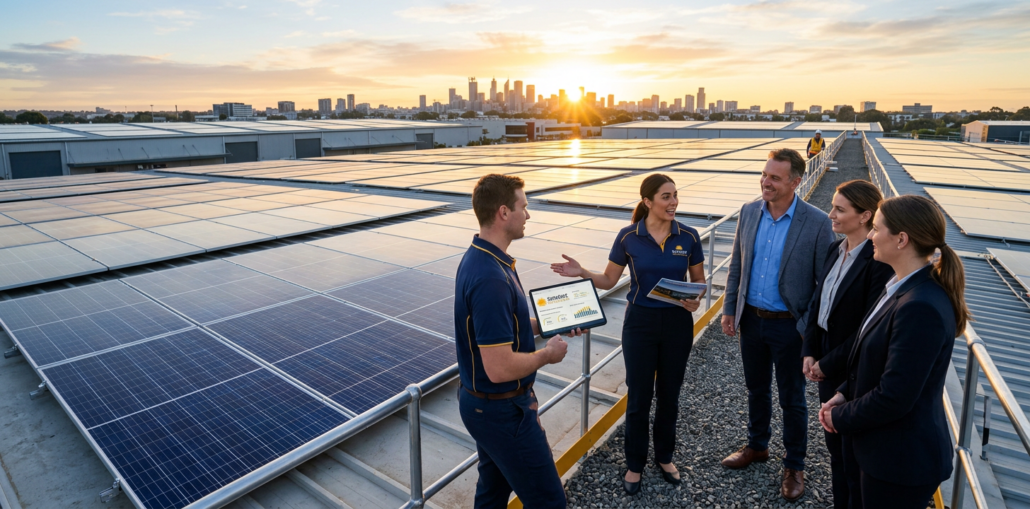
Business buyers don’t wake up excited to buy panels. They care about operating costs, risk, property value, tenant satisfaction, tax strategy, and whether your installer will actually deliver what was promised.
That’s why how to sell commercial solar starts with a different mindset. You’re not pitching equipment. You’re helping owners, CFOs, facility managers, churches, schools, multifamily operators, HOAs, and light industrial teams make a long-term energy decision with confidence.
For dealers and sales reps, the opportunity is strong. Commercial electricity demand is rising, utility costs are under pressure, and more businesses want predictable energy planning. The reps who win are the ones who can combine business math, project credibility, and a reliable installation partner like Independent Solar.
Why Commercial Solar Is a Business Conversation First
Residential solar often starts with a monthly bill. Commercial solar starts with a financial model.
A retail center, office building, hotel, school, church, or warehouse wants to know what solar does for cash flow, depreciation planning, demand charges, power reliability, and long-term operating expenses. According to the U.S. Energy Information Administration, U.S. commercial electricity prices were higher in April 2026 than in April 2025, which gives business owners a clear reason to evaluate on-site power.
Here’s the thing: commercial buyers are cautious for a reason. A poor installer can create roof issues, permitting delays, utility interconnection problems, and unhappy stakeholders. That’s why your partner matters as much as your pitch.
If you’re a solar sales professional looking for a stronger company to represent, start with the Independent Solar dealer application. A dependable installer gives you more confidence in every conversation.
How to Sell Commercial Solar Without Sounding Like Everyone Else
Most reps talk too much about panels, warranties, and “going green.” Those points matter, but they’re not enough.
A better commercial solar sales process looks like this:
- Diagnose the business problem.
- Review utility usage, peak load, and operating patterns.
- Identify the best project type, rooftop, ground-mount, carport, battery, or system upgrade.
- Explain incentives and financing in plain business language.
- Prove the installer has the reputation and process to execute.
- Make next steps simple.
That last point is where many deals fall apart. A business buyer may like the numbers, but if the process feels vague, they’ll delay. Clear timelines, transparent communication, and professional follow-up help protect the sale.
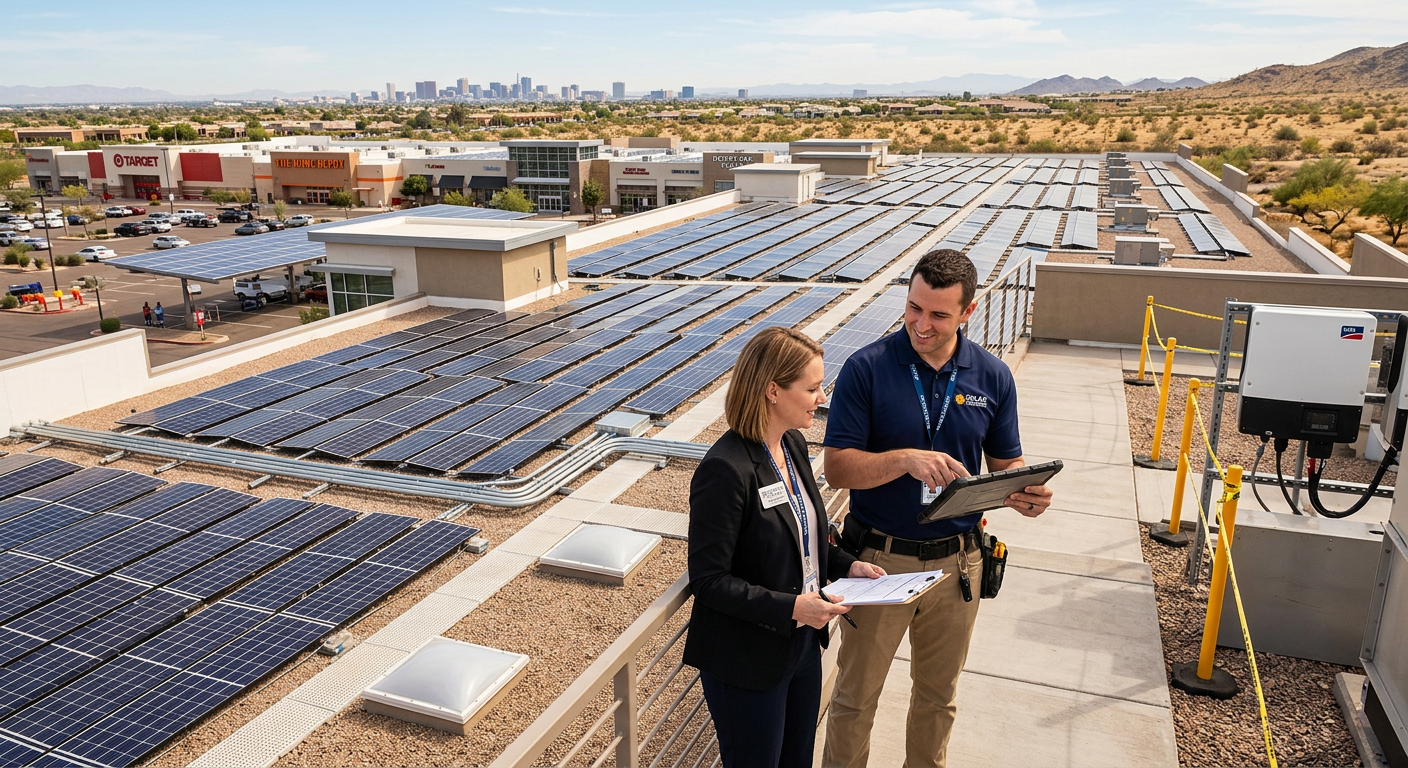
Lead With ROI, Then Build Trust
Commercial solar ROI is not one-size-fits-all. It depends on utility rates, roof condition, operating hours, demand charges, system size, financing, tax position, and incentive eligibility.
Still, the sales conversation should always connect solar to business value:
- Lower long-term electricity costs
- Reduced exposure to rate increases
- Potential tax credit value for eligible businesses
- Depreciation planning with a qualified tax advisor
- Improved energy resilience with battery storage
- Stronger sustainability messaging for customers and tenants
- Better control over a major operating expense
The IRS Clean Electricity Investment Credit explains that qualified clean electricity projects may be eligible for a base credit that can increase when labor and other requirements are met. Businesses generally use IRS Form 3468 to claim the investment credit, so commercial buyers should always involve their CPA or tax advisor before making a final decision.
That’s not a weakness in the sale. It’s a trust builder. When you encourage professional tax and finance review, you sound like a serious energy partner, not a pushy rep.
Sell the Installer, Not Just the System
A commercial buyer isn’t only asking, “Will solar save money?” They’re asking, “Can I trust these people on my property?”
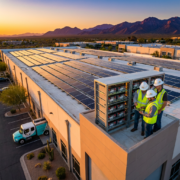
That’s where Independent Solar gives dealers and channel partners a stronger story. The company supports commercial-grade installations, battery storage, system upgrades, maintenance, repairs, financing guidance, and long-term energy planning for businesses across key growth markets including Arizona, Nevada, and Texas.
Reputation matters because commercial projects involve more stakeholders. Owners, boards, tenants, managers, finance teams, and facilities staff may all weigh in. Before a prospect signs, point them toward real customer feedback and install satisfaction through Independent Solar reviews. Social proof lowers friction and helps business-minded buyers feel safer moving forward.
If you’re tired of losing deals because your installer lacks communication or follow-through, this is your cue to become a dealer with Independent Solar.
Match the Pitch to the Property Type
Different commercial properties buy for different reasons. Your sales angle should match the buyer’s world.
Retail and Office Buildings
Focus on operating cost control, tenant attraction, visible sustainability, and long-term asset value. For multi-tenant properties, discuss how solar may support common-area loads, owner-paid meters, or broader energy planning.
Hospitality and Multifamily
Hotels and multifamily properties often have heavy energy usage from HVAC, lighting, laundry, pools, elevators, and shared spaces. Solar plus battery storage can support cost control and resilience planning.
Churches, Schools, and Nonprofits
These organizations care about stewardship, budget stability, and community impact. They may also need help understanding ownership, financing, and incentive structures.
Light Industrial Facilities
Industrial buyers want uptime, predictable costs, and practical engineering. Keep the conversation focused on load profile, roof or land availability, demand charges, and potential battery storage value.
Use Battery Storage as a Strategic Add-On
Battery storage can make a commercial solar proposal more compelling, especially where demand charges, outages, or time-of-use rates are major concerns.
The National Renewable Energy Laboratory has noted that commercial customers with high demand charges may benefit from battery energy storage by managing peak demand. That matters for restaurants, manufacturing spaces, hotels, schools, and facilities with expensive short bursts of usage.
Battery storage also changes the conversation from “solar panels” to “energy control.” That’s a more powerful business case.
Dealers Need a Partner That Protects Their Reputation
Your reputation follows every project after the contract is signed. If the installer misses deadlines, communicates poorly, or leaves the customer confused, the customer blames you too.
Independent Solar’s dealer-friendly model is built for reps and partners who want a professional brand they can confidently represent. The right partner helps you improve close rates, reduce post-sale stress, and build a book of business that creates repeat referrals.
If you’re serious about commercial solar sales partnerships, apply through the Become a Dealer form. Strong support, transparent communication, and reliable installation quality make it easier to sell with confidence.
Common Objections and How to Handle Them
“Solar costs too much upfront.”
Shift the conversation from price to structure. Discuss cash, loan, lease, PPA-style options where available, tax planning, and projected energy savings. Independent Solar also outlines flexible funding options through its solar financing page.
“We’re not sure the roof can handle it.”
That’s exactly why a site review matters. Commercial solar should include roof condition, structural considerations, electrical infrastructure, and long-term maintenance planning.
“We don’t want installation disruption.”
A professional installer plans around business operations. Explain the process, expected timeline, safety standards, permitting steps, and communication cadence.
“We need proof this company is reliable.”
Send them to Independent Solar reviews and walk through relevant project experience, licensing, service areas, and long-term support.
Frequently Asked Questions
What is the best way to learn how to sell commercial solar?
Start by learning business energy economics, not just panel specs. You need to understand utility bills, demand charges, incentives, financing, project timelines, and how different property types make decisions.
Who is the ideal commercial solar prospect?
Strong prospects include retail centers, offices, hotels, multifamily properties, HOAs, schools, churches, and light industrial facilities with high energy usage, available roof or land space, and long-term ownership plans.
How long does a commercial solar sale usually take?
It can take longer than residential because more stakeholders are involved. A small business may move quickly, while a school, church, HOA, or multi-site operator may need board review, financial approval, and facility evaluation.
Do commercial solar customers still care about tax credits?
Yes, but tax eligibility is complex and timing-sensitive. Reps should explain the opportunity in general terms, then recommend that buyers consult a qualified CPA or tax advisor.
Why should dealers partner with Independent Solar?
Dealers benefit from a professional solar company with commercial installation capability, battery storage knowledge, financing guidance, maintenance support, and review-based credibility. That helps reps sell with more confidence.
Should battery storage be included in every commercial proposal?
Not always. Battery storage makes the most sense when the customer has demand charges, outage concerns, time-of-use pricing, or resilience goals. It should be recommended based on the site’s actual energy profile.
Build Commercial Solar Deals With a Stronger Partner
If you want to sell bigger projects with better support, align with a solar company that understands commercial buyers and protects your reputation. Apply now to become a dealer with Independent Solar and start building stronger B2B opportunities.
Business owners can also explore commercial solar installation support for rooftop systems, ground-mount projects, battery storage, upgrades, repairs, and long-term energy planning.
Conclusion
The reps who win commercial solar deals don’t rely on hype. They understand the buyer’s operating costs, present a clear financial path, answer objections professionally, and back the proposal with a reliable installer.
That’s the real answer to how to sell commercial solar in today’s market. Lead with business value, prove trust through reviews, and work with a partner that can deliver after the contract is signed.






 Arizona:
