
Commercial Solar Maintenance Tips for Reliable Performance
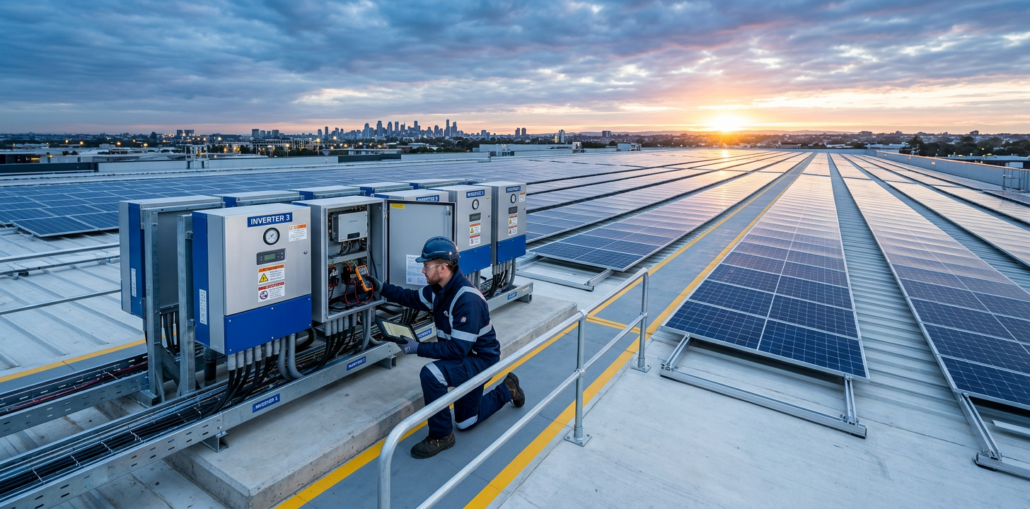
Commercial solar only works as well as it is maintained. For property owners, facility managers, and channel partners, the real goal is not just producing power today, it is protecting uptime, preserving ROI, and avoiding avoidable service calls later.
That is why commercial solar maintenance tips matter so much. A strong maintenance plan keeps systems efficient, helps catch small issues before they become expensive problems, and gives dealers a reliable story to share with clients who care about long-term performance.
Why Maintenance Matters for Commercial Systems
Commercial systems face more wear than many people expect. Rooftop dust, bird activity, shade changes, wiring stress, inverter issues, weather exposure, and vegetation growth can all reduce output over time.
The Department of Energy emphasizes preventive and pre-storm maintenance as part of safe, efficient solar operation, and NREL’s O&M best practices also point to systematic inspections and monitoring as core to long-term performance. In plain English, a system that is left alone is more likely to underperform quietly. Department of Energy, PNNL
What that means for dealers
If you are a sales rep or channel partner, maintenance is not just a service detail. It is part of the trust equation. A client who knows there is a long-term service plan is more likely to move forward and more likely to recommend you later. That is one reason many partners look to Become a Dealer with a company that can support installs beyond day one.
1. Start With Routine Visual Inspections
A simple walk-through can reveal a lot. Look for cracked modules, loose wiring, damaged conduit, corrosion, debris buildup, pooling water, animal damage, and obvious shading changes from new rooftop equipment or nearby growth.
NREL best practices specifically call out inspections of site conditions, arrays, electrical equipment, mounting structures, fencing, shading, vegetation, erosion, corrosion, and discolored panels. That is a strong reminder that maintenance is about the whole system, not just the modules. NREL
2. Use Monitoring to Catch Problems Early
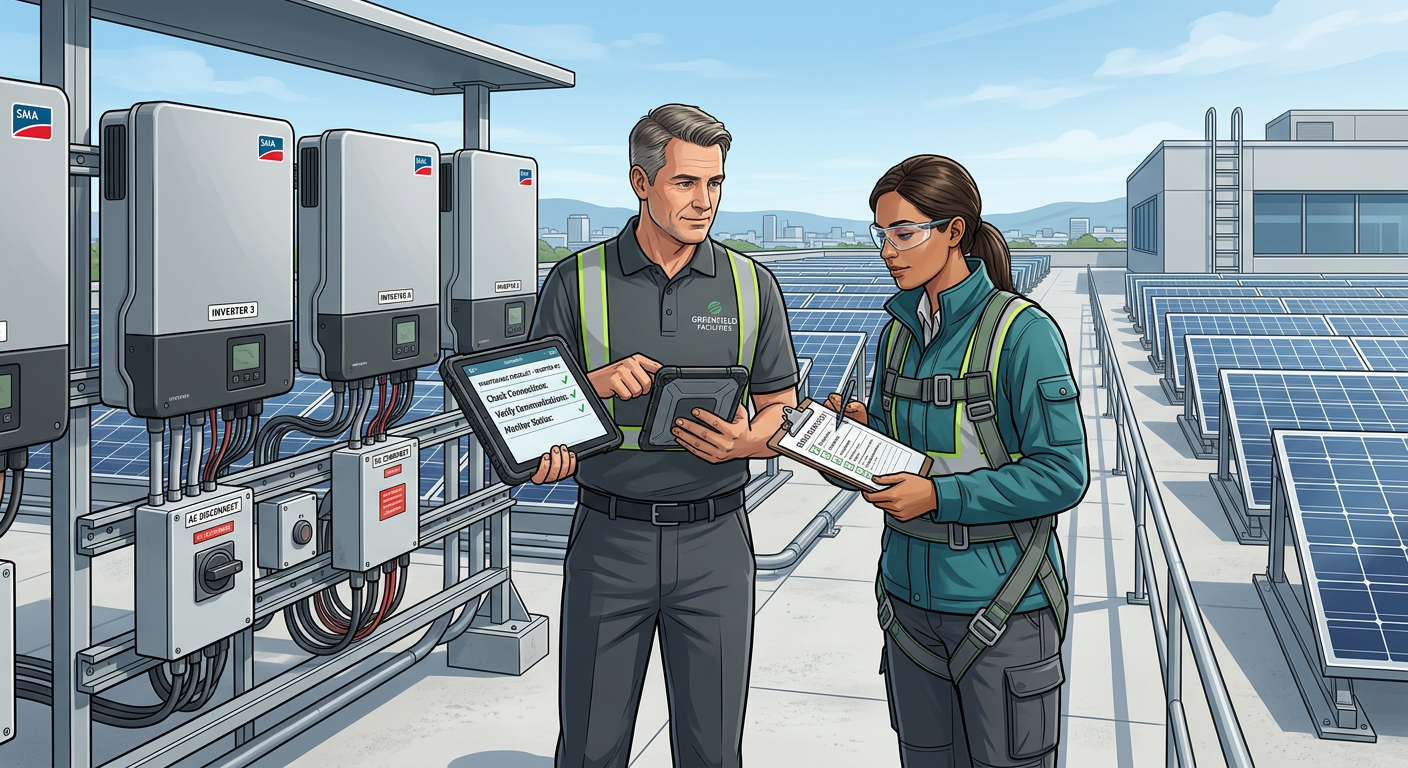
Production monitoring is one of the smartest maintenance tools you have. If a string, inverter, or section of the array drops unexpectedly, monitoring can flag the issue before a manager notices a utility bill spike.
For commercial owners, this is where maintenance becomes a business advantage. Faster alerts mean faster repairs, less downtime, and better confidence when you are explaining system performance to leadership, tenants, or investors.
What dealers should highlight
When you pitch a commercial project, do not stop at installation quality. Show how ongoing monitoring protects the client’s return. That is a strong differentiator for anyone who wants to Become a Dealer with a partner that takes long-term support seriously.
3. Clean Panels Based on Site Conditions
Not every site needs frequent washing, but many commercial properties benefit from scheduled cleaning. Dust, pollen, soot, and bird droppings can all reduce energy output, especially in hotter, drier regions like Arizona, Nevada, and Texas.
The right cleaning schedule depends on location, roof pitch, local weather, and site contamination. The key is to treat cleaning as a performance decision, not a cosmetic one.
Best practice
Use a site-specific plan instead of a one-size-fits-all schedule. A retail roof near a busy roadway may need more attention than a school campus with less airborne buildup.
4. Keep Inverters and Electrical Gear on a Schedule
Inverters are one of the most important parts of the system, and one of the most common sources of service calls. Check fans, error codes, connections, ventilation, and thermal performance on a regular basis.
The DOE also notes the importance of longevity-focused planning, including repair versus replacement decisions and the condition of energy storage systems. That matters for commercial owners who want predictable operating costs over the life of the asset. Department of Energy
5. Inspect Mounting, Roof, and Structural Elements
Commercial solar maintenance should include the roof and structure underneath the array. That means checking flashing, anchors, hardware, sealants, ballast conditions, and any signs of water intrusion.
This is especially important for multifamily properties, warehouses, schools, churches, and light industrial facilities, where roof repairs can become more expensive if solar equipment is ignored during routine building maintenance.
6. Manage Vegetation and Shading
For ground-mount systems, vegetation control is essential. For rooftop systems, new shade from HVAC upgrades, signage, or adjacent development can affect production more than people expect.
A good maintenance plan includes periodic shade reviews and site-condition checks. This is one of the easiest ways to prevent slow performance loss that never shows up as a dramatic failure.
7. Document Every Service Visit
The best commercial maintenance programs are documented. Keep records of inspections, cleaning, repairs, inverter alerts, part replacements, and production changes over time.
That documentation helps with warranty support, insurance questions, asset management, and future troubleshooting. It also makes it easier for a dealer or installer to prove value to a client who wants transparency.
8. Build Maintenance Into the Sales Conversation
Here is the thing, clients do not just want solar. They want confidence. They want to know the system will perform, the installer will answer the phone, and the partner will stay involved after commissioning.
That is why service-driven companies and reviews matter so much. A strong reputation helps reduce buyer hesitation, and it makes life easier for dealers who need a brand they can confidently represent.
FAQs
How often should commercial solar systems be inspected?
Most systems benefit from scheduled inspections at least a few times a year, plus after major weather events. The exact timing depends on system size, site conditions, and the level of monitoring in place.
Do commercial solar panels need regular cleaning?
Yes, in many cases they do. The frequency depends on dust, debris, bird activity, pollen, and local climate conditions. Some sites need more frequent cleaning than others.
What is the most common maintenance issue in commercial solar?
Inverter faults, wiring issues, and soiling-related output loss are among the most common concerns. That is why monitoring and preventive inspections are so important.
Can maintenance help improve ROI?
Absolutely. Better maintenance can help preserve production, reduce downtime, and extend system life, all of which support a stronger long-term return.
Why should dealers care about maintenance?
Because maintenance affects reputation. Dealers who partner with a reliable commercial installer can offer a better client experience and reduce post-sale headaches.
Become a Dealer With a Partner Clients Can Trust
If you are a dealer, sales rep, or channel partner, the smartest move is to align with a company that treats support as seriously as installation. Independent Solar brings commercial-grade expertise, transparent communication, and long-term accountability to the table.
If you want a stronger partner for commercial projects, learn more and Become a Dealer. If you want proof from real customers and project experience, review the company’s reputation and feedback.
Final Thoughts
Good maintenance is not complicated, but it is essential. Inspect regularly, monitor production, clean strategically, protect electrical components, and document everything.
For commercial property owners, that approach protects value. For dealers and sales partners, it strengthens trust. And for everyone involved, it helps solar perform like the long-term asset it was meant to be.


 Arizona:
