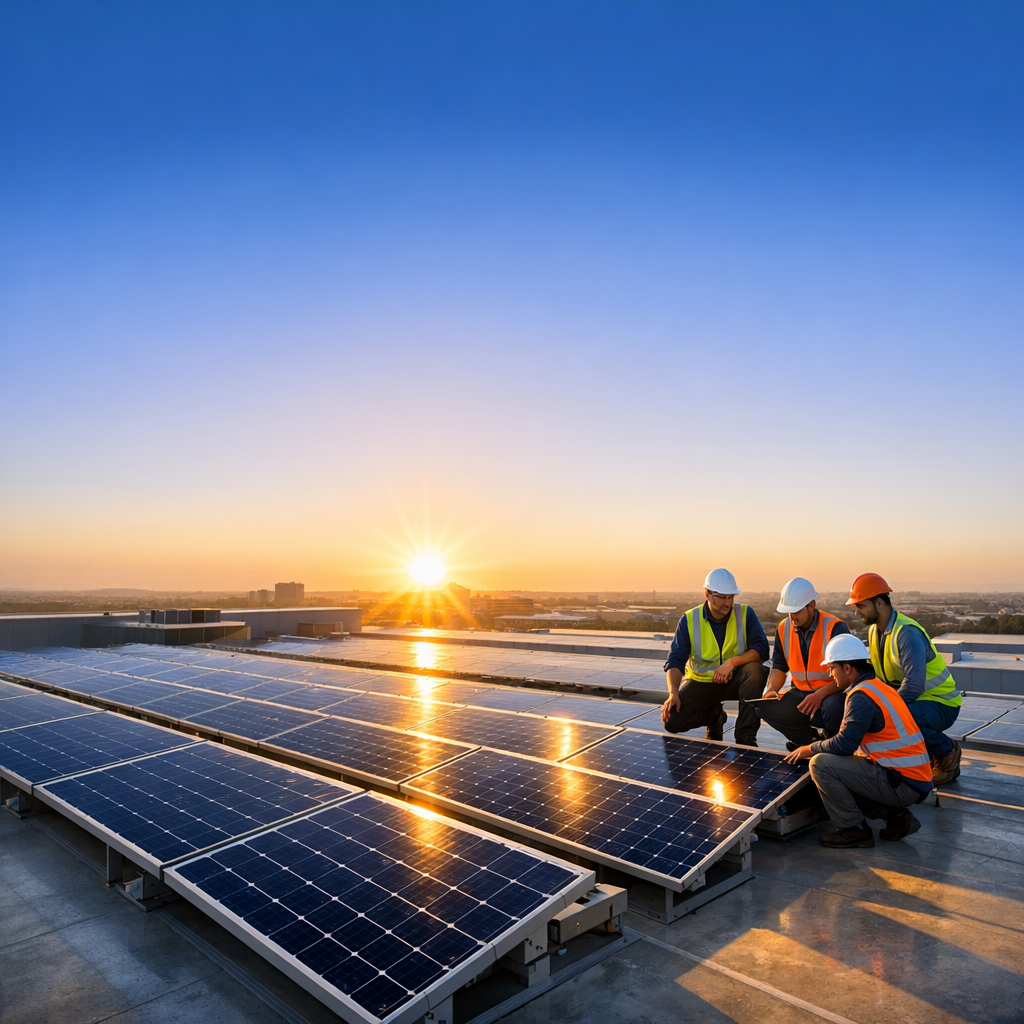
Commercial solar installations promise lower energy bills, reduced carbon footprint, and long-term asset value. Yet when systems underperform or fail outright, owners and dealers face lost savings, costly repairs, and reputational damage. In this article we walk through the practical reasons why do commercial solar systems fail, how to prevent those failures, and why partnering with a dependable installer and dealer program matters for long-term success.
Why commercial systems fail: the top causes
Commercial solar projects are larger, more complex, and more demanding than typical residential jobs. Problems usually trace back to one or more of the areas below.
1. Poor design and site assessment
A rushed or incomplete site assessment leads to shading issues, incorrect tilt or orientation, mismatched system sizing, and unrealistic energy production estimates. Design misses also include inadequate structural reviews for rooftop loads or poor electrical routing that creates future access problems.
2. Low-quality components or improper selection
Using cheaper panels, inverters, or racking that are not rated for commercial duty increases the chance of early failures. Mismatched components, or ignoring manufacturer specs for stringing and temperature coefficients, causes inefficiencies and stress on system parts.
3. Substandard installation and workmanship
Improper module mounting, poor roof penetrations, loose electrical connections, or incorrect grounding all create failure points. Commercial installations require experienced crews, tight QA protocols, and consistent supervision.
4. Inadequate commissioning and testing
Installation is only one step. Without full commissioning, functional testing, and performance verification, faults remain hidden until the system is under load. Proper commissioning documents baseline performance and makes future troubleshooting faster.
5. Lack of preventative maintenance
Solar systems need periodic inspections, cleaning, torque checks on electrical connections, and firmware updates for inverters and monitoring systems. Deferred maintenance leads to reduced output and hidden failures that compound over time.
6. Poor monitoring and weak O&M plans
Commercial owners need robust remote monitoring, alarms, and a documented operations and maintenance plan. Systems without monitoring may drift for months before someone notices lost production.
7. Environmental and external stresses
Extreme heat, high winds, hail, and local wildlife can damage panels and racking. Inadequate weatherproofing or rack designs not suited to local conditions increase failure risk.
8. Grid and utility issues
Voltage excursions, islanding problems, or unclear interconnection requirements can trigger inverter shutdowns or require hardware upgrades. Miscommunication with utilities on anti-islanding settings and interconnection points causes delays and reliability issues.
9. Financial and contractual gaps
Unclear warranties, absent performance guarantees, or weak contractor bonds leave owners exposed when problems arise. In commercial projects, contract clarity on responsibilities for repairs, monitoring, and long-term support is essential.
How to prevent failures, step by step
Start with rigorous site assessment and engineering
Invest in shade studies, structural analysis, and accurate energy modeling. A proper pre-construction survey saves rework and avoids undersized systems that do not meet expectations.
Specify commercial-grade equipment
Choose components rated for commercial use, with clear manufacturer warranties and service networks. Match inverters, panel ratings, and racking to local climate and operational needs.
Hire experienced installers and enforce quality control
Use installers with a proven commercial portfolio. Require documented QA checklists, torque logs, and photo documentation. Independent third-party commissioning can be a smart insurance policy.
Commission thoroughly and document performance
Run full commissioning tests, verify string voltages, check IV curves where needed, and confirm monitoring telemetry. Archive baseline performance and make it accessible to owners and dealers.
Implement structured operations and maintenance
Set a maintenance schedule that includes cleaning, inspections, firmware updates, and electrical checks. Adopt monitoring that alerts on performance dips so corrective actions can be immediate.
Use robust monitoring and rapid-response service
Real-time monitoring plus a service partner who responds quickly minimizes downtime and preserves ROI. Clear SLAs for response times reduce business risk.
Clarify contracts and warranty responsibilities
Ensure contracts specify long-term service, warranty transferability, and responsibilities for equipment versus workmanship. Include performance guarantees where feasible.
Why dealers and channel partners matter
Here is the thing, business owners value reliability and reputation. Dealers and sales reps who align with an installer that offers commercial-grade work, transparent communication, and dealer support reduce customer churn and increase referral business.
Independent Solar builds dealer-friendly programs with transparent commissions, onboarding, and ongoing support to help you sell confidently. Become a dealer to access commercial systems, battery storage options, and structured back-office support. Apply here: https://independentsolar.com/application-form/
See proof of customer satisfaction and reviews to support your sales conversations: https://independentsolar.com/reviews/
Independent Solar strengths to avoid failures
- Commercial-grade installations and experienced crews
- Documented commissioning and long-term maintenance plans
- Battery storage integration for resilience and demand charge mitigation, when appropriate: https://independentsolaraz.com/solar-battery-storage/
- Guidance on incentives and tax credits for commercial owners: https://independentsolaraz.com/federal-solar-tax-credit/
These capabilities reduce common failure modes and protect both owners and dealers.
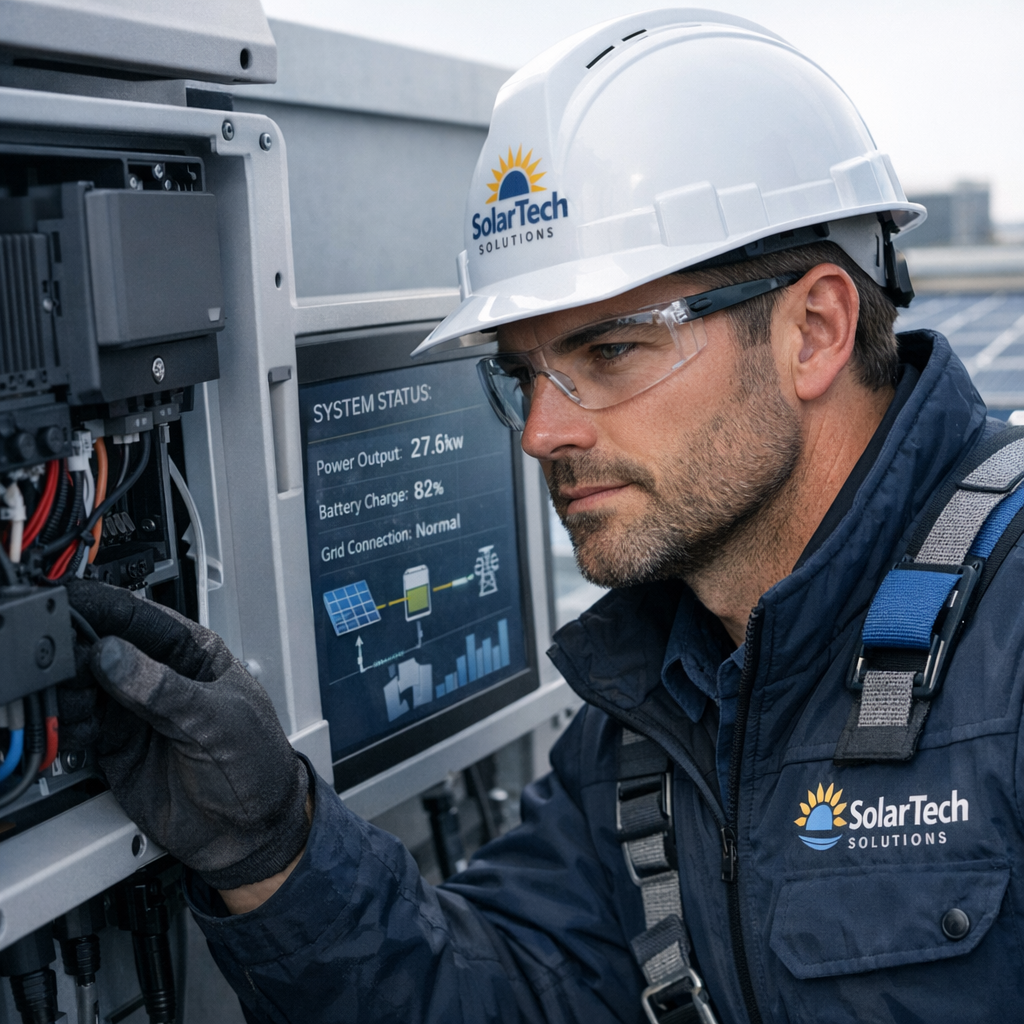
Practical troubleshooting checklist for owners and dealers
- Review monitoring for sudden drops in production
- Check inverter status lights and event logs
- Inspect for visible damage to panels or racking
- Confirm roof penetrations and flashing integrity after storms
- Verify firmware and communications are up to date
- Engage installer for systematic testing if production is significantly below model
Frequently Asked Questions
What is the most common reason commercial solar systems underperform?
Most underperformance stems from poor initial design or incomplete commissioning. Flawed assumptions about shading or rooftop constraints often drive unrealistic projections.
How often should commercial systems be inspected?
Standard practice is at least annual professional inspections, with quarterly remote monitoring reviews. High-dust or corrosive environments may require more frequent visits.
Are battery systems a solution to reliability problems?
Battery storage improves resilience and can smooth production variability, but they add complexity. Proper integration and maintenance are essential to realize benefits.
Who is responsible for repairs once the system is installed?
Responsibility depends on the contract. Clarify warranty coverage for equipment versus workmanship, and ensure there is a local service agreement for rapid response.
Can poor grounding or wiring cause system failure?
Yes, bad grounding and loose electrical connections are frequent causes of failures and safety hazards. Proper electrical installation and periodic torque checks are critical.
How do dealers protect their reputation when systems fail?
Work with installers who offer transparent documentation, fast service, and clear warranty terms. Share customer reviews and performance reports to build trust: https://independentsolar.com/reviews/.
How can I become a dealer and reduce project risk for my customers?
Joining a structured dealer program gives you commercial-grade product access, training, and support. Apply here to start: https://independentsolar.com/application-form/
Actionable next steps for commercial property owners and dealers
If you manage commercial properties, audit your current system against the prevention checklist above. Dealers, if you want a partner that backs your sales with strong installations and aftermarket service, consider applying to Independent Solar to expand your product offering and protect your customers. Apply now: https://independentsolar.com/application-form/
Review customer feedback and reputation to strengthen your sales pitch: https://independentsolar.com/reviews/
For specific commercial project information, contact Independent Solar for a detailed site assessment and dealer onboarding. https://independentsolaraz.com/commercial-solar/
Conclusion
Commercial solar failures are rarely mysterious. They follow from weak design, low-quality components, poor installation, or lack of maintenance. The fix is systematic: commercial-grade equipment, tight quality control, thorough commissioning, and a committed service partner. Dealers who align with a trustworthy installer not only protect their clients but also grow through repeat business and strong reputation. If you want to sell with confidence and avoid the common failure traps, apply to join Independent Solar and start offering reliable commercial solutions today: https://independentsolar.com/application-form/
Proof you can show prospects: https://independentsolar.com/reviews/