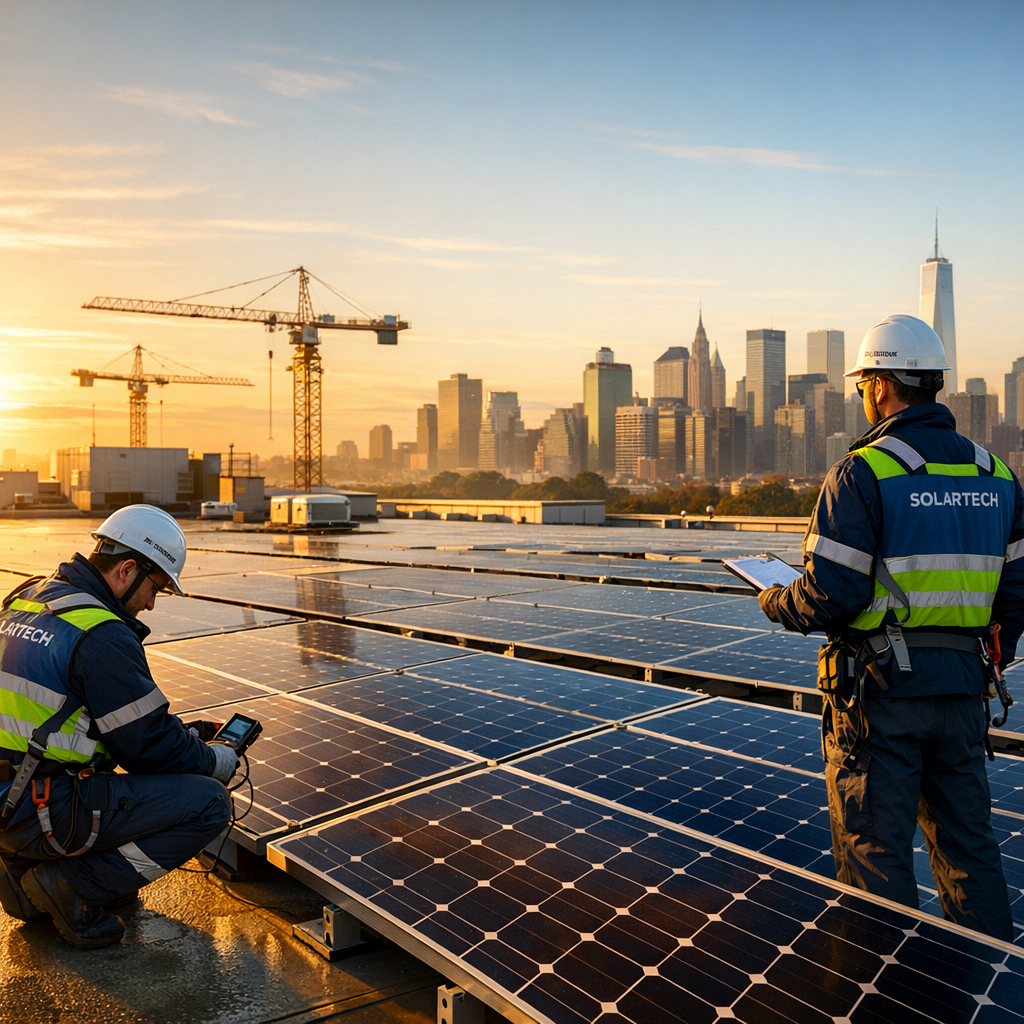
Commercial solar projects promise big savings, but too many commercial installations go sideways. In plain terms, failures usually come from poor planning, weak execution, or a lack of long-term support. The good news, if you know the warning signs, you can avoid them and protect your project’s ROI. In this article I explain the common traps, the technical and business fixes, and exactly how a dealer-friendly partner can prevent the most damaging outcomes.
Why Commercial Solar Installers Fail appears throughout as the thread connecting operations, finance, and reputation — and figuring out what goes wrong is the first step toward building a reliable commercial program.
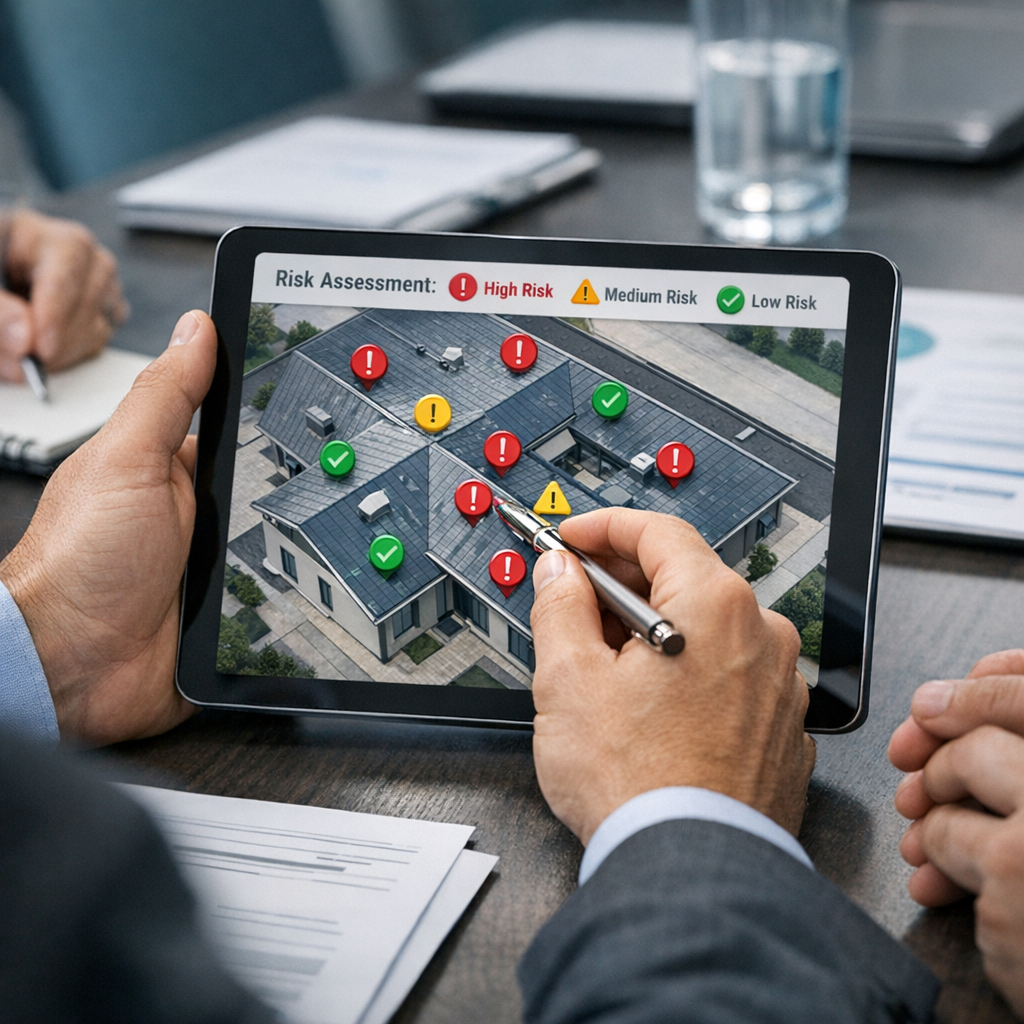
The top reasons commercial solar installers fail
1. Underestimating project complexity
Commercial projects are not scaled-up residential jobs. Roof structure, loading, fire code access, tenant coordination, and electrical infrastructure can all add complexity. Underbidding or skipping a structural/engineering survey leads to schedule blows and surprise costs.
2. Weak financial planning and cashflow management
A single delayed incentive payment or supply backlog can sink a small installer. Poor cashflow planning, unrealistic margins, or over-reliance on a single finance partner makes firms brittle during market shifts.
3. Poor permitting and compliance processes
Failing to obtain permits, or misreading local utility interconnection rules, stalls commissioning. Commercial-scale systems interact with building codes, AHJs, and utilities differently than residential installs.
4. Supply chain and vendor instability
Panels, inverters, racking, and batteries must arrive on time and match specs. Frequent vendor changes, near-term shortages, or warranty gaps create rework, delayed invoices, and unhappy clients.
5. Inadequate operations, quality assurance, and safety programs
Rushed installs, inconsistent QA checklists, and poor safety culture produce defects, higher warranty claims, and reputational damage. For commercial sites, a single system failure can disrupt tenants and operations.
6. Weak post-installation support and maintenance
Commercial owners need predictable output. Installers who provide only the physical install but no long-term monitoring, maintenance, or warranty responsiveness damage trust and increase lifecycle costs.
7. Sales-driven, discount-first strategies
Focusing on closing at any price rather than accurately scoping the job leads to change orders and margin erosion. Commercial buyers expect transparent economics and defensible payback timelines.
How dealers, reps, and owners avoid these failures
Build with processes, not heroics
Documented pre-construction surveys, structural reports, utility reviews, and a clear QA checklist reduce surprises. Scalable SOPs let teams replicate success across multiple commercial projects.
Stress-test your financial model
Run scenarios for delayed incentives, longer permitting times, and supply chain cost spikes. Protect margins with contingency lines and clear change-order policies.
Choose partners with commercial experience and dealer support
Working with a company that knows commercial-grade installations and offers dealer-level training, warranties, and co-branded sales materials makes the difference. Independent Solar supports dealers with commercial-grade installs, battery integration, and ongoing technical support. Apply to join the dealer program here: https://independentsolar.com/application-form/ and see why partners rely on our processes and reviews: https://independentsolar.com/reviews/.
Prioritize long-term service and monitoring
Guarantees matter. Real-time monitoring, preventive maintenance, and fast-ticket service reduce downtime and protect ROI. Battery-backed systems require lifecycle plans for replacement and recycling.
Technical and commercial best practices
Design for performance and resiliency
Use shading analysis, DC/AC sizing best practices, and consider bifacial or high-efficiency modules on commercial arrays. Pair systems with battery storage for demand charge management and backup capacity. Learn more about energy storage and integration in our technical resources: https://independentsolar.com/innovations-in-solar-power-advancing-efficiency-storage-and-integration/.
Get permitting and utility relations right upfront
Assign a permitting lead, standardize the interconnection package, and maintain a relationship with local AHJs and utility engineers. This saves weeks during final approval.
Make warranty and documentation a selling point
Deliver a clear O&M manual, warranty transfer process, and a single support phone number. Customers judge you by how quickly issues are resolved months or years after commissioning.
Why dealers should partner with a commercial-grade installer
Experienced installers that invest in dealer enablement reduce your sales friction. Independent Solar provides transparent commissions, commercial training, and dealer support so you can sell confidently. If you’re a rep or channel partner, apply now to become a dealer: https://independentsolar.com/application-form/. Curious about our reputation? Read customer feedback and project reviews here: https://independentsolar.com/reviews/.
FAQs
What are the most common hidden costs in commercial solar projects?
Hidden costs include structural upgrades, unexpected roof repairs, utility service upgrades, longer permitting fees, and additional engineering studies. Always budget a contingency and confirm structural capacity early.
How do I evaluate a commercial solar contractor’s reliability?
Look for documented commercial references, long-term warranties, clear commissioning reports, and an operations plan. Check verified reviews and ask for completed commercial project case studies.
Should commercial systems include battery storage?
Often yes. Batteries reduce demand charges, provide backup power, and improve resiliency. Evaluate lifecycle costs and how batteries change payback timelines for your facility.
What financing and tax incentives should businesses expect?
Commercial projects can use loans, leases, and PPA structures. Federal ITC incentives and state incentives vary. Talk to your installer about up-to-date incentive guidance and finance partners.
How important is post-installation service for commercial customers?
Critical. Commercial operations can’t tolerate prolonged downtime. Fast-response maintenance, clear SLAs, and monitoring keep systems producing and ROI predictable.
How can dealers reduce installation risk when selling commercial projects?
Use standardized scoping checklists, require pre-approval documents before contracts, and partner with installers that provide training, co-selling, and warranty support.
Partner with a commercial-grade solar team today
If you sell or represent commercial solar solutions and want a reliable partner that handles engineering, permitting, storage, and long-term support, apply to become a dealer with Independent Solar: https://independentsolar.com/application-form/. See customer feedback and completed projects that prove our track record: https://independentsolar.com/reviews/. For industry-specific solutions and examples, visit our industries page: https://independentsolar.com/industries/ or contact our team directly: https://independentsolar.com/contact/.
Conclusion
Commercial solar installers fail when short-term decisions replace disciplined processes. The solution is straightforward, and it starts with choosing the right partner: one with commercial experience, robust QA, financial discipline, and dealer-friendly support. If you want to reduce installation risk, protect ROI, and build a dependable commercial solar channel, take the next step and apply to become a dealer: https://independentsolar.com/application-form/.