
How to Find a Reliable Solar Partner: A Practical Guide

Start here. Choosing the right solar partner is one of the most important decisions a business or dealer can make. The right team saves you time, protects your reputation, and turns complex projects into predictable outcomes. Below you’ll find clear steps, red flags to watch for, and practical ways dealers and commercial property owners can evaluate a company before signing.
How to Find a Reliable Solar Partner is not magic, it is due diligence. This guide walks you through vetting installers, checking references and reviews, understanding warranties and financing, and assessing dealer support so you can confidently choose a partner that scales with your business.
Why picking the right solar partner matters
Here’s the thing, commercial solar projects are high-stakes. A sloppy installer costs more over time, creates warranty headaches, and damages your brand if you’re a dealer. Choose a reliable partner and you get cleaner installs, smoother permitting and inspections, robust warranties, and a better experience for the end customer.
Real-world benefits of a dependable partner include: faster project close times, fewer change orders, predictable performance metrics, and long-term maintenance that preserves ROI. That’s why dealers and property owners should prioritize reputation, commercial experience, and dealer support when vetting companies.
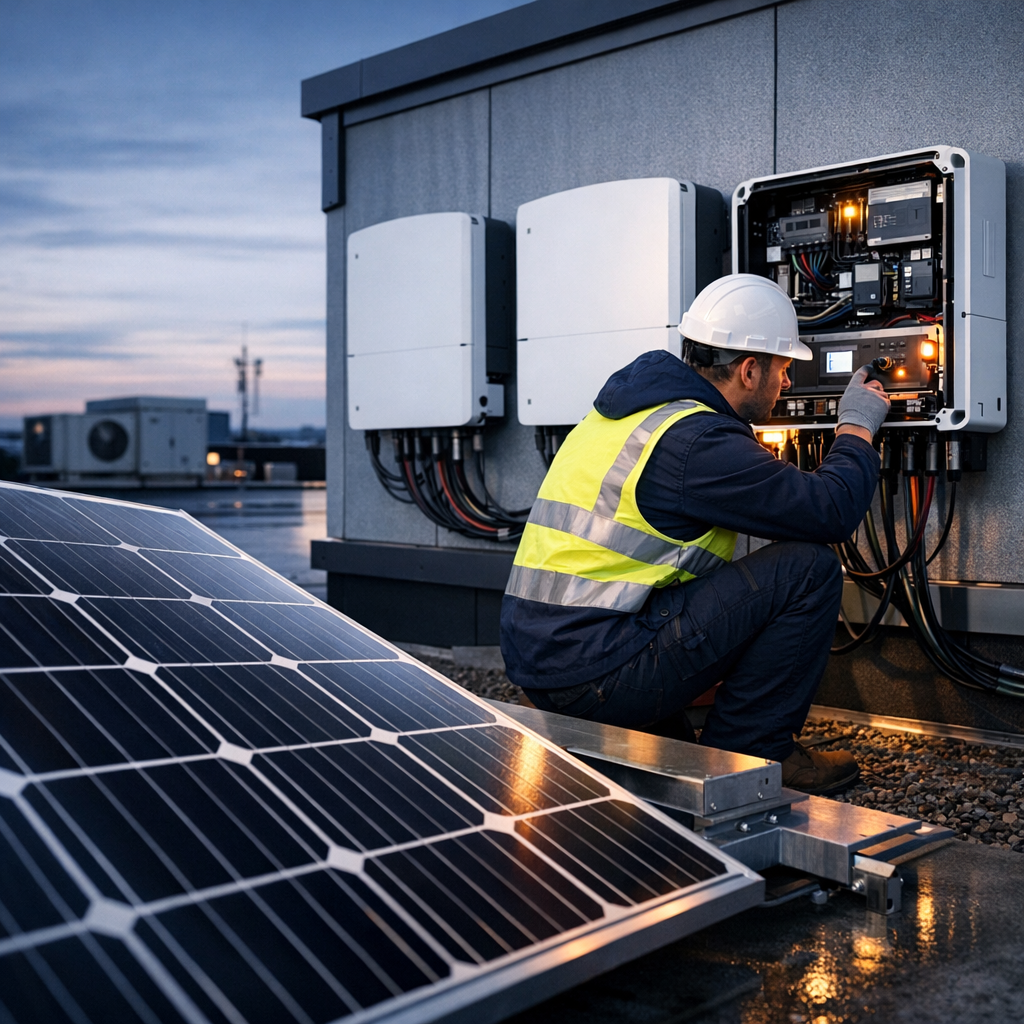
Practical steps to vet a solar partner
1. Validate commercial experience and certifications
- Ask for recent commercial project portfolios, not just residential jobs. Look for similar building types, roof systems, and system sizes.
- Confirm licenses and insurance, including ROC or state contractor registrations in Arizona, Nevada, and Texas where you operate.
- Check for industry certifications relevant to commercial installs, and ask about code compliance and UL-listed equipment.
2. Check reviews, references, and proof of performance
- Read verified customer feedback and ask for project references you can call. Reputation matters, especially for dealers who will represent the company.
- Look for long-term relationships with other dealers, repeat commercial customers, and case studies that show before and after energy savings.
- Visit the company's reviews page and recent project pages to confirm consistency. See Independent Solar’s reviews for an example of transparent customer feedback: https://independentsolar.com/reviews/.
3. Evaluate warranties, service, and long-term support
- Ask who handles service and repairs years after commissioning. Is it the original installer or a third party?
- Verify equipment and installation warranties, performance guarantees, and response SLAs for service calls.
- Confirm whether the company provides monitoring, preventative maintenance, and rapid replacement policies for failed components.
4. Inspect financing, incentives, and tax-credit expertise
- A reliable commercial partner helps navigate federal and state incentives, including the Investment Tax Credit and applicable bonus credits.
- Ask whether they provide PPA, lease, loan, or cash options and whether they assist with documentation for tax-credit claims.
- For specialized commercial guidance, see Independent Solar’s commercial tax-credit overview and financing pages for how installers support complex deals: https://independentsolar.com/commercial-solar-tax-credits-arizona-2024-savings-how-to-claim/ and https://independentsolar.com/financing/.
5. Confirm quality of equipment and procurement transparency
- Ask which module and inverter brands they use and whether components are sourced through reputable distributors.
- Require bill-of-materials transparency and clear procurement timelines. Vendor substitutions should be pre-approved in writing.
6. Assess dealer support and onboarding
- If you’re a dealer or sales rep, evaluate the partner’s dealer program, margins, training, and onboarding. A strong program offers marketing assets, sales training, quoting tools, and clear commission schedules.
- Look for a partner that offers co-branded proposals and joint site visits, because that reduces friction and improves close rates. Apply to become a dealer to test the onboarding and support flow: https://independentsolar.com/application-form/.
Red flags to watch for
- Poor or no commercial references, especially for projects similar to yours.
- Vague warranty language, or avoidance when asked for service response times.
- Unwillingness to provide a full breakdown of costs, procurement sources, or project timeline.
- Pressure to sign without full design documents, permitting plans, and equipment lists.
How dealers should present a vetted partner to customers
- Lead with verified proof points: completed commercial projects, referenced savings, and warranty terms.
- Share a simple maintenance plan and contact for support to reassure property owners about long-term reliability.
- Offer financing and tax-credit guidance up front so customers see full ROI, not just installation costs.
FAQs
What documentation should I request before signing a commercial solar agreement?
Request full site design, engineered drawings, one-line diagrams, equipment specifications, procurement timelines, warranties, proof of contractor licensing and insurance, and a clear change-order policy.
How can I verify a solar company's reputation quickly?
Look at verified reviews, ask for recent commercial references, view case studies, and confirm they have a track record in your state. Independent Solar publishes reviews and project details at https://independentsolar.com/reviews/ to help dealers and customers check reputation.
Should dealers require onboarding or training before selling a partner’s products?
Yes, demand product and sales training. Effective onboarding reduces objections in the field, shortens sales cycles, and protects your commission by ensuring consistent messaging.
How do battery storage and grid resiliency factor into partner selection?
If you sell to businesses that need backup power or demand-charge management, choose a partner experienced with commercial battery systems and system integration, and that documents islanding and safety compliance.
What warranty terms are essential for commercial projects?
Look for at least 10 years on workmanship, manufacturer equipment warranties for 10 to 25 years where applicable, and a service SLA that commits to fast response times for repairs.
Can a dealer switch partners mid-project if issues arise?
Switching mid-project is risky, and may void warranties. Vet partners thoroughly up front. If problems happen, document issues, escalate with the partner’s management, and consult your contract for remedies.
Ready to partner with a proven solar team
If you want a partner that supports dealers, handles commercial-grade installs, offers battery storage, and helps with financing and tax-credit documentation, start by reviewing partner references and asking for a dealer onboarding demo. Independent Solar offers a dealer application and documented reviews so you can evaluate support and reputation directly. Apply to become a dealer here: https://independentsolar.com/application-form/ and review customer feedback at https://independentsolar.com/reviews/.
You can also request a project consultation or learn about our commercial services and industries served at https://independentsolar.com/industries/ or schedule an installation discussion at https://independentsolar.com/solar-system-installations/.
Conclusion
Finding a reliable solar partner is a mix of focused questions, document checks, and reputation verification. Do the homework, prioritize commercial experience and dealer support, and insist on clear warranties and service SLAs. When you align with a reputable installer you protect your brand, increase close rates, and deliver long-term value to customers.
Become a dealer with a partner that treats your pipeline like its own business. Apply now: https://independentsolar.com/application-form/.








 Arizona:
