
When to Upgrade Commercial Solar System: Signs and ROI Guide
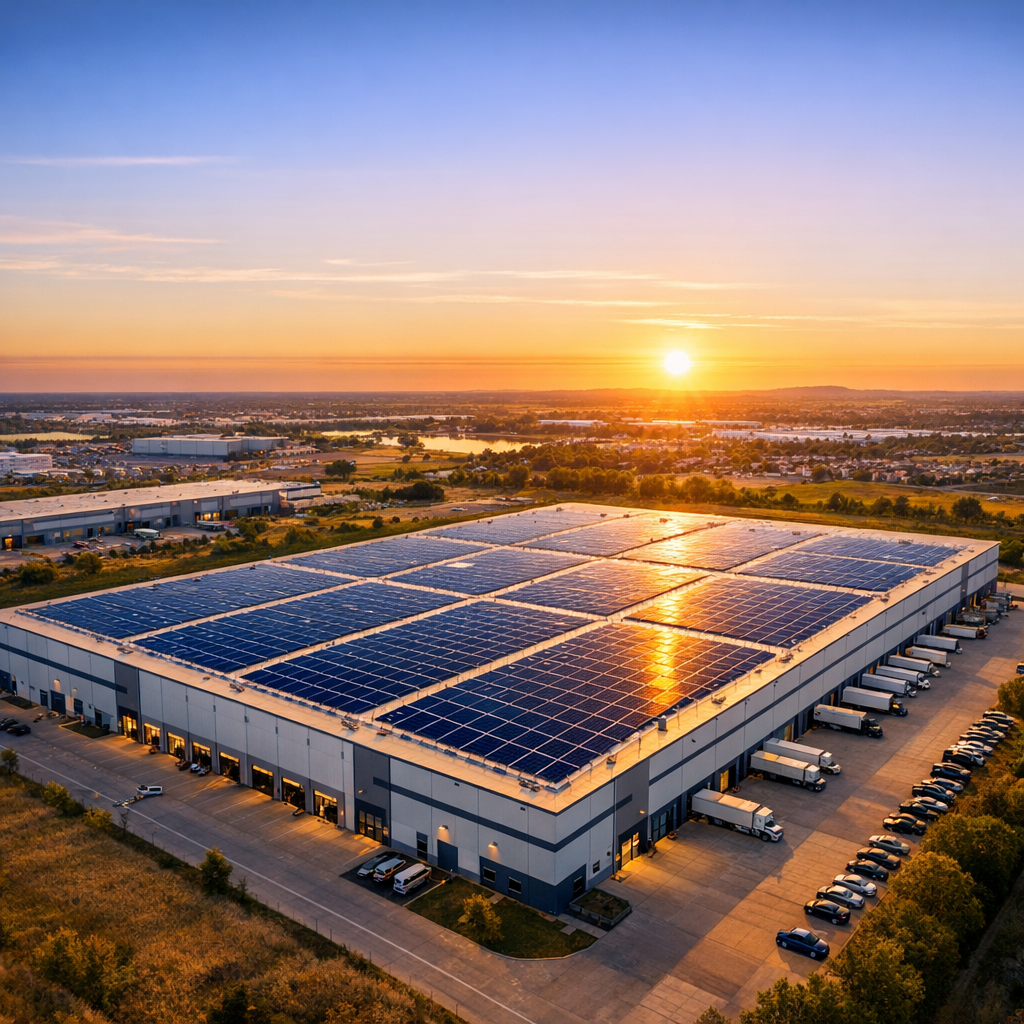
Deciding whether it’s time to upgrade your commercial solar setup can feel overwhelming for property owners, facility managers, and dealer partners. You want the best lifecycle value from panels, inverters, and batteries without overinvesting too soon.
Here’s a practical, business-first guide to recognize the top signs, calculate payback and ROI, and plan upgrades that protect uptime and boost savings. In this post I’ll cover the technical triggers, financial signals, and partnership advantages that answer when to upgrade commercial solar system needs for dealers and building owners.
Why upgrade matters for commercial owners and dealers
Upgrading isn’t just about swapping older panels. For businesses, an upgrade can reduce demand charges, increase system uptime, improve warranty coverage, and support electrification goals. For dealers and channel partners, offering professional upgrades builds recurring revenue, strengthens client relationships, and differentiates your service offering.
Here’s what to watch for and how to decide the right timing.
Key signs it’s time to upgrade
1. Steady decline in system output
If a well-documented drop in annual generation appears, especially after accounting for soiling and shading, that signals component degradation. Compare current kWh production with baseline year-over-year performance to confirm a trend.
2. Inverter failures or unsupported models
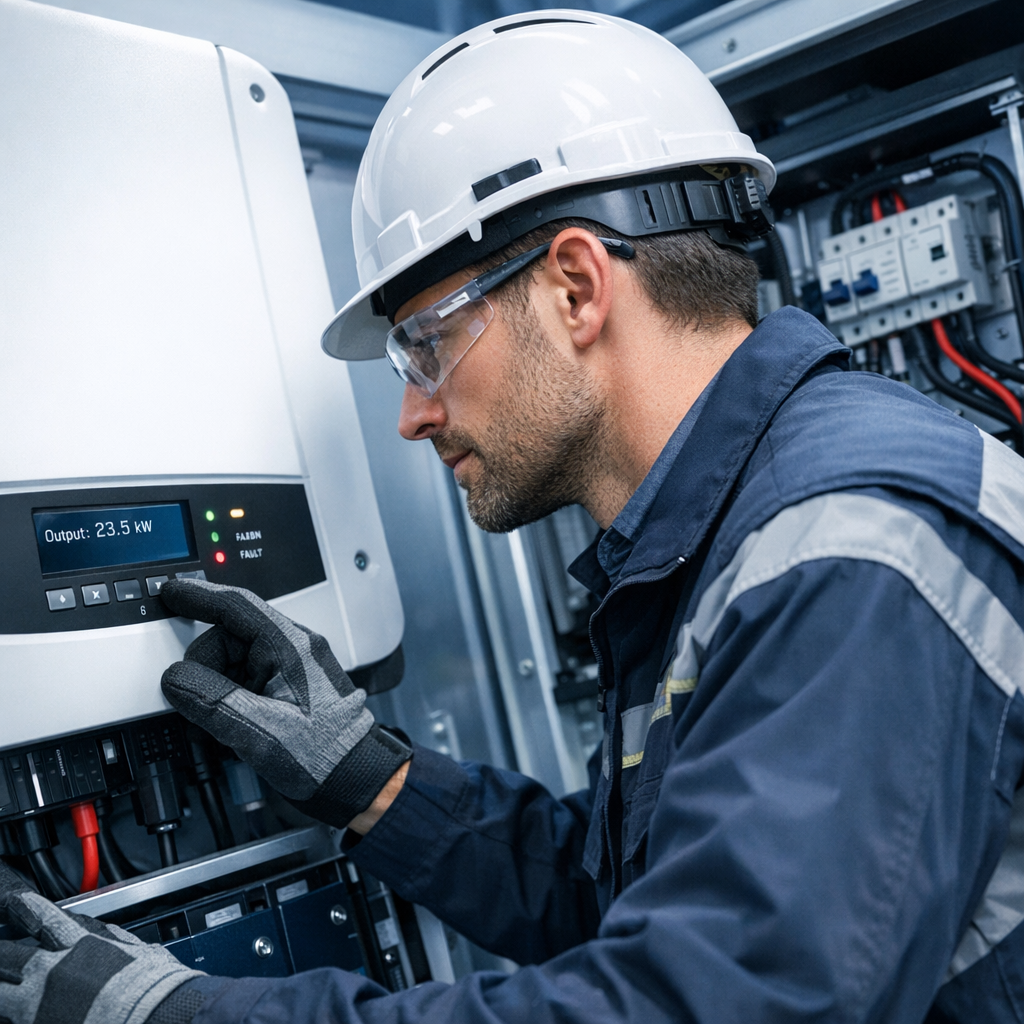
Inverters are the system’s brain. Repeated faults, discontinued firmware support, or inefficient string-level monitoring justify replacing inverters or moving to modern, serviceable microinverters.
3. Aging batteries or poor storage performance
Battery systems typically need inspection after 5 to 10 years depending on chemistry and cycling. If round-trip efficiency, usable capacity, or charge/discharge reliability drops, plan a storage refresh or capacity increase.
4. Business growth or load changes
When a tenant mix changes, a facility expands, or new EV charging is added, you may need more capacity or new controls to manage demand charges. Upgrades allow you to right-size the system for current loads.
5. Warranty expirations and incentives
As manufacturer warranties near expiration, consider a mid-life reassessment. Newer panels and inverters often come with longer warranties and improved performance. Also check any state or federal incentives that could offset upgrade costs.
Financial lenses to decide timing
Calculate incremental ROI
Look beyond simple payback. Model incremental ROI for the upgrade: incremental energy produced, avoided demand charges, added resiliency value, and maintenance savings versus upfront costs.
Prioritize upgrades with fast payback
Start with changes that reduce operating costs immediately, like replacing failing inverters, adding monitoring, or repairing underperforming arrays. These often deliver faster returns than full panel replacements.
Account for soft costs and downtime
Include permitting, design, and lost production during installation. For commercial clients, schedule upgrades during low-use periods to minimize impact.
Technical upgrade options and what they solve
Module refresh or partial re-roof integration
Replacing high-degradation modules or doing selective module swaps restores output and maintains warranty alignment. A re-roof integration is an efficient time to upgrade mounting hardware.
Inverter modernization and advanced monitoring
Move to string inverters with rapid shutdown and remote firmware support, or add module-level power electronics to isolate issues and improve uptime.
Battery capacity and BMS upgrades
Upgrade to higher-cycle or more efficient chemistries and modern battery management systems for improved lifecycle performance and grid services like demand charge reduction.
Controls, EMS, and grid services
Add building energy management and grid-interactive controls to capture demand response revenue, shift loads, and maximize on-site consumption.
Steps to plan a confident upgrade
- Audit: Conduct a full performance and condition audit, including thermographic scans and inverter logs.
- Prioritize: Rank needs by ROI, risk, and disruption.
- Design: Create phased plans that allow incremental improvements rather than full rip-and-replace where possible.
- Finance: Explore financing, PPA addons, and tax credit implications to reduce upfront capital needs.
- Execute: Use a proven installer and documented warranty transfer to protect long-term results.
Independent Solar supports dealers and commercial owners through every step, from technical audits to installation and long-term maintenance. If you represent dealers or are a sales rep looking for a reliable partner to deliver upgrades and recurring business, consider joining our dealer program at Become a Dealer With Independent Solar.
How dealers benefit from offering upgrades
- Predictable, recurring service revenue and maintenance contracts
- Stronger client retention through demonstrated performance improvements
- Ability to sell higher-margin add-ons like energy storage or EMS
- Trusted brand and project support that protects your reputation
Apply to the dealer program and grow your commercial pipeline: Independent Solar Dealer Application.
Common objections and how to answer them
"Isn’t it cheaper to wait until a full replacement is needed?"
Small targeted upgrades often produce faster payback and reduce near-term risk. Waiting can increase emergency outages and higher soft costs later.
"Are incentives still available for upgrades?"
Many jurisdictions and federal rules update regularly. Calculate expected tax benefits and utility rebates into the upgrade financing model.
"What about warranty transfers?"
Work with a licensed installer and request documented warranty assignments and service agreements to maintain manufacturer protection.
Frequently asked questions
How long should a commercial solar system last before upgrading?
Commercial systems can last 25 years or more, but inverters, batteries, and racking may need attention every 7 to 15 years depending on usage and environment.
What’s the quickest upgrade with the biggest impact?
Modernizing inverters and adding energy management or targeted module replacements usually gives the fastest performance and financial impact.
Can I upgrade in phases to spread cost?
Yes, phased upgrades are smart for many businesses. Start with monitoring and inverter refresh, then address modules or storage as budgets allow.
Will upgrading affect existing warranties?
Not if upgrades are executed by certified installers and warranty assignments are documented. Always confirm transferability before work begins.
How do upgrades affect building insurance or permits?
Some upgrades may require updated permits or notification to insurers. Your installer should handle permit pulls and documentation.
How do I evaluate a vendor for upgrades?
Check long-term references, documented commercial installs, review scores, and service agreements. See proof of performance and client reviews at Independent Solar Reviews.
Can dealers get technical support for upgrades?
Yes, dealers partnering with Independent Solar receive project design support, financing guidance, and field-level service assistance. Apply here: Become a Dealer.
Ready to grow your commercial service offering?
If you manage commercial properties or sell solar solutions and want a reliable partner for upgrades and long-term service, Independent Solar offers commercial-grade installs, battery storage, and dealer support built for scale. Apply to become a dealer and expand your offerings: Apply to Join Independent Solar.
Proof you can trust, see customer feedback and installation reviews: Independent Solar Reviews.
Conclusion
Upgrades are about improving reliability, maximizing ROI, and aligning systems with current business needs. Watch for clear performance declines, inverter or battery issues, and load changes that outpace existing capacity. For dealers, upgrades are a revenue opportunity and a way to strengthen client trust. Plan with audits, phased designs, and trusted partners to get the most value.
Become a dealer to deliver confident upgrades that protect your clients and boost recurring revenue: Independent Solar Dealer Application.

 Arizona:
