
Solar for Multifamily Property Owners, Dealer-Friendly Solutions

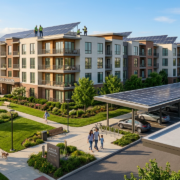
Managing a multifamily property means juggling maintenance, tenant satisfaction, and rising energy bills. Many owners are discovering solar not just as a green upgrade, but as a measurable way to reduce operating expenses, improve net operating income, and make units more attractive to renters.
If you are exploring options, solar for multifamily property owners offers practical pathways to cut utility costs, stabilize cash flow, and partner with dealer-friendly installers who support long-term reliability. Here’s a clear, business-focused guide that explains the benefits, common project structures, financing options, and why joining a strong dealer program can help scale your portfolio.

Why multifamily owners should consider solar now
Reduce operating expenses and stabilize cash flow
Solar directly reduces a building's electricity spending, which lowers common area and amenity costs. For owners, that means improved net operating income and a clearer path to predictable operating budgets. When paired with energy storage, solar can also cut demand charges and provide backup during outages.
Boost property value and renter appeal
Tenants notice lower utility burdens and eco-friendly features. Solar systems can make units more marketable, shorten vacancy periods, and justify modest premium rents in competitive markets.
Leverage incentives and tax benefits
Federal incentives and local programs often reduce upfront cost. Owners who understand tax incentives and utility programs capture better ROI and faster payback timelines.
Common project structures for multifamily solar
Owner-owned systems
The property owner buys the system outright or finances it, keeping the long-term savings and tax incentives. This model maximizes returns over a 10-25 year horizon.
Power purchase agreements and third-party ownership
Third-party models let owners adopt solar with little to no upfront cost, trading immediate capital savings for a long-term, fixed electricity rate.
Virtual net metering and submetering
Where available, virtual net metering lets generation credits flow to multiple tenant meters, while submetering helps owners allocate savings appropriately and stay compliant with local rules.
How battery storage changes the economics
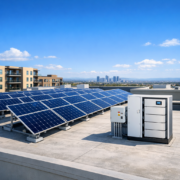
Battery systems let multifamily owners shift load, reduce demand charges, and improve resiliency for critical systems. In areas with time-of-use pricing or high peak demand fees, batteries can materially increase the value proposition of a solar array.
Choosing the right installer and why dealers matter
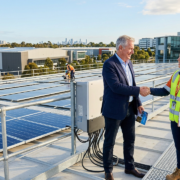
Here's the thing, not all installers are equal. For multifamily projects, you need a partner with commercial-grade installations, strong warranties, and a track record with similar properties. That is where dealer-friendly programs shine. When you work with an established dealer network, you get:
- Transparent pricing and financing options tailored for commercial assets.
- Dedicated project managers who understand multifamily regulations and HOA requirements.
- Long-term maintenance plans and quick response for repairs.
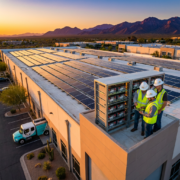
Independent Solar is structured to support dealers and property owners with commercial-grade installations, battery storage, and long-term service, which reduces the risk of unreliable installers and poor communications. If you are a sales rep or channel partner looking to scale, consider applying to become a dealer to access commissions, training, and consistent project delivery: https://independentsolar.com/application-form/.
Financing strategies and ROI considerations
Upfront purchase vs financing
Buying gives the best long-term return and full access to tax credits. Financing spreads cost and preserves capital, while preserving some benefits if structured correctly.
Tax credits and incentives
Investigate federal investment tax credits and local incentives. Properly structured projects can enjoy meaningful reductions in initial costs and improved payback periods.
Simple payback and lifecycle value
Calculate expected savings, maintenance costs, and expected system life. Multifamily roofs tend to be large and flat, allowing efficient layouts and strong production estimates when paired with commercial-grade components.
Operational best practices for multifamily owners
- Conduct an energy audit before design to target the best load reductions.
- Ensure roof condition assessments and plan for roof work prior to installation.
- Engage tenants early, communicate expected benefits, and consider tenant-facing dashboards for transparency.
- Plan for maintenance and warranty transfers in lease or HOA documents.
Reputation, reviews, and trust
Choosing a company with verifiable reviews and strong reputational metrics is critical. Independent Solar emphasizes long-term reliability, transparent support, and dealer enablement to help you represent a brand confidently. See real customer feedback and install satisfaction to verify performance at https://independentsolar.com/reviews/.
FAQs
How much can a multifamily building save with solar?
Savings vary widely based on local rates, system size, and building load profiles. Many properties see meaningful annual reductions in common-area and amenity electricity costs that improve NOI within a few years.
Will solar disrupt tenants during installation?
Installers use staged approaches to limit disruption. Good partners coordinate with property management, work during off-peak hours when possible, and keep common areas accessible.
Can I combine solar with energy efficiency upgrades?
Yes. Efficiency measures such as LED upgrades, HVAC optimization, and smart controls reduce the required array size and improve ROI when combined with solar.
What warranties and maintenance should I expect?
Commercial-grade installers provide panel and inverter warranties, plus workmanship warranties. A long-term maintenance plan and prompt service response are essential for multifamily assets.
How do I get started as a dealer or partner?
If you are a dealer, sales rep, or channel partner, apply to join the dealer program for commissions, training, and consistent project execution: https://independentsolar.com/application-form/.
Are batteries worth it for multifamily properties?
In many cases, yes. Batteries reduce demand charges, provide resiliency for essential systems, and enable better energy management for complex load profiles.
Next steps for owners and dealers
If you manage multifamily properties and want a partner who understands commercial installs, dealer support, and long-term reliability, start the conversation. Independent Solar supports dealers and property owners with commercial rooftop and ground-mount systems, storage, and a structured dealer program that reduces project risk. Apply to become a dealer and grow your pipeline: https://independentsolar.com/application-form/.
For third-party feedback and to check install satisfaction, review recent customer testimonials and case studies: https://independentsolar.com/reviews/.
Ready to scale your portfolio with reliable solar?
Solar can be a strategic lever to lower costs, increase asset value, and improve tenant satisfaction. If you want a dealer-friendly partner who delivers quality installations and ongoing support, consider applying to join the Independent Solar dealer network now: https://independentsolar.com/application-form/.
In short, multifamily owners who pair smart project design with experienced dealers capture the most value. Reach out, evaluate your roof and load profile, and let an experienced commercial team walk you through finance options, storage integration, and long-term maintenance plans.





 Arizona:
