
Long Term Reliability of Commercial Solar Systems, Trusted Guide
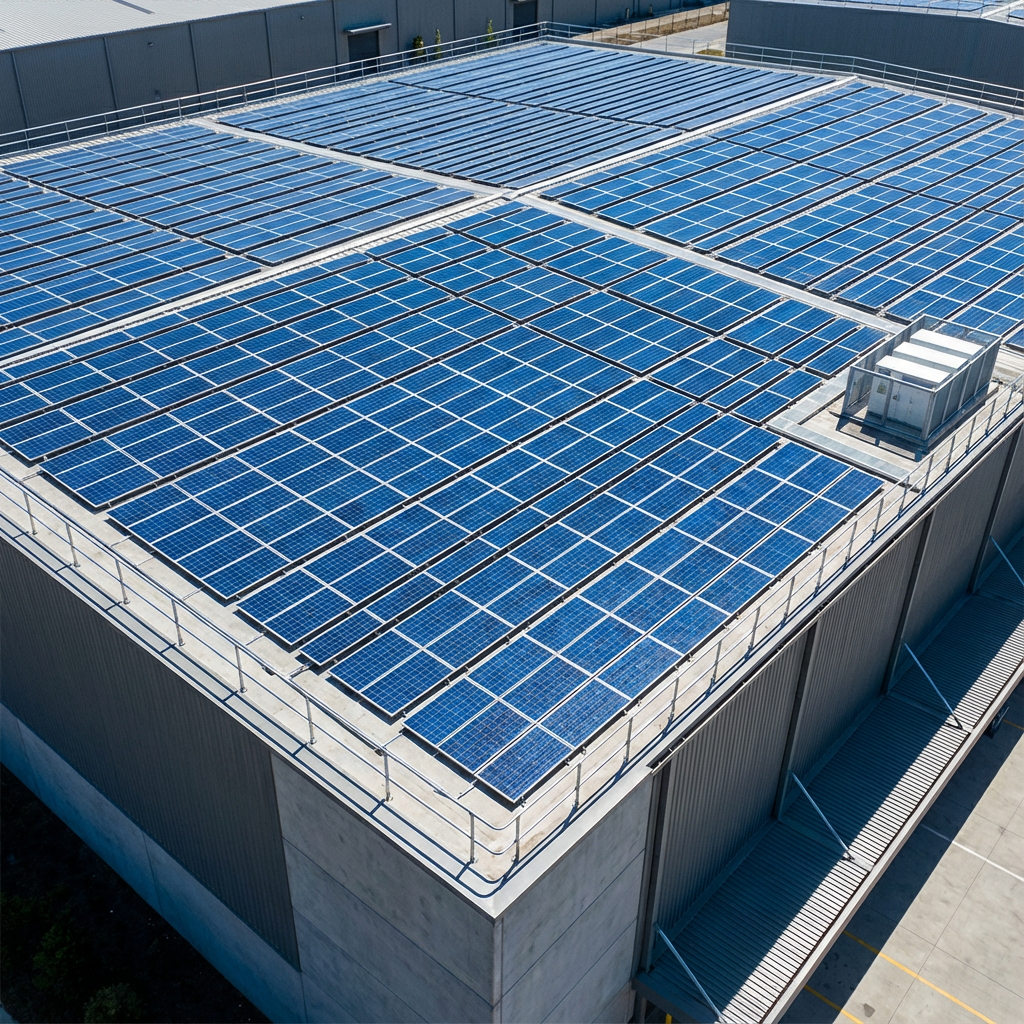
Commercial energy teams and channel partners ask the same question again and again, what will my system actually deliver in 10, 20, or 30 years? You want confidence, not surprises. In this guide you'll learn what influences the long term reliability of commercial solar systems and which decisions today protect performance and cash flow down the road. The term long term reliability of commercial solar systems will be used where it helps clarify choices, but the focus is practical: hardware life, degradation, maintenance, warranties, and partner responsibilities.
Why reliability matters for commercial buyers and dealers
Reliability is not just about panels lasting a long time. It is about consistent energy delivery, predictable savings, and minimizing downtime for your tenant or operations team. For dealers and channel partners, reliability equals reputation. For building owners, it translates into lower operating costs and reduced risk.
Key reliability goals for commercial systems:
- Stable annual energy production and low degradation
- Robust inverters and balance-of-system components
- A clear maintenance and monitoring plan
- Strong warranties and a responsive service partner
How long do components actually last?
Solar modules and degradation
High-quality commercial panels commonly show low annual degradation, often under 0.6% per year for modern monocrystalline modules. That means many systems still produce 85 to 95 percent of their original output after 25 years. Panel manufacturers issue performance warranties that typically guarantee around 80 to 90 percent output at 25 years, but field data and lab testing often show better performance for premium products.
Inverters and electrical balance of system
Inverters and power electronics are the most common service items on commercial arrays. String and central inverters typically have lifespans between 10 and 15 years, and many owners plan one major inverter replacement within the first 20 years. Choosing modular inverter designs, offering hot-swappable parts, and maintaining spare inventory reduces downtime.
Racking, wiring, and rooftop interfaces
Mechanical durability matters, especially in high-wind or hail-prone regions. Corrosion-resistant racking, proper roof penetrations, and professional flashings prevent leaks and structural issues over decades. For ground-mount projects, corrosion and foundation settling need periodic inspection.
Batteries and storage systems
Battery energy storage systems have different lifecycle profiles: many commercial battery warranties cover a defined energy throughput or years, often 10 to 15 years. When combining storage with PV, plan for battery replacements or capacity upgrades mid-life to preserve reliability and grid services.
Design decisions that drive long-term reliability
Choose proven components from Tier 1 manufacturers
Premium modules and inverters cost more upfront but reduce degradation and failure risk. For commercial projects, the lifetime energy yield often justifies the higher initial investment.
Oversize and derate strategically
Designs that allow for a margin, such as inverter oversizing or conservative string layouts, keep systems operating near peak efficiency under real-world conditions and reduce strain on critical components.
Prioritize proper installation and QA
A top-quality design is only as good as the installation. Skilled mounting crews, correct torqueing, sealed penetrations, and documented quality assurance reduce early-life failures and warranty headaches.
Include remote monitoring and preventative maintenance
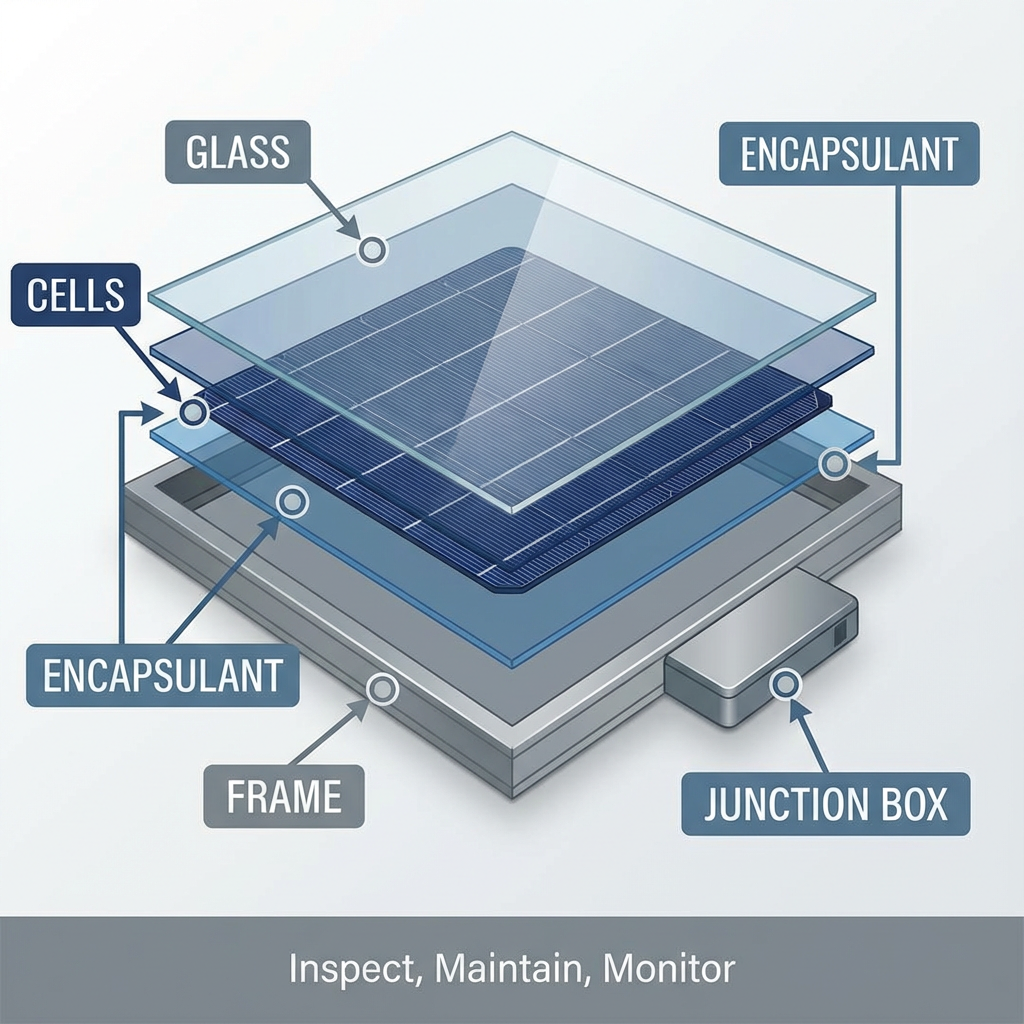
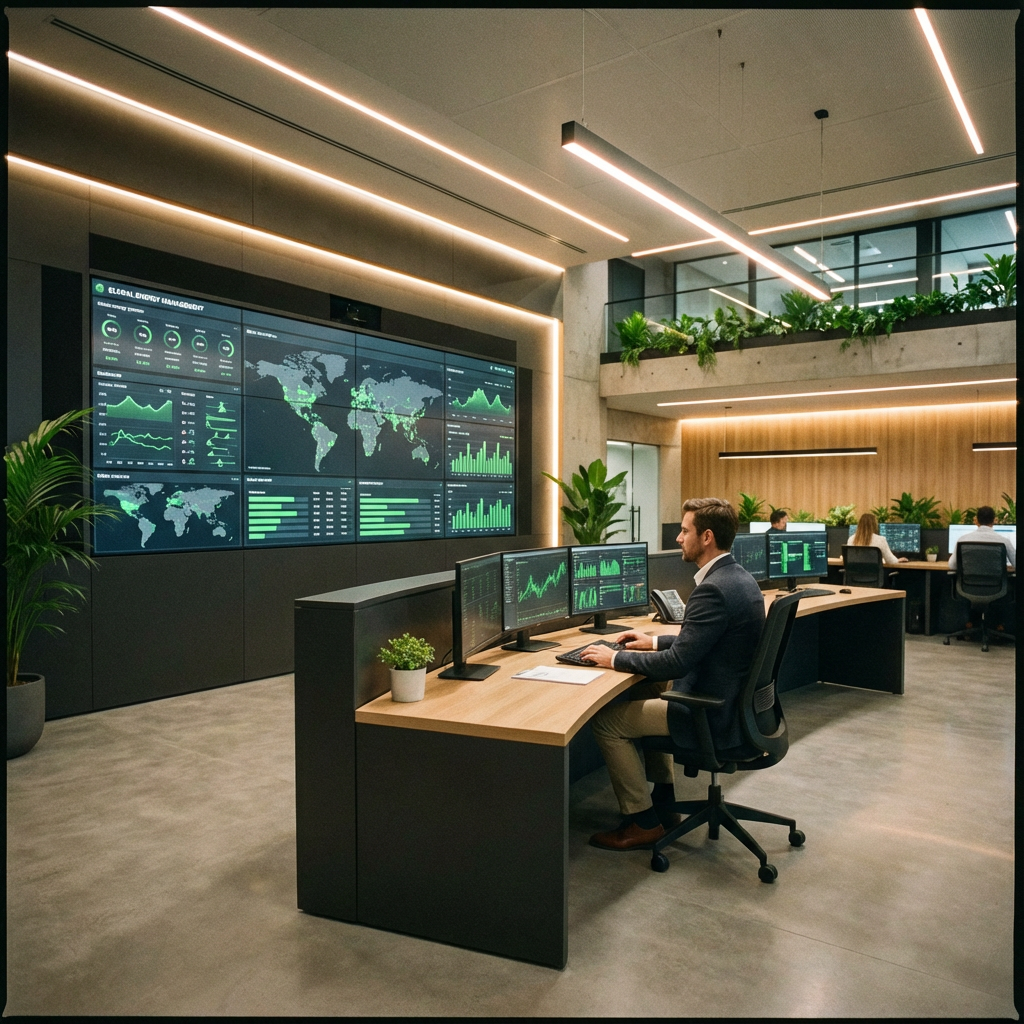
Real-time monitoring lets teams spot underperformance or faults quickly. Scheduled O&M, thermal imaging inspections, and vegetation control are low-cost activities that keep systems healthy and reduce degradation over time.
Warranties, service agreements, and financial planning
Understand three warranty layers: product (panels), performance (year-over-year output), and workmanship (installation). For commercial buyers, secure a long-term maintenance agreement or service-level arrangement with response-time commitments. Also model replacement costs for inverters or batteries into long-range financial projections so surprises are limited.
Common objections and practical answers
- "Solar panels fail at year 25." Modern modules rarely fail outright at warranty year 25. They decline gradually. Owners should expect lower output, not sudden failure.
- "Batteries are too short-lived." Batteries are an investment with different lifetime math. For many commercial use cases, the operational benefits justify scheduled replacements.
- "Roof warranties get voided by mounting." A reputable installer will coordinate with roofing professionals, provide documented penetrations and warranties, and often offer integrated roof-to-solar guarantees.
Operational checklist for 10+ year reliability
- Baseline commissioning report and O&M manual delivered at handover
- Remote monitoring with alerting set to owners and service team
- Annual visual inspections and thermal imaging every 2–3 years
- Spare parts plan for inverters and critical BOS components
- Budget line item for inverter/battery refresh at year 10–15
Frequently Asked Questions
How long will a commercial solar system produce useful energy?
A properly specified and installed commercial PV system will provide useful energy for 25 to 35 years. Modules degrade gradually, so many systems still generate strong outputs well past 25 years.
What component fails most often and how is it handled?
Inverters are the most service-prone. Use modular equipment, maintain spare inventory, and include inverter replacement in long-term budgets to limit operational impact.
Do solar warranties cover everything I worry about?
Warranties vary. Product and performance warranties protect module durability and output, but workmanship warranties and service agreements address installation issues and response times. Read contracts closely.
How much does maintenance cost annually for a commercial system?
O&M costs vary with system size and complexity but often range from a few hundred to a few thousand dollars per MW per year for basic monitoring and annual inspections. More active operations and storage increase O&M spend.
Should I buy batteries with my commercial PV system?
If you need backup power, demand charge management, or grid services, battery storage can increase system value and resilience. Plan for lifecycle replacements and factor that into ROI projections.
How do local climates affect long-term reliability?
Extreme heat, frequent freeze-thaw, hail, and high humidity accelerate degradation or cause damage. Tailor design and maintenance schedules to local weather risks.
How do I pick a reliable solar partner?
Look for a company with commercial references, clear service SLAs, transparent warranties, and local presence. Ask about long-term support, spare parts strategy, and dealer or channel partner programs.
Next steps for dealers and commercial owners
If you represent a dealer network or manage commercial property, set up a reliability review during project planning: define warranty handover, monitoring access, maintenance cadence, and mid-life refresh planning. Independent Solar offers commercial-grade installations, maintenance, and a dealer program designed to support long-term system performance. Learn more about the industries we serve, financing options, and partner programs here: Industries We Serve, Financing Options, Contact Our Team, and view customer feedback on our Reviews page: Independent Solar Reviews.
Ready to lock in reliable commercial performance?
If you want a partner that plans for the long term, not just the sale, Independent Solar builds systems and service plans designed for decades of performance. Start a conversation at https://independentsolar.com/ and get a reliability-first proposal tailored to your facility.
Conclusion
Long-term reliability is the sum of good components, thoughtful design, professional installation, consistent monitoring, and a service partner that honors warranties and response times. Focus on these elements when evaluating projects, and you secure dependable generation, lower risk, and a stronger reputation for your dealer network. With the right plan, your commercial solar system will be a long-lived asset that reduces operating costs and supports sustainability goals for decades.

 Arizona:
