
Commercial Solar Financing Options for Churches Step-by-Step
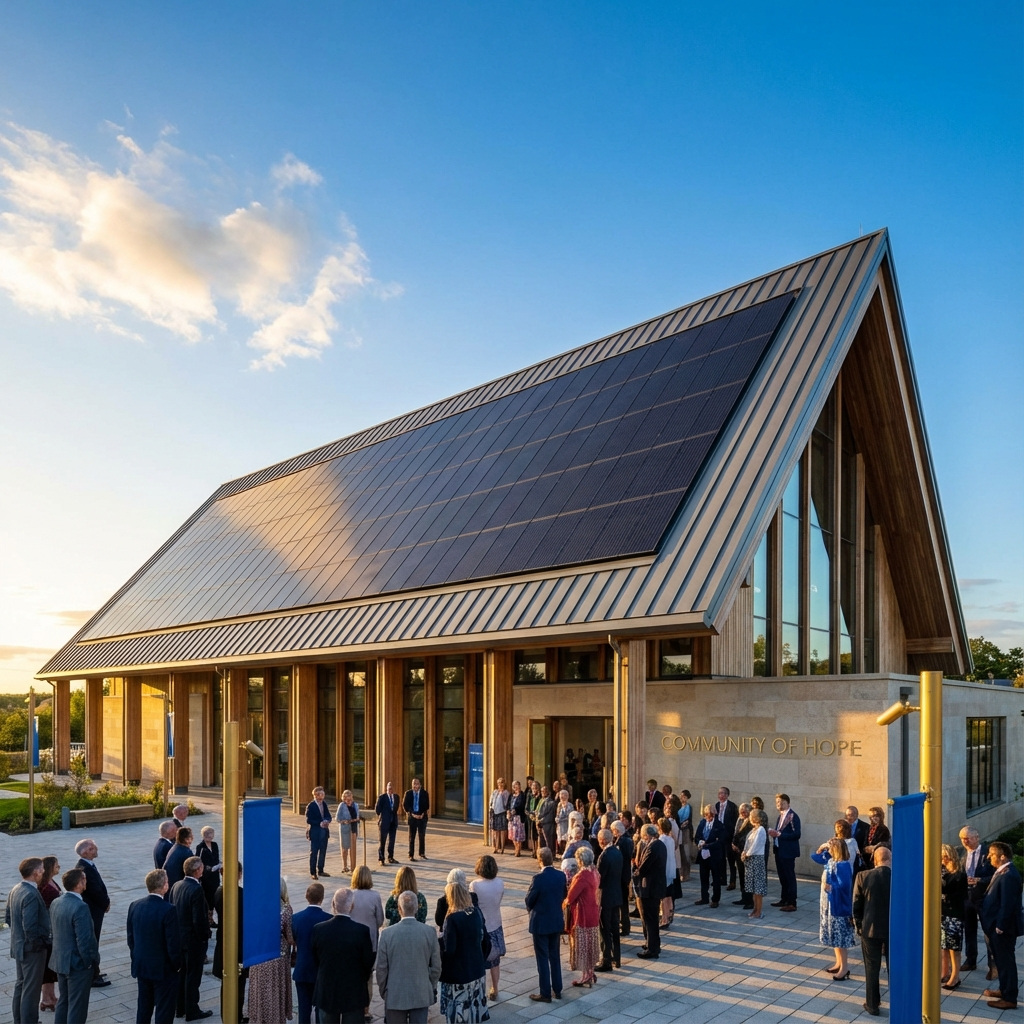
Church budgets are tight, and rising utility costs hit ministries where it matters most, in program dollars and community services. Solar can cut electric bills, stabilize operating expenses, and free up funds for mission work, but the financing path for a church can feel complicated at first.
Below you’ll find a clear, practical breakdown of the most common funding routes, how tax rules and nonprofit status change the picture, and real next steps your church or dealership partner can take. You’ll also see why Independent Solar is a dealer-friendly partner that helps churches navigate financing, permits, and long-term maintenance.
Why churches go solar now
Churches, temples, mosques, and other places of worship often run on tight operating margins. Solar reduces monthly electric bills, protects against utility rate spikes, and is a visible community investment in stewardship. Many congregations also value resilience features like backup power and battery storage for emergencies.
Here’s the thing, financing matters. Every church has different constraints: tax-exempt status, limited capital budgets, donor appetite, and local incentive availability. That’s why you need a menu of options and a trusted commercial installer who understands nonprofit procurement. Independent Solar helps dealers and church leaders evaluate options and present clear proposals that match mission and cashflow goals. See real customer feedback and install satisfaction at Independent Solar Reviews: https://independentsolar.com/reviews/.
Commercial Solar Financing Options for Churches: quick overview
1) Cash purchase
- Best for churches with capital reserves, foundations, or major donor gifts. You own the system outright and capture the highest long-term savings.
- Pros: maximum savings, full control, easier pairing with battery storage.
- Cons: requires upfront capital; not feasible for many congregations.
2) Solar Loans (commercial or nonprofit-friendly loans)
- Loans let churches own the system while spreading payments. Loan terms vary — 5 to 20 years is common.
- Pros: ownership, better lifetime ROI than leases, often low-interest green loan options.
- Cons: debt on balance sheet unless structured through third-party entities.
3) Power Purchase Agreements (PPAs) and Leases (third-party ownership)
- A third-party developer owns the system and sells the energy or leases the system to the church. This is often the best route when a nonprofit cannot use tax credits directly.
- Pros: little or no upfront cost, predictable energy rates, third party monetizes tax credits.
- Cons: lower long-term savings compared with owning outright, contract complexity.
4) Tax-credit monetization and transfer options
- Nonprofit churches typically cannot use federal tax credits directly. Third-party ownership structures or tax-equity partners are common ways to monetize the Investment Tax Credit (ITC). In some cases, credits may be transferrable or claimable by a partner entity. Rules change over time, so consult a tax advisor and the latest IRS/DOE guidance. For federal guidance, see the U.S. Department of Energy resource on federal tax credits and IRS rules: https://www.energy.gov/eere/solar/federal-tax-credits-solar-manufacturers and IRS guidance pages.
5) Grants, donations, and community funding
- Crowdfunding, capital campaign gifts, grants from faith-based foundations, and community impact investors can cover part or all of a project. This route is often blended with loans or partial cash payments.
6) PACE and other special local programs
- Property-Assessed Clean Energy (PACE) programs allow long-term repayment through property tax assessments. Eligibility varies significantly by state and jurisdiction and may not be available for all nonprofits or church ownership models.
7) Energy-as-a-Service and Performance Contracts
- Some congregations use performance contracting or Energy Savings Performance Contracts (ESPCs) to pay for upgrades through guaranteed utility savings. These are more common for municipal or large institutional buyers but sometimes adapt to faith organizations.
How nonprofit status changes the math
Nonprofits usually cannot use tax credits themselves, so structures that let a taxable partner own the system and monetize credits are common. That partner can be a municipal partner, a tax-equity investor, or the solar developer. This is why many churches choose PPAs, leases, or a partnership with a dealer who can arrange third-party ownership. Independent Solar works with dealer partners and channel reps to structure compliant, profitable offers that protect the church’s mission and cashflow. Apply to become a dealer here: https://independentsolar.com/application-form/.
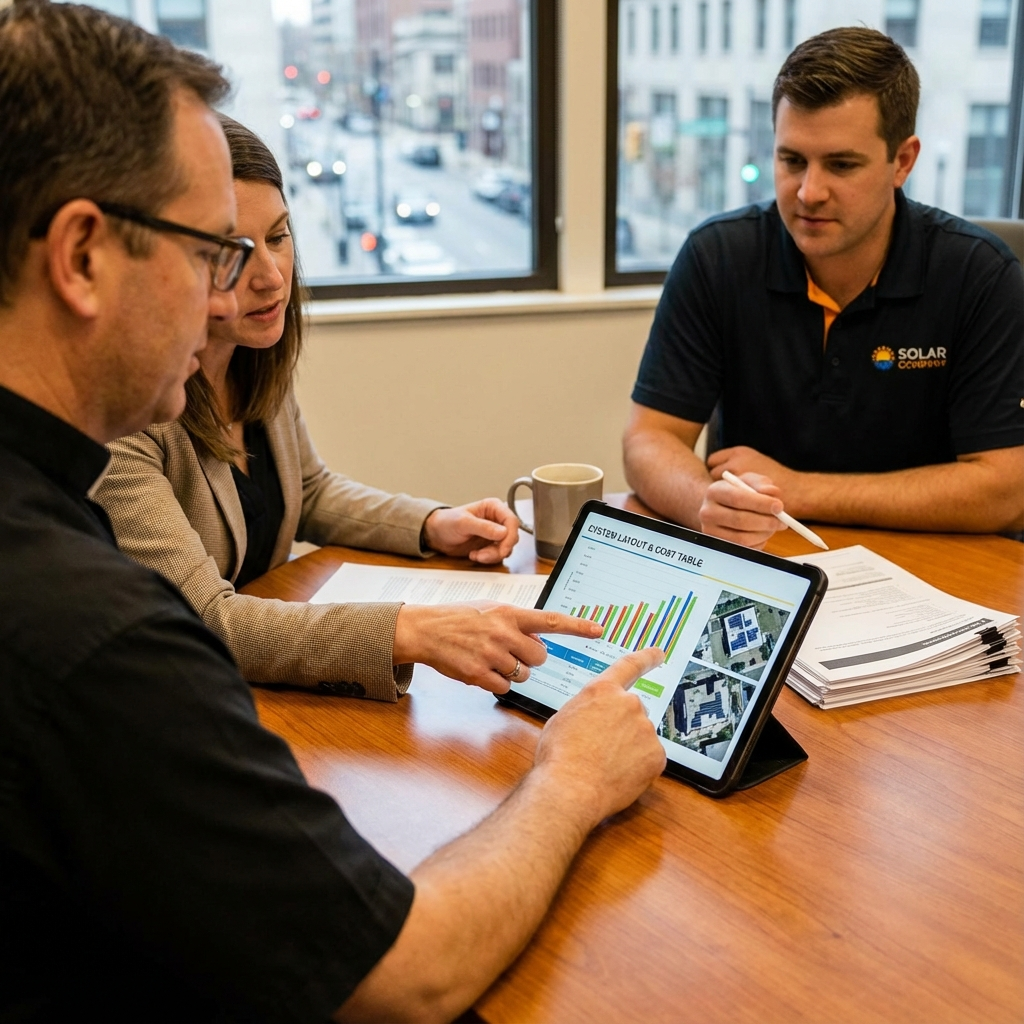
Choosing the right option: questions to ask
- Do you own the property or is it held by a separate nonprofit entity?
- Can your organization accept tax credits, or do you need a third-party owner?
- What is your fundraising timeline and appetite for debt?
- Do you need backup power or battery storage for critical services?
Independent Solar’s financing page explains common pathways and tools dealers use when preparing proposals: https://independentsolar.com/financing/. Independent Solar also serves many commercial industries including places of worship, see their industries page: https://independentsolar.com/industries/.
Why work with a dealer-friendly installer
Dealers and sales reps who sell into churches need a partner who understands nonprofit procurement, can provide clear financing options, and supports the deal after the sale. Independent Solar offers dealer onboarding, structured margins, commercial-grade installations, and ongoing support so you can close confidently and keep your congregation satisfied. Become a dealer and access tools, proposals, and training at https://independentsolar.com/application-form/.
FAQ
What federal incentives can a church use for solar?
Churches themselves typically cannot claim the federal Investment Tax Credit, but projects can still qualify when a taxable third party owns the system or through credit transfer/monetization structures. Always confirm current IRS guidance with a tax professional.
Can a church get a loan if it is tax-exempt?
Yes, many lenders offer loans to nonprofits using revenue-based underwriting or by securing the loan with property or donor pledges. Community banks and green lenders often have nonprofit lending products.
Is a PPA a good option for small congregations?
PPAs are often the easiest way to go solar with no upfront costs. They are attractive for congregations that want lower risk and no capital outlay, but compare long-term costs before signing.
Will a solar system impact my church’s property taxes or insurance?
Local rules vary. Some states treat solar as a taxable property improvement; others exempt it. Check with local authorities and your insurer.
Can battery storage be financed with the solar project?
Yes, batteries can be included in loans, leases, or third-party ownership structures. Storage raises resilience but can extend payback timelines.
How long before the system pays for itself?
Payback depends on energy usage, utility rates, system size, incentives, and financing. Many commercial projects see payback in 5 to 12 years under typical financing scenarios.
Next steps for churches and dealers
If you represent a church leadership team, gather 12 months of electric bills and a summary of ownership and fundraising constraints. If you are a dealer or sales rep, get in touch to learn how Independent Solar supports commercial deals and tax-credit monetization strategies. Apply to become a dealer now: https://independentsolar.com/application-form/. Check customer reviews and reputation proof at https://independentsolar.com/reviews/.
Conclusion
Solar is a practical way for churches to cut operating costs and invest more in ministry, but the right financing structure depends on ownership, tax status, and risk tolerance. Whether your congregation needs a low-upfront-cost PPA, an ownership loan, or a mixed funding plan with donor support, there are workable paths. Work with a commercial-grade installer that understands nonprofit rules and dealer partnerships so you can present clear options to your board and donors.
Independent Solar helps dealers close commercial church projects with transparent proposals, taxonomy for tax-credit solutions, and long-term service. Ready to start? Apply to partner with Independent Solar today: https://independentsolar.com/application-form/ and see proof-of-service at https://independentsolar.com/reviews/.

 Arizona:
