
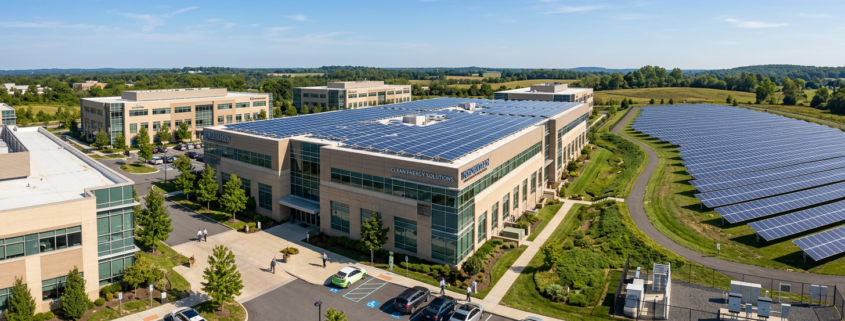
When businesses start comparing solar options, the real question is not just cost, it is control. The choice between ground mount solar vs rooftop can affect system design, production, maintenance access, and long-term value.
For dealers, sales reps, and commercial property owners, that matters. A rooftop array can be a clean fit when the building is ideal. A ground-mounted system can be the better move when the property has space, access, and expansion goals. Either way, the best outcome comes from matching the system to the site, not forcing the site to fit the system.
Ground Mount Solar Vs Rooftop: The Core Difference
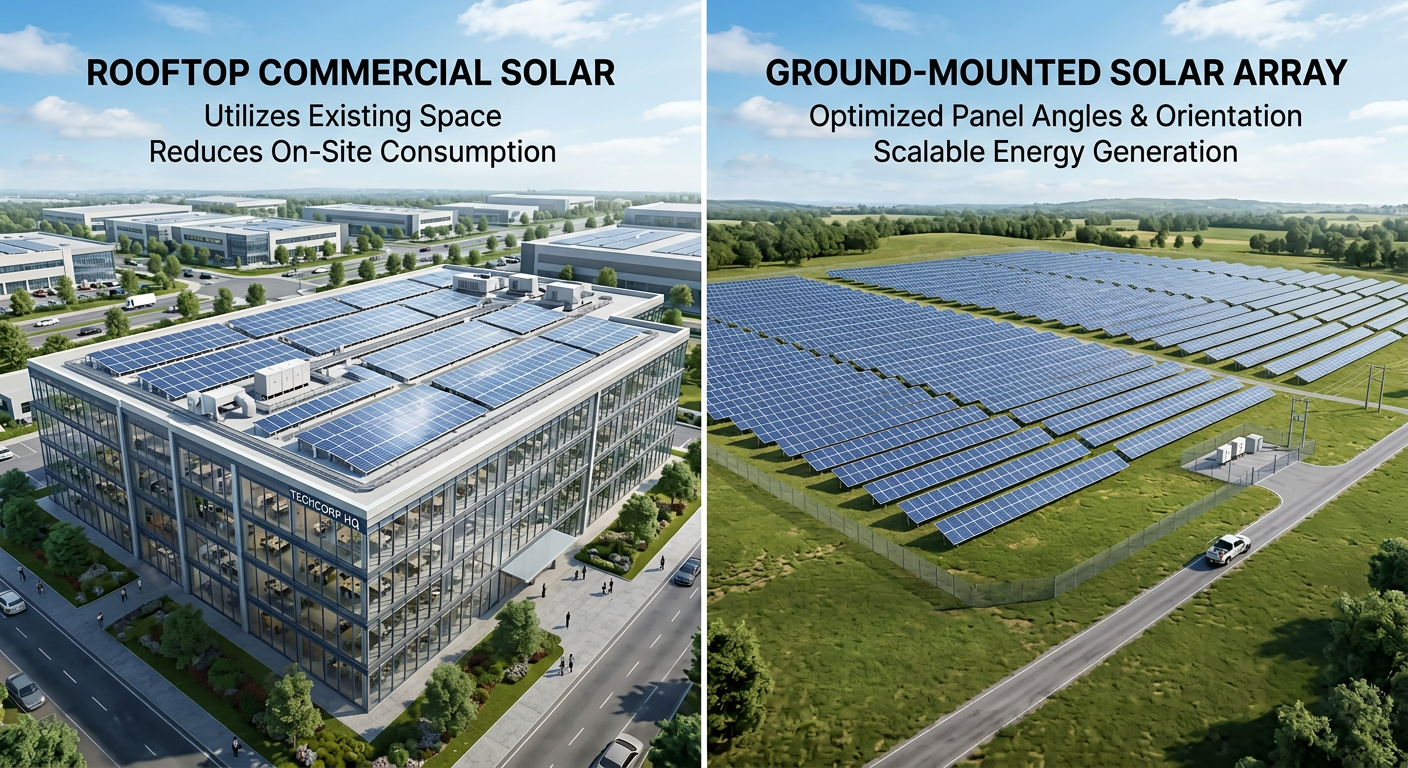
Rooftop solar is installed on an existing building structure. Ground mount solar sits on racking at grade, usually on open land or unused property space. That simple difference changes almost everything about design flexibility, maintenance, and performance.
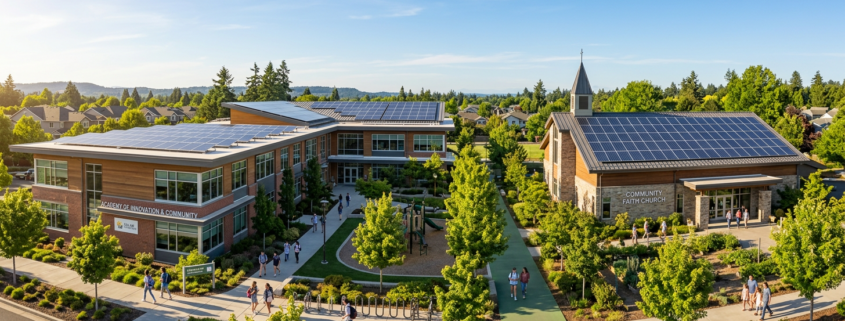
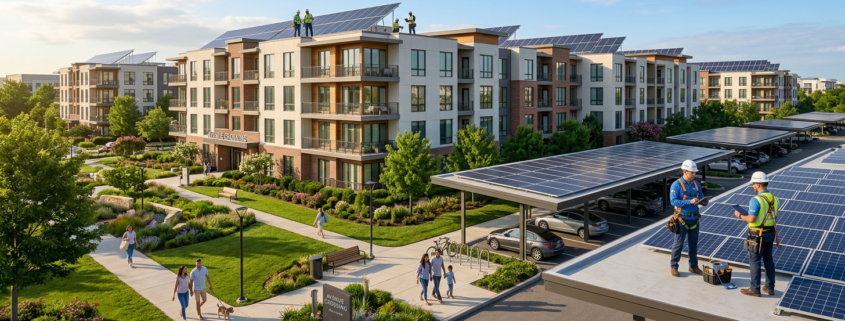
Rooftop systems often work well for retail, office, schools, churches, and multifamily buildings with strong roof structure and good sun exposure. Ground mounts are often a better fit for campuses, agricultural sites, industrial properties, and commercial facilities with available land.
1. Design Flexibility And Energy Output
Ground mount systems usually offer more design freedom. Installers can tilt panels for better sun exposure, space rows for reduced shading, and orient the array for performance instead of being limited by roof shape.
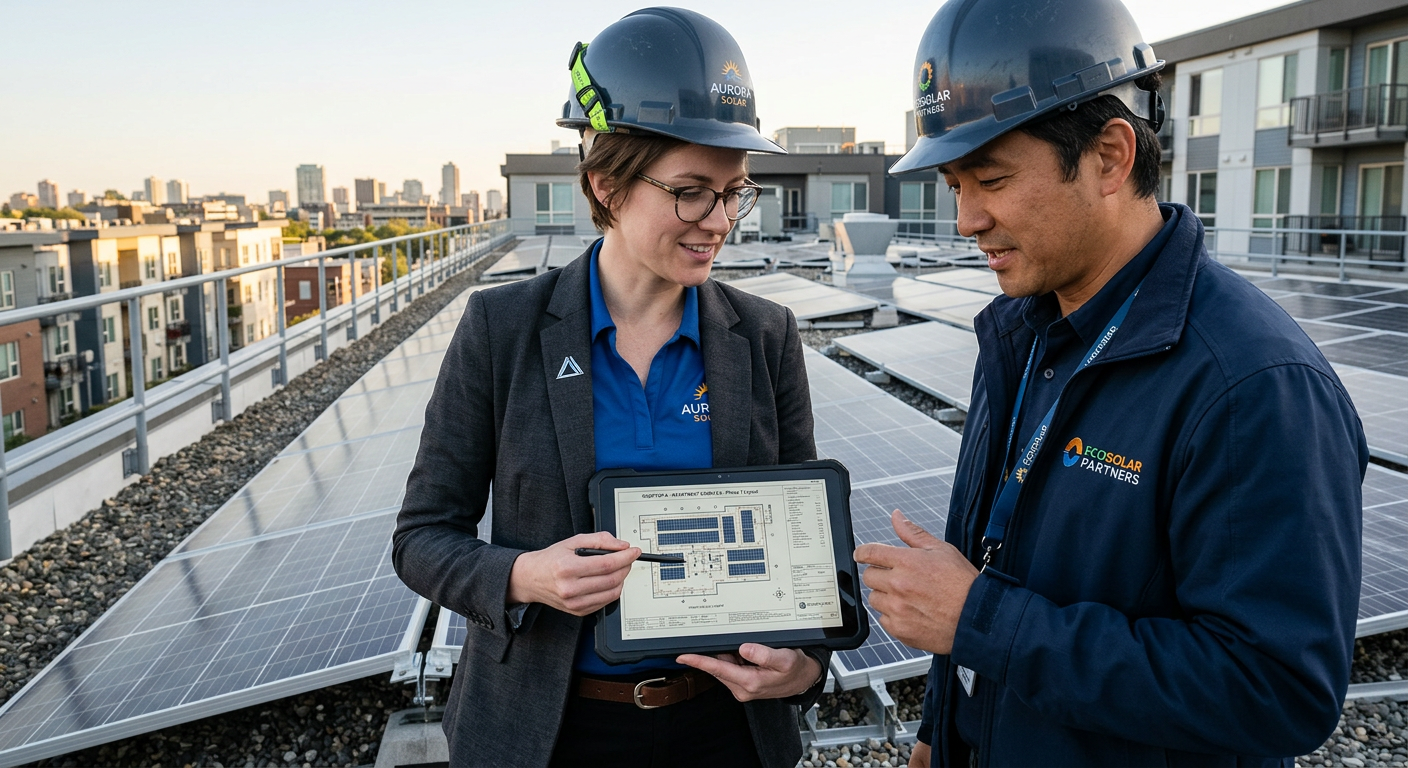
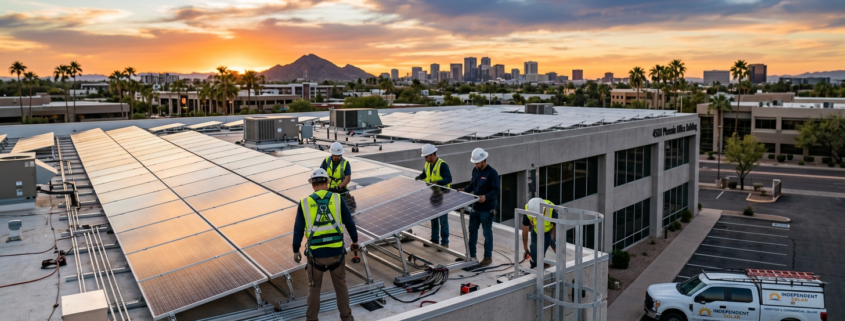
Rooftop systems are more constrained. You are working with roof size, pitch, obstructions, and structural load limits. That is not a bad thing, but it can reduce the size or efficiency of the system.
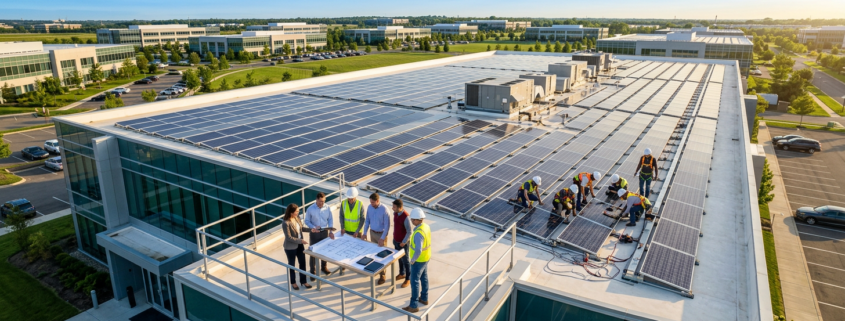
For commercial buyers focused on ROI, that flexibility can matter a lot. If your roof is crowded with HVAC units, skylights, or vents, a ground mount may unlock a larger and more productive array.
2. Installation Complexity And Site Readiness
Rooftop solar can be faster when the roof is in good condition and structurally ready. But if the roof needs repairs, replacement, or reinforcement, that adds time and cost.
Ground mount solar often takes more site prep upfront, including grading, foundations, trenching, and land-use planning. In exchange, it can simplify long-term maintenance because technicians can reach the equipment more easily.
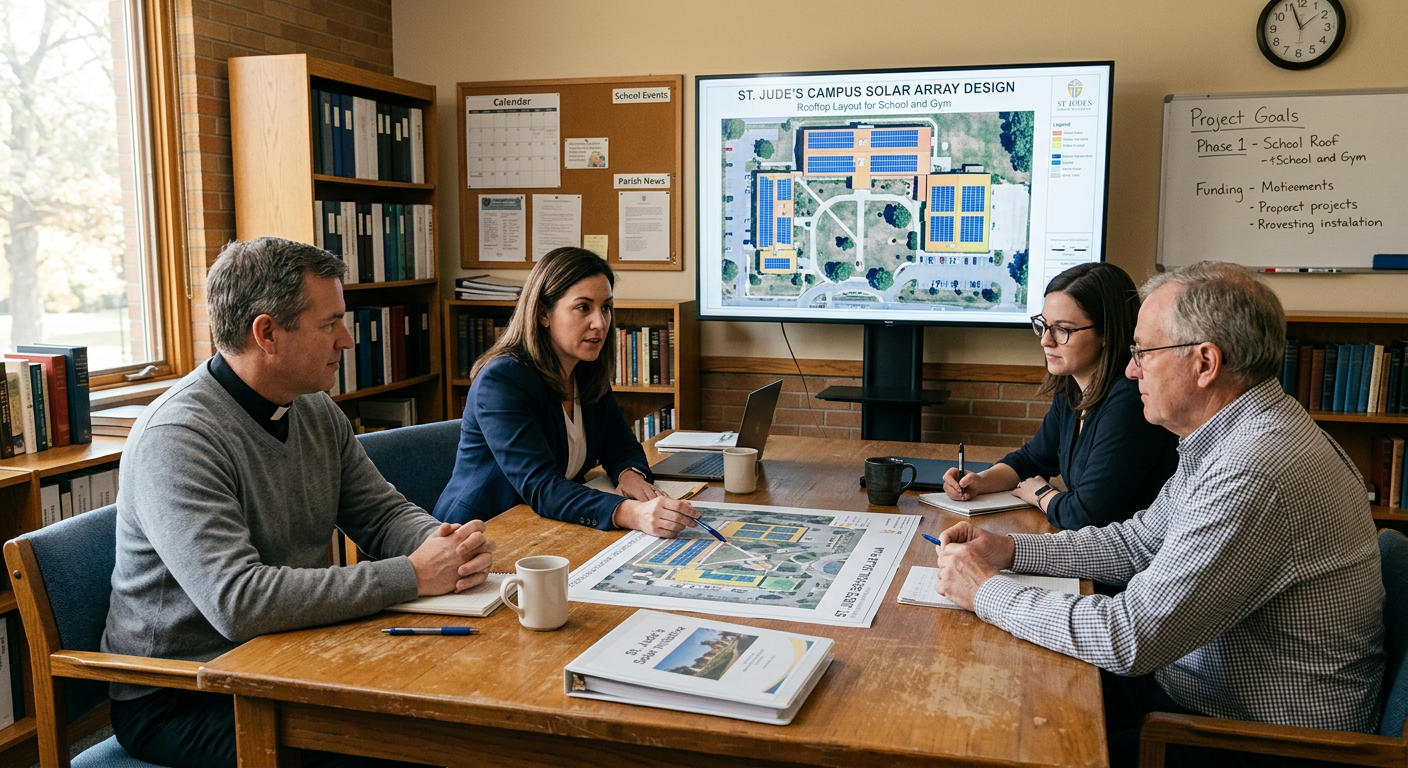
This is where a commercial installer matters. A reliable partner will evaluate roof age, available acreage, utility interconnection, and long-term service needs before recommending one path over the other. If you are evaluating partners, review their track record on the Independent Solar reviews page to see how they handle communication and install quality.
3. Maintenance, Access, And Long-Term Reliability
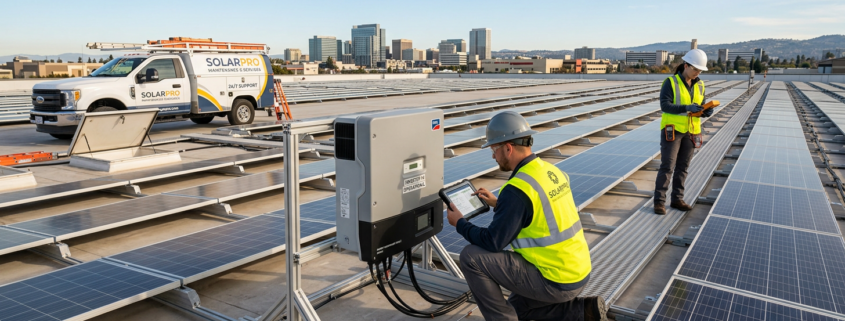
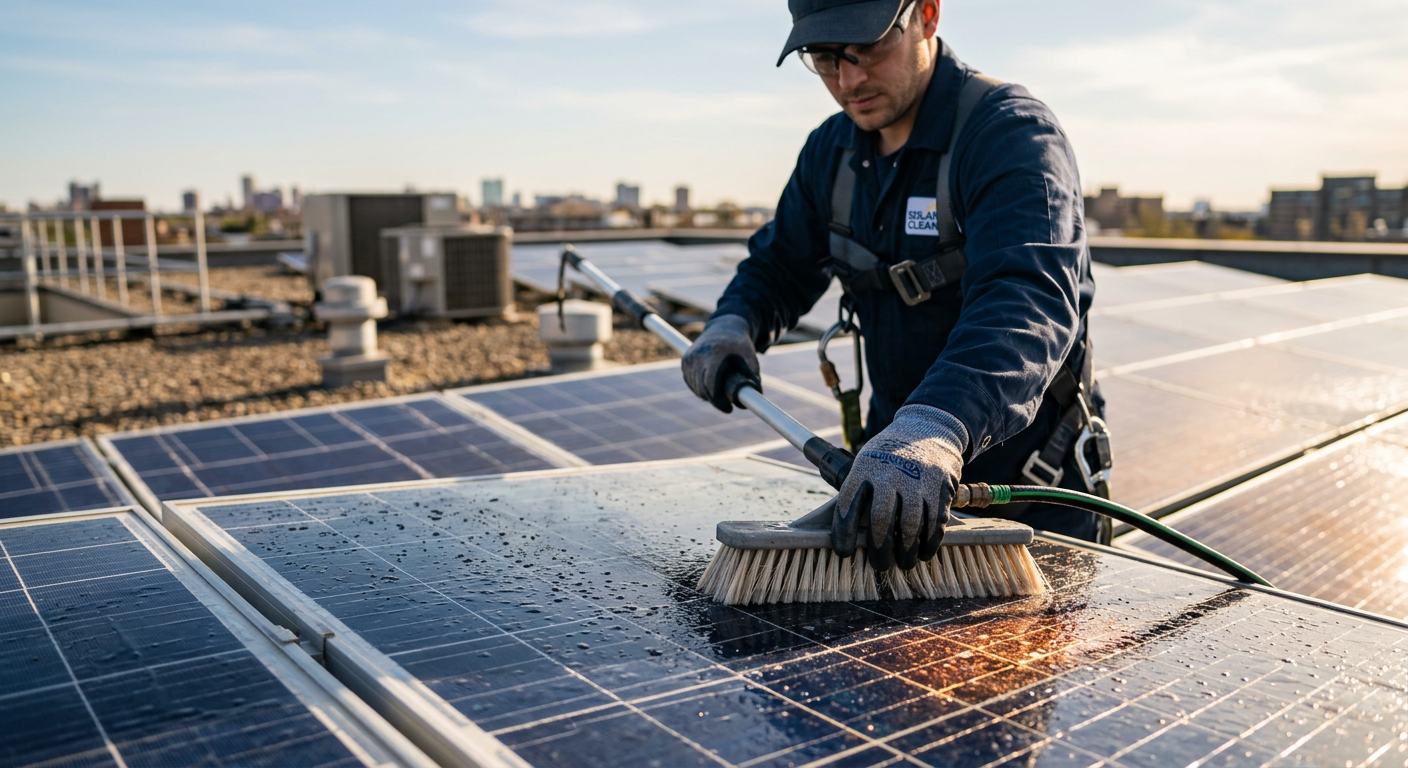
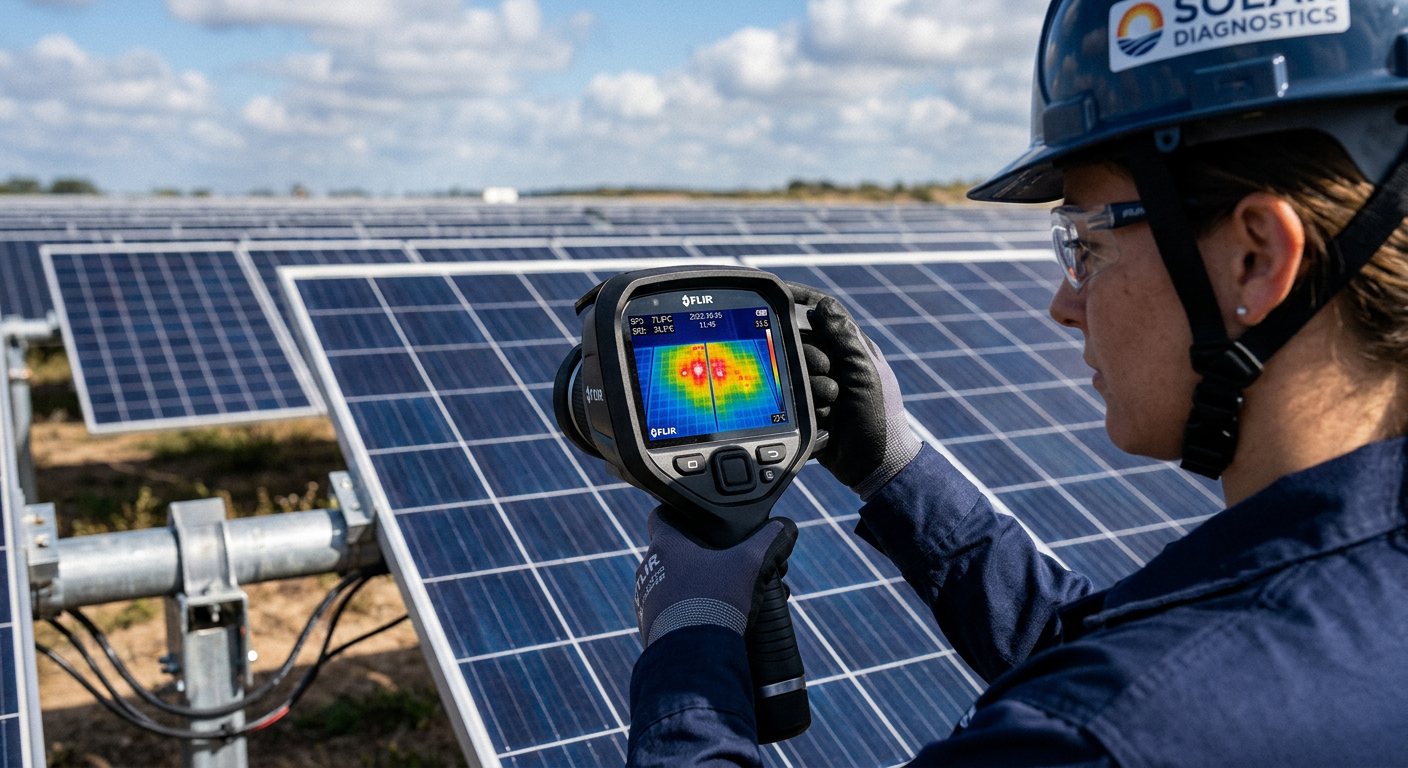
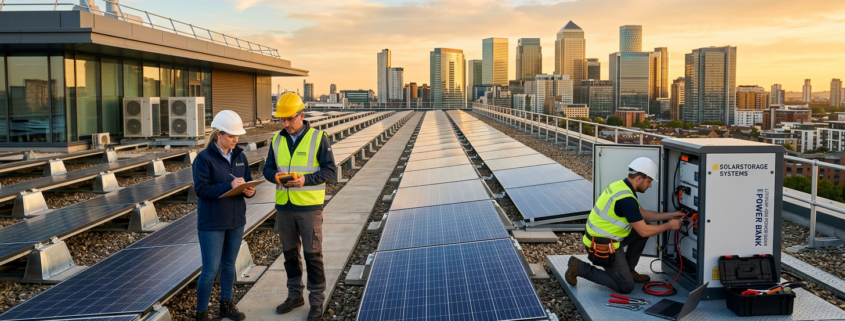
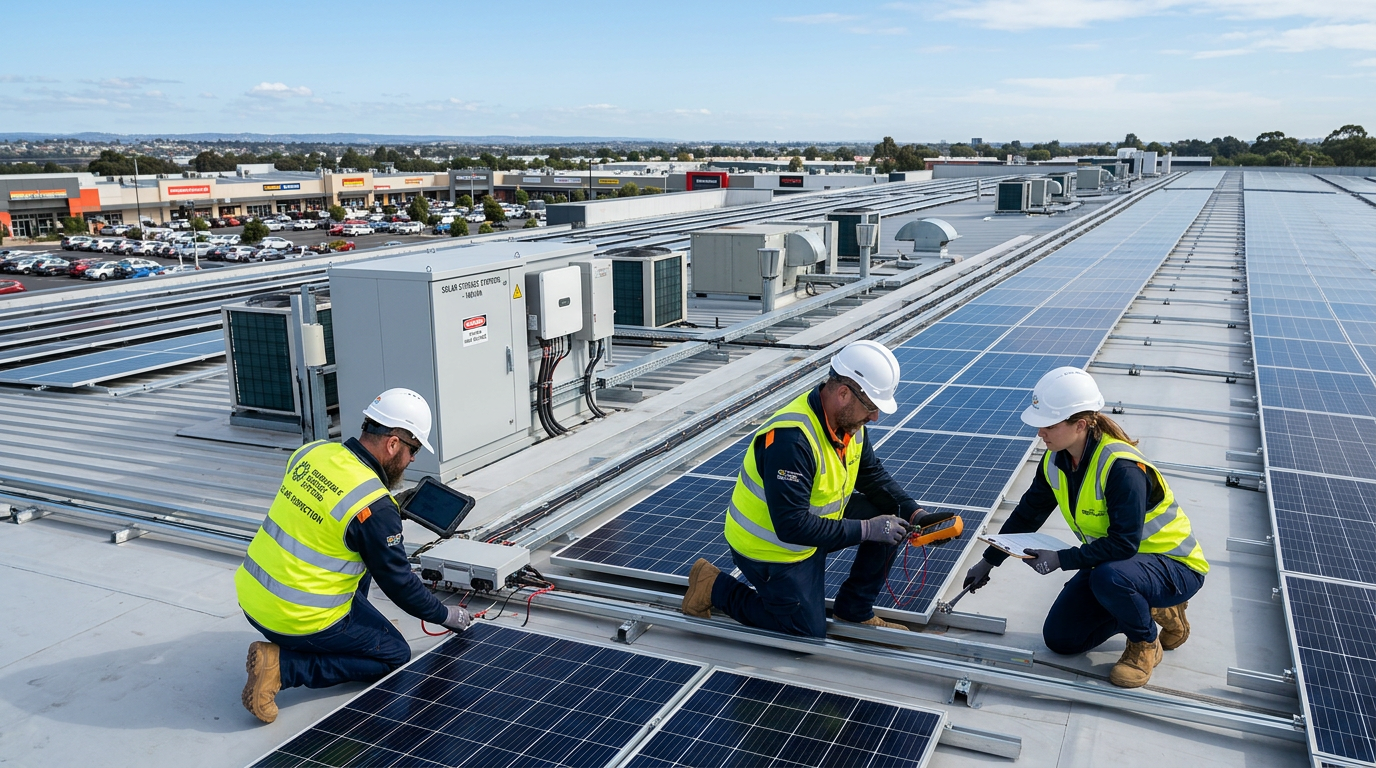
Ground-mounted systems are typically easier to inspect, clean, and repair. That can reduce service friction over the life of the project, especially for larger commercial arrays.
Rooftop systems can still be highly reliable, but access is more dependent on roof design, safety requirements, and building operations. If the roof is hard to reach or the facility is sensitive to disruptions, maintenance planning becomes more important.
For channel partners, this is a strong selling point. When you can show a client that the system is designed for low-friction service, you build more confidence. That is one reason dependable support matters when you choose to Become a Dealer.
4. Roof Condition Vs Available Land
This is the biggest deciding factor in many projects. If the roof is relatively new, structurally sound, and unshaded, rooftop solar can be efficient and cost-effective.
If the roof is nearing replacement, packed with rooftop equipment, or simply too small for the target system size, ground mount solar may be the better investment. The same is true if the property has open land that is not being used productively.
Commercial property owners in Arizona, Nevada, and Texas often have strong solar potential either way. The best choice depends on property type, utility rates, and how the site will be used over the next 10 to 25 years.
5. Expansion Potential For Growing Businesses
Ground mount solar is usually easier to expand. If a business expects growth, new buildings, or rising energy demand, that flexibility can be a major advantage.
Rooftop systems can also expand, but only if there is usable roof space and remaining structural capacity. In many cases, the roof becomes the limiting factor before the business reaches its long-term energy goals.
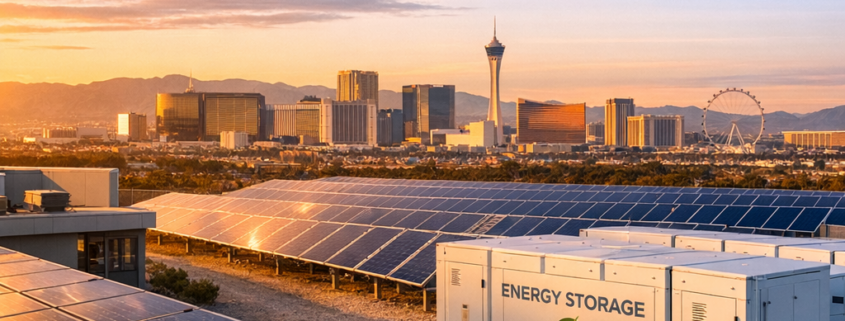
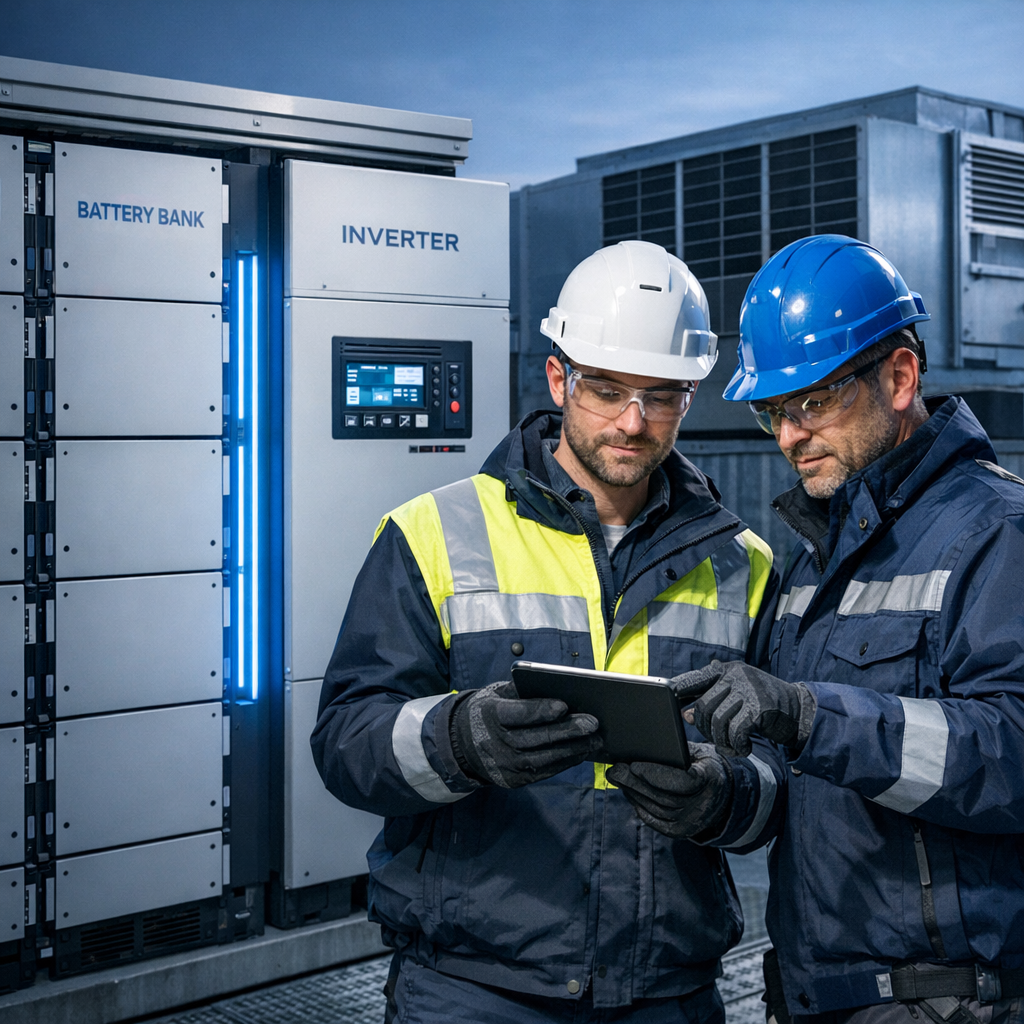
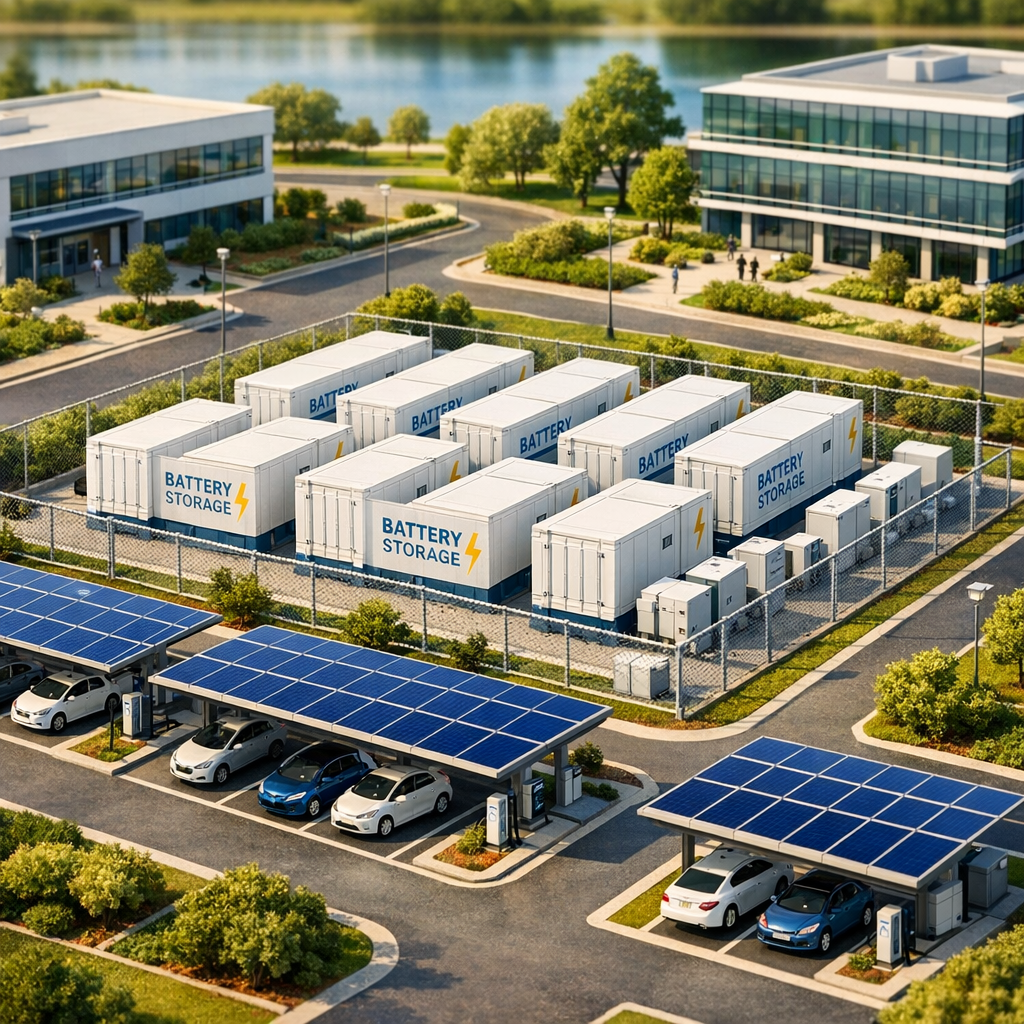
For dealer partners, this creates a stronger value conversation. Instead of selling one system and moving on, you can position solar as part of a broader energy strategy, including battery storage and future capacity planning.
6. Visual Impact And Property Use
Rooftop solar is often the quieter option visually. It preserves ground space and keeps the system out of the way. That can be helpful for businesses that want a clean property profile.
Ground mount solar is more visible, but it can also be easier to organize and protect. On campuses and larger commercial sites, that visibility can actually support the brand story, especially when sustainability and operational efficiency are part of the message.
If the site needs outdoor space for parking, operations, deliveries, or landscaping, rooftop may preserve more usable land. If the land is underused, a ground mount system may turn dead space into long-term value.
7. Which Option Works Best For Dealers And Partners?
If you are a sales rep or channel partner, the right answer is the one that helps you win trust and close cleanly. That means working with a solar company that explains tradeoffs clearly, supports the sale professionally, and delivers installs that protect your reputation.
Independent Solar is built for that kind of partnership. Their commercial-grade approach, support structure, and dealer-friendly model make it easier to represent the brand with confidence. If you want a partnership that helps you grow, consider applying through the Become a Dealer application form.
For clients comparing ground mount solar vs rooftop, the strongest recommendation is usually site-specific, not generic. A trustworthy installer should walk through roof age, land availability, load requirements, maintenance access, and production goals before making a final call.
FAQ
Is ground mount solar always better than rooftop solar?
No. Ground mount solar is often better for flexibility and maintenance, but rooftop solar can be the smarter choice when the building has a strong roof, limited land, and good sun exposure.
Which option is usually cheaper?
It depends on the site. Rooftop systems can avoid land prep, while ground mounts may require more site work. The best answer comes from a full site evaluation.
Does rooftop solar damage the roof?
A properly designed and installed system should not damage the roof. That said, roof condition matters, which is why older roofs should be evaluated before installation.
Can a business add battery storage to either system?
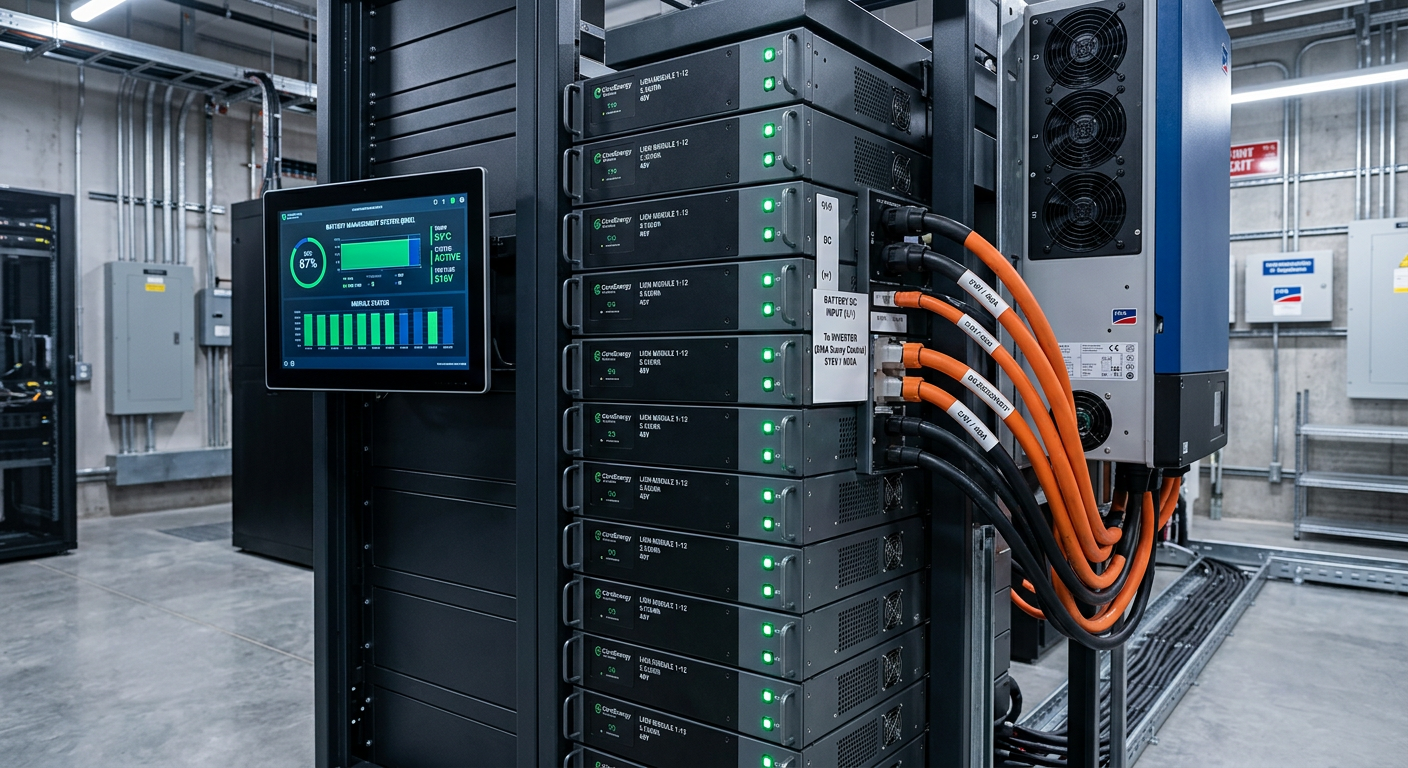
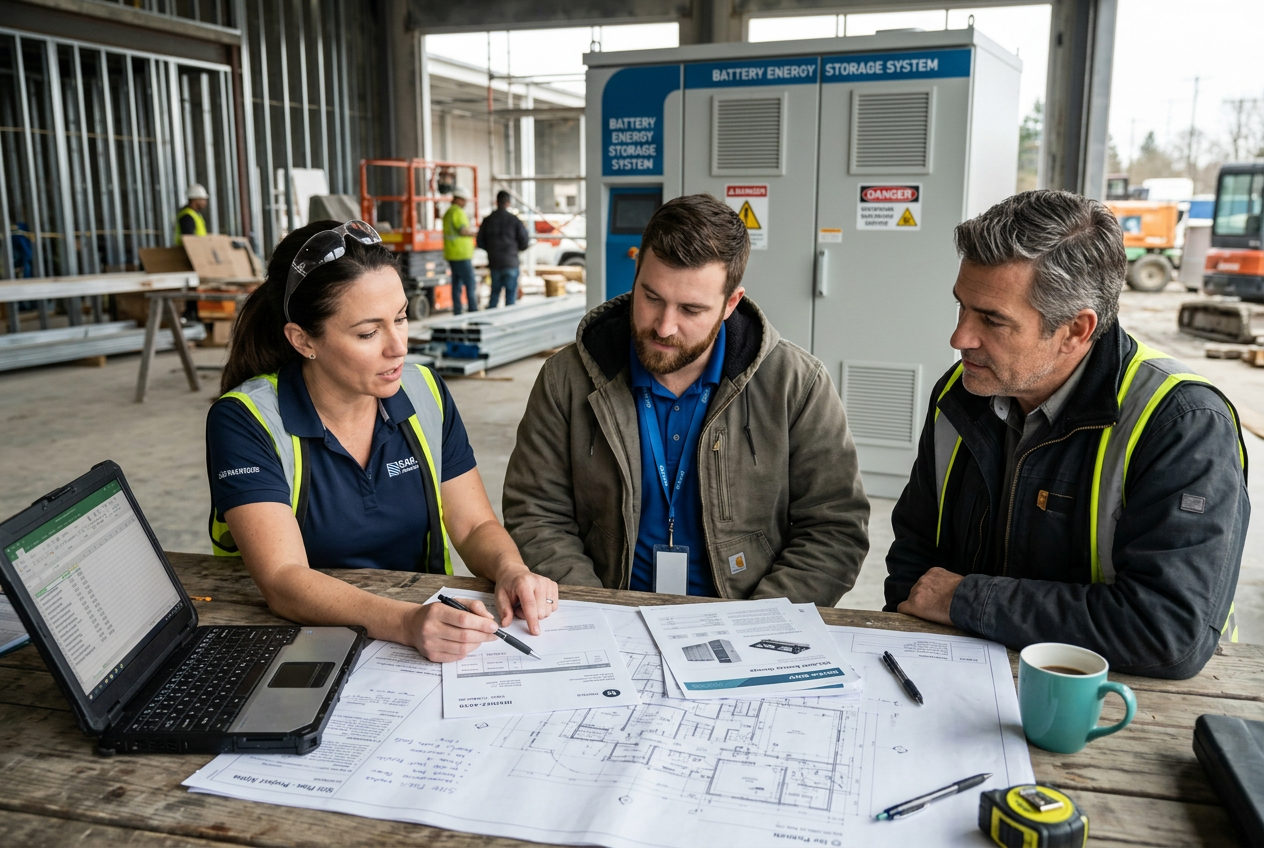
Yes. Battery storage can pair with both ground mount and rooftop solar to support backup power, load shifting, and demand management.
Which option is easier to maintain?
Ground mount systems are usually easier to access and service because technicians do not have to work on the roof.
What should dealers focus on when selling solar?
Focus on site fit, system performance, installer reputation, and long-term support. Buyers care about reliability as much as savings.
Why Reputation Matters In Solar Partnerships
Commercial buyers and dealer partners are not just buying panels, they are buying confidence. A solar company with strong reviews, clear communication, and dependable service makes the entire sale easier.
That is why reputation should be part of every project conversation. Before you recommend a provider, check their service standards, installation quality, and customer feedback. A reliable partner helps you protect your client relationship and your own brand.
Get A Smarter Solar Partnership
If you are comparing rooftop and ground-mounted projects, or if you want a stronger partner for commercial solar sales, Independent Solar can help. Their team supports businesses, property owners, and dealer partners with practical guidance, commercial-grade installs, and long-term reliability.
Ready to grow your business with a trusted solar partner? Start here: Become a Dealer. You can also review their customer feedback on the reviews page before you move forward.
Conclusion
When it comes to ground mount solar vs rooftop, there is no one-size-fits-all answer. Rooftop systems are efficient when the building is ready, while ground mounts offer more flexibility, easier maintenance, and better expansion potential.
For B2B buyers and channel partners, the best choice is the one that fits the site, supports long-term performance, and comes from an installer you can trust. That is how you protect ROI, reputation, and future growth.

 Arizona: