
Pros and Cons of Going Solar: The Good, the Bad, and the Green
Introduction
Solar energy is a renewable resource that uses the sun’s power to generate electricity. As the world deals with climate change, using solar energy is crucial for reaching sustainability goals. Solar panels in Phoenix and beyond convert sunlight into electricity without releasing harmful emissions, making it an environmentally friendly alternative to fossil fuels.
Understanding the pros and cons of going solar is essential for making informed decisions about this clean energy technology. This article provides a comprehensive overview to help you weigh your options effectively when considering solar panel installs, whether for residential or commercial solar panel systems.
Understanding Solar Energy Systems
Types of Solar Power Systems
When considering solar power systems, it’s essential to understand the different types available:
- Grid-Tied Systems: These systems are connected to the public electricity grid. They allow you to draw power from the grid when your solar panels aren’t producing enough electricity and send excess power back to the grid, often earning you credits through net metering. Many Phoenix solar panel systems are designed with this type of setup.
- Off-Grid Systems: Completely independent of the public grid, these systems rely on batteries to store energy generated by solar panels. Ideal for remote locations, off-grid systems provide full energy autonomy but require substantial battery storage capacity. Off-grid solutions can be custom-designed for both homes and commercial solar needs.
- Hybrid Systems: Combining elements of both grid-tied and off-grid systems, hybrids use battery storage while remaining connected to the public grid. This setup offers flexibility, ensuring a reliable power supply even during grid outages or low sunlight periods.
How Solar Energy Works
Understanding how solar energy works can demystify the technology:
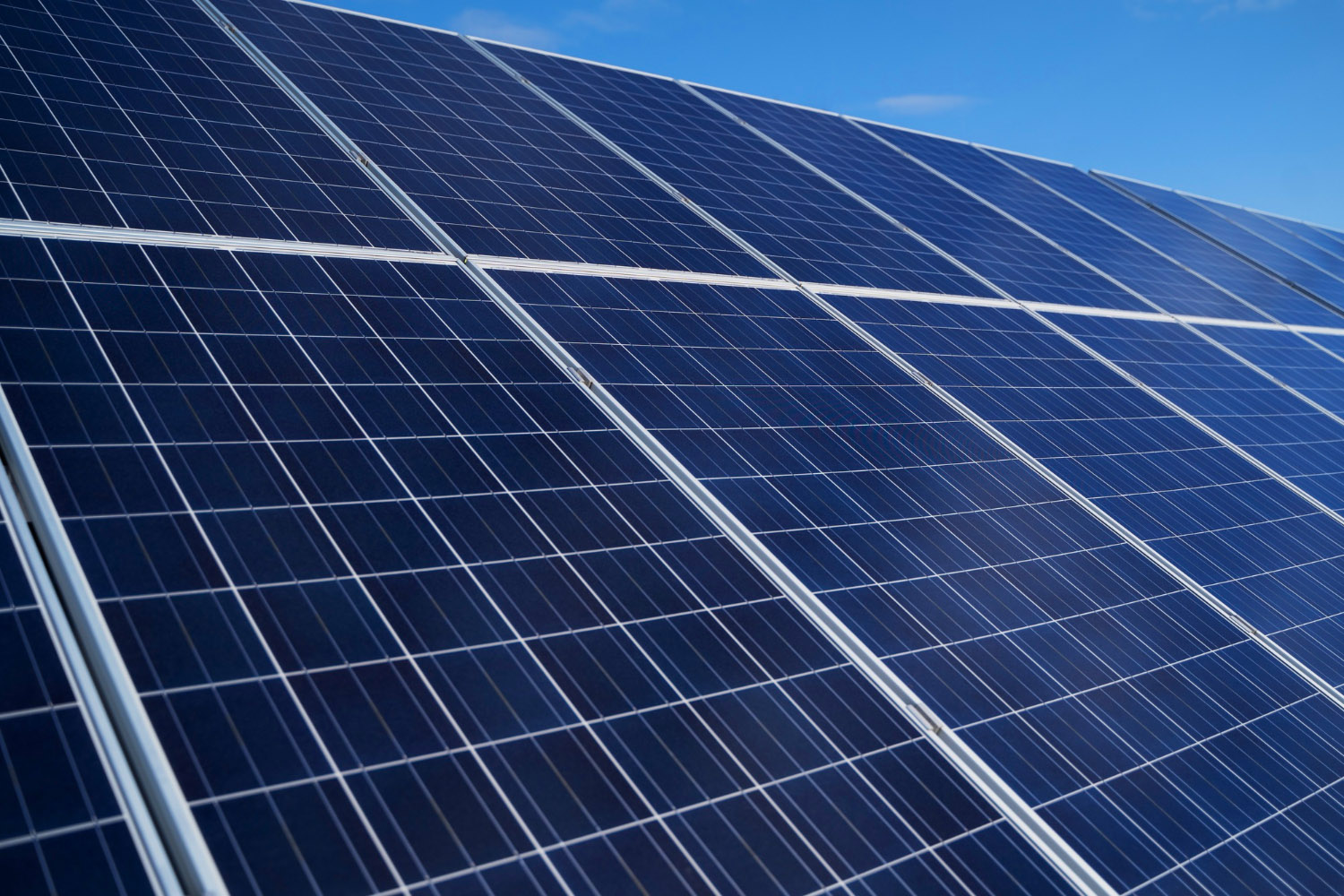
- Photovoltaic Effect: Solar panels, like those offered by a leading solar company in Phoenix, are made up of photovoltaic (PV) cells, which convert sunlight into direct current (DC) electricity through a process known as the photovoltaic effect. These cells are typically made from silicon and generate electricity when exposed to sunlight.
- Inverter Function: The DC electricity generated by PV cells isn’t directly usable in most homes or businesses, which operate on alternating current (AC). An inverter converts DC into AC, making it compatible with standard electrical systems.
- Energy Flow: Once converted to AC, the electricity can be used immediately within your home or business. Any excess can be stored in batteries (in off-grid or hybrid systems) or sent back to the grid (in grid-tied systems), depending on your setup.
By understanding these basics, you can appreciate how solar energy integrates into daily life and supports sustainable energy practices, whether you are considering a commercial solar panel system or a residential solar panel install.
The Pros of Going Solar
1. Financial Savings Through Solar Power
- Reduction in Electricity Bills: One of the most compelling benefits of solar energy is the potential for significant financial savings. Homeowners and businesses alike can reduce or even eliminate their electricity bills with solar panel systems. Over time, these savings add up, making solar energy an economically wise choice. Many commercial solar panel systems provide substantial returns on investment through energy savings and operational efficiency.
- Installation Costs and Financial Incentives: While the initial installation costs for solar panels can be high, various financial incentives are available to offset these expenses. Federal tax credits, such as the Investment Tax Credit (ITC), allow you to deduct a percentage of your solar installation costs from your federal taxes. Additionally, many states offer rebates and local incentives that further reduce the overall expenditure for both residential and commercial solar systems.
- Net Metering Policy: Net metering is a policy that allows homeowners and commercial solar customers to earn credits for excess electricity generated by their solar panels and fed back into the grid. This system enables you to offset the cost of power drawn from the utility during periods when your solar system isn’t producing enough electricity, such as at night or on cloudy days.
2. Environmental Benefits of Solar Energy Adoption
Adopting solar energy brings significant environmental benefits, making it a sustainable alternative to conventional power sources. By reducing reliance on fossil fuels, solar power helps lower greenhouse gas emissions, a major contributor to global warming.
- Greenhouse Gases Reduction: Solar energy systems significantly cut down on the amount of carbon dioxide and other harmful emissions released into the environment, especially when adopting commercial solar panels that power entire businesses.
- Zero Emissions: During operation, solar panels do not emit any pollutants, unlike traditional fossil fuel-based power plants. This means adopting solar power can significantly improve air quality, which has direct health benefits for communities.
3. Enhancing Energy Independence and Sustainability with Solar Technology
- Energy Independence: Distributed solar generation plays a crucial role in reducing dependence on centralized, fossil fuel-based grids. By installing solar panels on your property, whether in a commercial or residential setting, you can produce your own electricity, thereby decreasing reliance on utility companies and conventional energy sources. This decentralized approach fosters energy independence and enhances resilience against power outages.
- Sustainability: Harnessing sunlight—a renewable and abundant resource—offers long-term sustainability benefits. Unlike finite fossil fuels, solar energy provides a continuous supply of clean power. The absence of fuel costs contributes to the financial stability of solar energy systems, aligning with broader sustainability goals. Best commercial solar panels are also optimized for efficiency and long-term sustainability.
The Cons of Going Solar
1. High Upfront Costs: A Barrier to Entry for Many Homeowners?
The initial investment required for purchasing and installing residential or commercial solar systems can be daunting. Installation costs often run into the tens of thousands of dollars, making it a significant financial hurdle for many households and businesses alike.
- Cost Breakdown: The total cost encompasses not just the solar panels themselves, but also inverters, mounting hardware, and labor. On average, a residential solar panel system might cost between $15,000 and $25,000 before any incentives or rebates. The costs for commercial solar panel systems can be even higher depending on the scale and energy requirements.
- Financial Barriers: For families and businesses with limited access to upfront capital, this expense can seem insurmountable. While financing options are available, such as loans and leases, they still require a level of financial stability that not all households or businesses possess.
2. Intermittency Issues: Dealing with Fluctuating Energy Production from Solar Panels
- Weather Variability: Cloudy days or heavy rain reduce the amount of sunlight hitting the panels, leading to decreased electricity generation. Commercial solar systems are more susceptible to this challenge when operating in regions with variable weather conditions.
- Time-of-Day Cycles: Solar panels do not produce electricity at night, necessitating alternate power sources or storage solutions during these periods. This intermittency issue can be addressed with battery storage solutions, though this adds to the cost of installation, especially for commercial solar systems.
The Bigger Picture: Social Impacts and Future Outlook for Solar Power Adoption Globally
Large-scale deployment of solar technologies brings significant social implications. Communities across the world witness a shift in job markets, with a rise in employment opportunities within the renewable energy sector. Skilled labor for installing and maintaining solar panel installs becomes increasingly vital.
However, there are challenges too:
- Equity Concerns: While affluent communities can afford initial investments in solar technology, economically disadvantaged areas might lag. Policy support can help bridge this gap by making solar energy more accessible to all.
- Land Use Conflicts: Large solar farms may lead to disputes over land allocation, particularly in densely populated or agricultural regions. Commercial solar companies are working to mitigate these concerns by exploring innovative solutions that minimize land-use impact.
Frequently Asked Questions
[sp_easyaccordion id=”5330″]

 Arizona:
