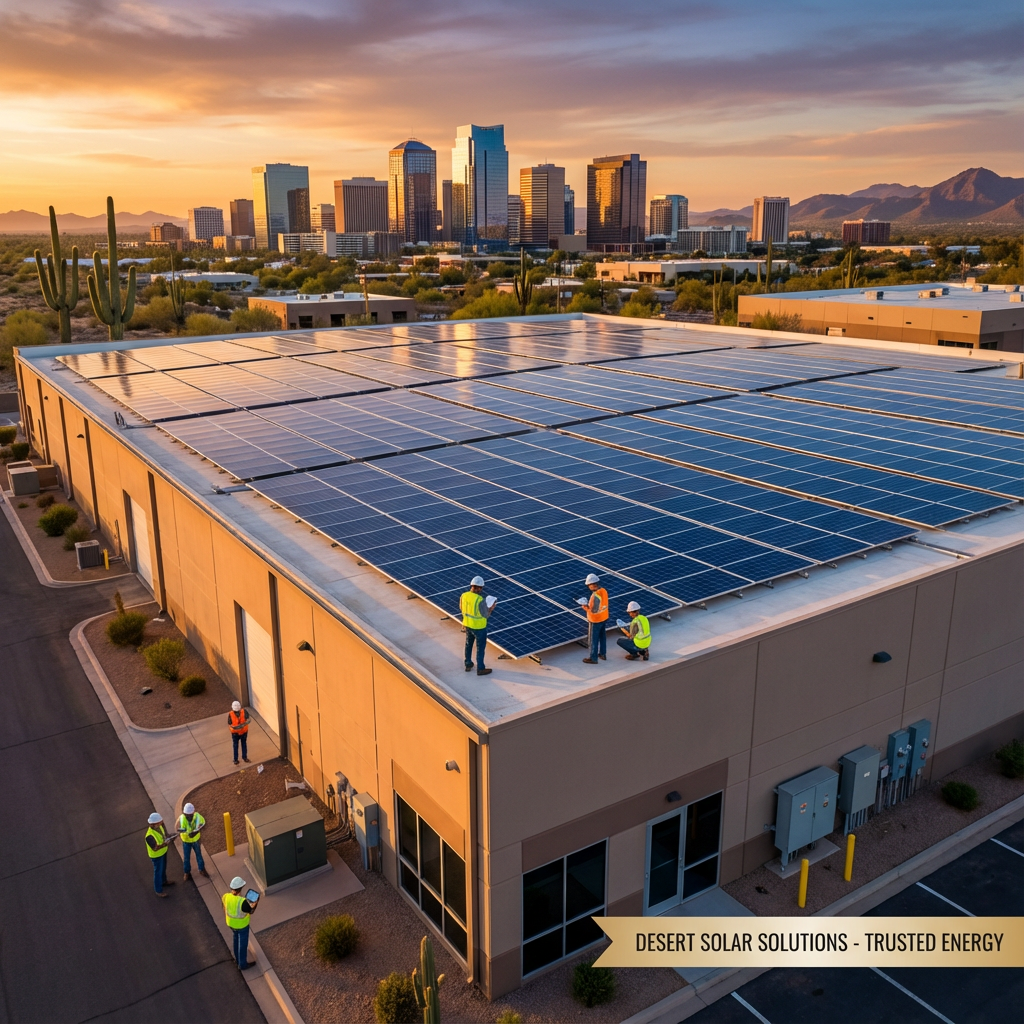
Keeping a commercial solar system reliable and cost-effective takes planning, but the good news is maintenance costs in Arizona are predictable and often far lower than the savings the system delivers. In this guide you will find practical cost ranges, line-item maintenance tasks, ways to lower ongoing expenses, and what dealers or sales reps should know when presenting a proposal to a commercial client.
In Arizona especially, sun exposure and dust change maintenance needs, so understanding local factors up front matters. Below I highlight common recurring costs, one-time fixes, battery-specific maintenance, and how partnering with a dependable installer can reduce surprises. Bold text here helps focus key search terms, for example, commercial solar maintenance costs arizona appear where buyers look for straight answers.
How commercial solar maintenance is typically priced in Arizona
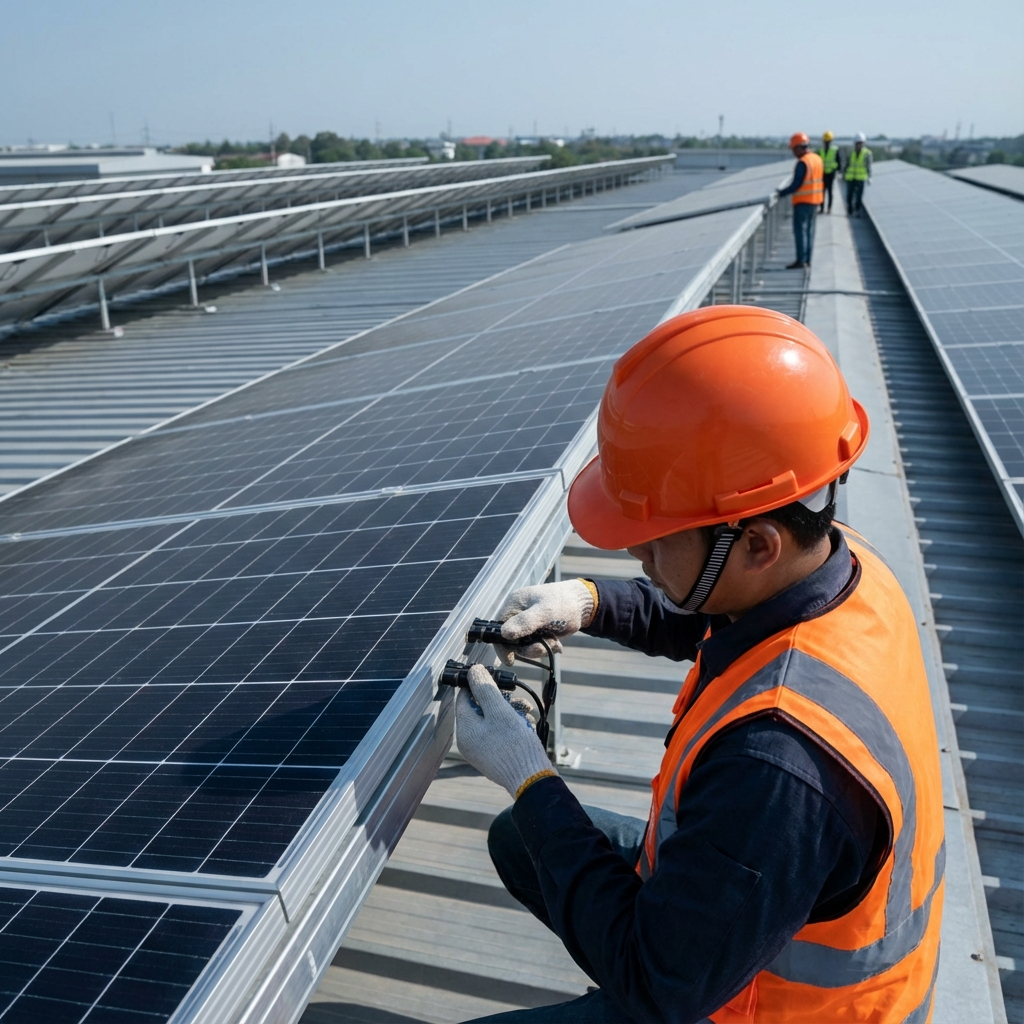
Commercial solar maintenance pricing usually falls into three categories: annual preventive maintenance contracts, per-visit service calls, and major repairs or replacements. Typical line items include panel cleaning, electrical checks, inverter service, mounting hardware inspection, vegetation control for ground-mount systems, and monitoring platform subscriptions.
- Annual preventive maintenance contract, small to mid-size system, typical range, $0.50 to $2.50 per watt per year, depending on system complexity and site access. This covers inspection, basic cleaning, and monitoring review.
- Per-visit service call, troubleshooting or repairs, typically $150 to $500 for labor and truck roll in metro Phoenix, up to $1,000 or more for after-hours or emergency responses.
- Major component replacement, inverters typically last 8 to 15 years, battery systems vary, inverter replacement can run $2,000 to $15,000 for commercial-scale inverters, depending on capacity and brand.
Remember, these are ranges and depend on array size, roof access, array tilt, dust exposure, and whether battery storage or critical load backup systems are present.
Local factors in Arizona that affect costs
Dust and monsoon season
Arizona’s dust and monsoon seasons increase cleaning frequency. Panels covered in dust or pollen produce less power, so many commercial clients schedule two to four cleanings per year. Increasing cleaning frequency raises costs, but also preserves production and revenue.
Roof type and access
Flat roofs with easy access are cheaper to service than sloped or membrane roofs that need special safety equipment. Rooftop penetrations, rooftop HVAC congestion, and tenant access policy all affect labor hours.
Utility rate structure, demand charges
Businesses facing demand charges especially benefit from well-maintained systems and battery integration. Proper maintenance ensures systems operate predictably during peak demand windows, indirectly lowering utility costs.
Battery storage and additional system costs
Battery systems have separate maintenance and warranty considerations. Expect periodic firmware updates, thermal management checks, and inverter-battery interface inspections. Battery lifespan depends on chemistry and cycling, commonly warrantied for 5 to 15 years. Maintenance contracts that include battery health checks are recommended for commercial customers looking to protect backup power and peak shaving capabilities.
Ways to reduce long-term maintenance spend
- Sign multi-year maintenance contracts with performance guarantees, for predictable budgeting.
- Use remote monitoring and automated alerts to detect performance drops early, minimizing truck rolls.
- Bundle services with your installer for volume discounts, especially across multiple sites.
- Prioritize high-quality components up front, because premium inverters and racking reduce replacement frequency.
Why dealer partners should emphasize maintenance transparency
Sales reps and channel partners win more bids when they clearly show lifecycle costs, not just installation price. Break out expected O&M costs over 10 years, show payback scenarios including avoided utility expenses, and highlight warranty coverage. Independent Solar supports dealers with detailed proposals, service-level commitments, and ongoing support to protect reputation and close deals. Become a Dealer With Independent Solar to access consistent support and transparent commissions, apply at https://independentsolar.com/application-form/.
Sample 10-year maintenance cost breakdown (example)
This simplified example for a 200 kW rooftop system in Phoenix illustrates total expected maintenance and spare part budgeting across 10 years:
- Preventive maintenance contract (annual), $0.75/W-year = $15,000 per year, $150,000 over 10 years.
- Inverter replacement once in 10 years (mid-life), budget $20,000.
- Panel cleaning (additional as-needed), $5,000 total across 10 years.
- Monitoring subscription and minor repairs, $10,000.
- Contingency for storm or major repair, $10,000.
Estimated 10-year O&M plus replacements, roughly $205,000, or about $1.02/W across the decade. Individual projects will vary, and many systems perform better with strong monitoring and responsive service.
Choosing the right maintenance partner
When evaluating installers and service providers, look for: clear SLAs, documented inspection checklists, online monitoring with alerting, local field technicians, and transparent pricing. Independent Solar offers dealer-friendly support, commercial-grade service, and a track record that helps sales reps close with confidence. Review real customer feedback at https://independentsolar.com/reviews/.
Frequently asked questions
What is the single biggest ongoing cost for commercial solar in Arizona
Panel cleaning and inverter maintenance combine to be the most common recurring expenses, because dust reduces output and inverters need firmware and heat management checks.
How often should a commercial array be inspected in Arizona
At minimum once a year for a basic inspection, two to four times annually for cleaning and performance checks in dusty or high-production sites.
Are maintenance costs tax deductible for businesses
Often O&M expenses are deductible as operating expenses, while major replacements may be capitalized. Businesses should consult a tax professional for precise treatment and to coordinate with ITC rules.
Does battery storage increase maintenance complexity significantly
Yes, batteries add firmware updates, thermal management, and capacity checks, but they also unlock savings from demand charge reduction and backup power, often justifying the additional maintenance.
How does signing a dealer agreement help lower costs for my customers
Dealer programs that include standardized service offerings, volume discounts, and bundled maintenance reduce per-site costs. Join Independent Solar’s dealer program to access predictable support and transparent commissions at https://independentsolar.com/application-form/.
What warranties should I insist on
Look for panel performance warranties of 25 years, inverter warranties at least 5 to 12 years, and battery manufacturer warranties that specify cycle life. Ensure the service partner will manage claims.
How can monitoring reduce O&M costs
Remote monitoring detects underperformance early, allowing targeted interventions and fewer emergency truck rolls, reducing labor and downtime costs.
Next steps for dealers and commercial owners
If you sell solar or manage commercial properties in Arizona, include realistic maintenance line items in your proposals, and offer clients predictable service agreements. Independent Solar supports dealers with training, parts access, and a dealer onboarding process built around reliability and reputation. Become a dealer and grow your business with confidence, apply today at https://independentsolar.com/application-form/.
Trusted proof and reputation
Independent Solar collects customer feedback and posts verified reviews to demonstrate long-term reliability and satisfaction, see the company’s reviews at https://independentsolar.com/reviews/. Use social proof in proposals to reassure commercial buyers who value vendor stability and post-install support.
Wrap-up
Commercial solar maintenance costs in Arizona are manageable when you account for dust, monsoon impacts, inverter lifecycles, and battery needs. Present clear 10-year cost scenarios to building owners, bundle monitoring and maintenance, and partner with a dealer-focused installer to protect margins and reputation. If you want a repeatable maintenance-first offering for your clients, apply to become a dealer today at https://independentsolar.com/application-form/ and review customer feedback at https://independentsolar.com/reviews/.